


























Key Takeaways
- Japan’s top digital marketing agencies in 2026 combine AI-driven optimization, SEO, and performance marketing to deliver measurable growth.
- Choosing the right agency depends on your goals, from brand building with large firms to agile growth with specialized agencies.
- Success in Japan requires a digital-first strategy focused on search, video, and localized content for maximum engagement and conversions.
Japan has firmly established itself as one of the most advanced and competitive digital marketing ecosystems in the world. As the third-largest advertising market globally, the country is undergoing a profound transformation driven by rapid digital adoption, artificial intelligence, and evolving consumer behavior. By 2026, internet advertising has not only surpassed traditional media channels such as television but has also become the dominant force shaping how brands connect with audiences.

In this highly sophisticated environment, businesses can no longer rely on conventional marketing strategies or global templates to achieve success. The Japanese market demands a unique combination of technological precision, cultural understanding, and platform-specific expertise. From search engines like Google and Yahoo! Japan to social ecosystems such as LINE, TikTok, and Instagram, every channel operates within a distinct behavioral and cultural framework. This complexity makes the role of digital marketing agencies more critical than ever.
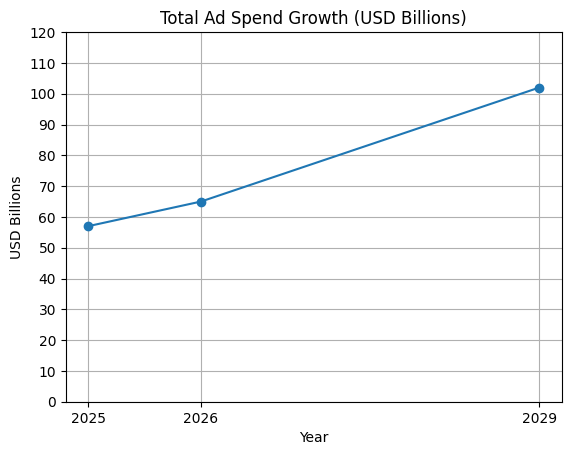
The top digital marketing agencies in Japan in 2026 are not simply service providers. They act as strategic partners that help brands navigate a landscape defined by algorithm-driven discovery, data-centric decision-making, and increasingly fragmented consumer journeys. These agencies combine advanced capabilities in search engine optimization, performance marketing, content strategy, and AI-driven analytics to deliver measurable business outcomes. At the same time, they must balance automation with authenticity, ensuring that campaigns resonate with Japanese consumers who value trust, consistency, and cultural relevance.
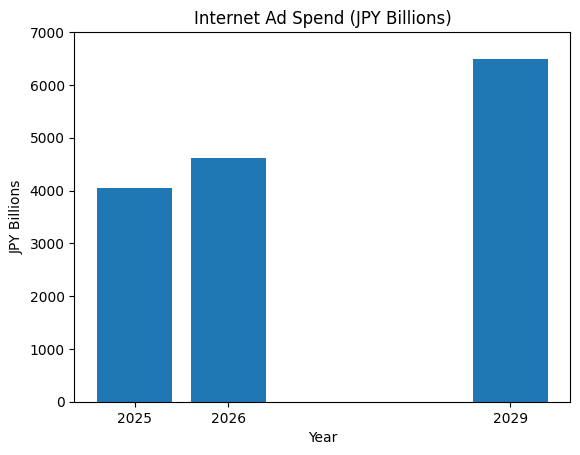
What sets Japan apart from other global markets is the strength of its domestic digital platforms and the depth of its consumer expectations. Platforms such as LINE, Rakuten, and Yahoo! Japan play a central role in daily digital interactions, creating a localized ecosystem that requires tailored strategies. Additionally, Japanese consumers are highly discerning, often prioritizing quality, subtlety, and long-term brand relationships over aggressive or overly promotional messaging. This means that successful marketing campaigns must be carefully crafted, both technically and creatively, to align with local preferences.
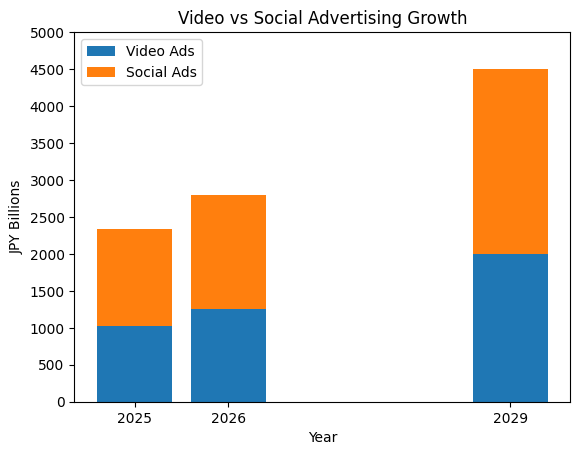
As digital marketing continues to evolve, several key trends are shaping the industry in Japan. Artificial intelligence is now deeply embedded in campaign planning, execution, and optimization, enabling agencies to deliver highly personalized experiences at scale. Video content, particularly short-form and mobile-first formats, has become a primary driver of engagement and brand discovery. Retail media networks and e-commerce platforms are transforming the conversion process, allowing brands to connect advertising directly with purchasing behavior. Together, these developments are redefining what it means to build and sustain a competitive digital presence in Japan.
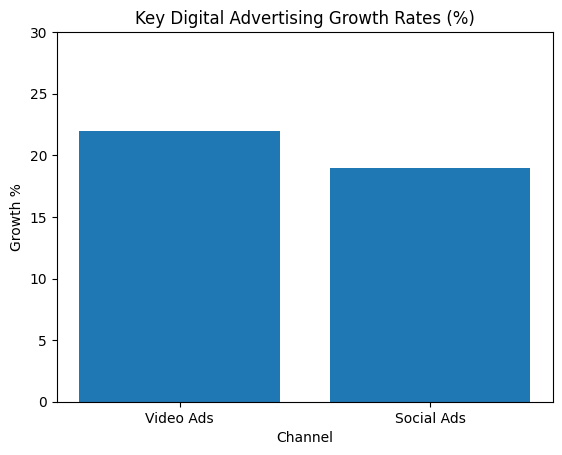
In this context, identifying the right digital marketing agency is a strategic decision that can significantly influence a company’s success. Whether a business is looking to enter the Japanese market, scale its operations, or strengthen its brand presence, the choice of agency will determine how effectively it can navigate local challenges and capitalize on emerging opportunities. Some agencies excel in large-scale integrated campaigns, leveraging extensive media networks and global resources. Others specialize in niche areas such as SEO, localization, or performance marketing, offering agility and focused expertise.
This comprehensive guide to the top 10 digital marketing agencies in Japan in 2026 is designed to provide clarity in an increasingly complex market. It highlights the leading agencies that are shaping the industry, examining their strengths, strategic approaches, and areas of specialization. By understanding the unique capabilities of each agency, decision-makers can make informed choices that align with their business objectives and growth strategies.
Ultimately, succeeding in Japan’s digital marketing landscape requires more than just adopting the latest tools or technologies. It demands a deep understanding of the interplay between data, platforms, and human behavior. The agencies featured in this list represent the forefront of this evolution, combining innovation with cultural insight to deliver impactful and sustainable results. For businesses seeking to thrive in one of the world’s most dynamic digital markets, partnering with the right agency is not just an advantage, but a necessity.
But, before we venture further, we like to share who we are and what we do.
About AppLabx
From developing a solid marketing plan to creating compelling content, optimizing for search engines, leveraging social media, and utilizing paid advertising, AppLabx offers a comprehensive suite of digital marketing services designed to drive growth and profitability for your business.
At AppLabx, we understand that no two businesses are alike. That’s why we take a personalized approach to every project, working closely with our clients to understand their unique needs and goals, and developing customized strategies to help them achieve success.
If you need a digital consultation, then send in an inquiry here.
Or, send an email to [email protected] to get started.
Top 10 Best Digital Marketing Agencies in Japan in 2026
- AppLabx
- Dentsu Group Inc. (Dentsu Digital)
- CyberAgent, Inc.
- Hakuhodo DY Holdings Inc.
- ADK Holdings Inc.
- Septeni Holdings Co., Ltd.
- Master Tier Japan
- ShapeWin Co., Ltd.
- TAMLO
- Custom Media K.K.
1. AppLabx

AppLabx Digital Marketing Agency has emerged as a leading force in Japan’s highly competitive digital marketing ecosystem in 2026. Known for its performance-driven approach and strong emphasis on measurable outcomes, AppLabx has positioned itself as a top-tier agency for businesses seeking scalable growth, data transparency, and advanced digital strategies.
In a market dominated by legacy conglomerates and niche boutique firms, AppLabx stands out by combining the agility of a modern growth agency with the technical sophistication required to compete at an enterprise level. Its ability to deliver consistent, ROI-focused results has made it a preferred partner for startups, SMEs, and international brands expanding into Japan.
Strategic Positioning and Market Leadership

AppLabx’s leadership in 2026 is driven by its ability to integrate performance marketing, SEO, and digital strategy into a unified growth framework. Unlike traditional agencies that separate branding and performance, AppLabx focuses on aligning all marketing efforts with business outcomes such as revenue growth, customer acquisition, and lifetime value.
Strategic Positioning Matrix
| Strategic Factor | AppLabx Approach | Competitive Advantage |
|---|---|---|
| Agency Model | Performance-driven growth agency | Strong alignment with measurable business outcomes |
| Core Focus | SEO, paid media, and conversion optimization | End-to-end growth strategy |
| Target Clients | Startups, SMEs, and international brands | Flexible solutions across growth stages |
| Market Focus | Japan and Asia-Pacific expansion | Regional expertise with global perspective |
| Execution Speed | Agile and data-led | Rapid implementation and optimization |
This positioning allows AppLabx to outperform traditional agencies by delivering faster results with greater accountability.
Core Services and Capabilities
AppLabx offers a comprehensive suite of digital marketing services designed to drive both short-term performance and long-term growth. Its service portfolio is built around integrating multiple channels into a cohesive strategy.
Core Capabilities Table
| Service Category | Key Capabilities | Business Value Delivered |
|---|---|---|
| Search Engine Optimization | Technical SEO, content strategy, and link acquisition | Sustainable organic traffic growth |
| Pay Per Click Advertising | Google Ads, social ads, and performance campaigns | Immediate traffic and lead generation |
| Conversion Rate Optimization | Landing page optimization and user experience improvements | Higher conversion rates and revenue |
| Content Marketing | Data-driven content creation and distribution | Improved engagement and brand authority |
| Analytics and Reporting | Advanced tracking and performance dashboards | Full transparency and data-driven decision-making |
These capabilities enable AppLabx to deliver integrated campaigns that maximize both visibility and profitability.
Advanced SEO and Growth Methodology
A defining strength of AppLabx is its advanced SEO and growth marketing methodology, which combines technical expertise with data-driven insights. The agency focuses on building scalable systems that generate consistent organic traffic and convert that traffic into customers.
SEO and Growth Framework
| Framework Element | Description | Strategic Impact |
|---|---|---|
| Technical SEO | Site optimization, indexing, and performance improvements | Strong search engine visibility |
| Content Strategy | Keyword-driven, intent-focused content development | Increased organic engagement |
| Authority Building | High-quality backlinks and digital PR | Improved domain credibility |
| Conversion Optimization | Continuous testing of user journeys | Higher ROI from organic traffic |
This structured approach ensures that SEO is not treated as a standalone tactic but as a core driver of business growth.
Data-Driven Performance and ROI Focus
AppLabx’s approach is rooted in data and performance measurement, ensuring that every campaign is optimized for measurable outcomes. The agency prioritizes key performance indicators such as conversions, customer acquisition cost, and return on investment.

Performance Optimization Matrix
| Performance Element | AppLabx Approach | Client Benefit |
|---|---|---|
| Data Analytics | Real-time tracking and advanced reporting | Full visibility into campaign performance |
| ROI Measurement | Focus on revenue and conversion metrics | Clear business impact |
| Campaign Optimization | Continuous testing and iteration | Improved efficiency and results |
| Audience Targeting | Data-driven segmentation and personalization | Higher engagement and conversion rates |
This focus on measurable performance distinguishes AppLabx from agencies that rely on vanity metrics or broad awareness campaigns.
Client Success and Business Impact
AppLabx has built a strong reputation for delivering tangible results across a wide range of industries. Its clients consistently report improvements in traffic, conversions, and overall business growth.
Client Outcome Summary Table
| Performance Indicator | Result Achieved |
|---|---|
| Organic Traffic Growth | Significant increase through SEO and content strategies |
| Lead Generation | Higher volume of qualified leads |
| Conversion Rates | Improved through CRO and targeted campaigns |
| Return on Investment | Strong and measurable ROI across channels |
These outcomes highlight the agency’s ability to translate digital strategies into real business value.
Technology Integration and Innovation
AppLabx leverages advanced tools and technologies to enhance campaign performance and operational efficiency. Its use of analytics platforms, automation tools, and AI-driven insights enables more precise targeting and faster optimization.
Technology Integration Table
| Technology Area | Application in Marketing | Value Delivered |
|---|---|---|
| Marketing Automation | Streamlining campaign execution | Increased efficiency |
| AI-Driven Insights | Predictive analytics and audience behavior analysis | Better decision-making |
| Data Visualization | Custom dashboards and reporting tools | Enhanced transparency |
| Conversion Tracking | End-to-end user journey analysis | Improved attribution and optimization |
This technological foundation allows AppLabx to remain competitive in a rapidly evolving digital landscape.
Market Position and Competitive Advantage
Within Japan’s top digital marketing agencies in 2026, AppLabx occupies a strong position as a performance-focused, growth-oriented agency. Its ability to combine technical expertise, data analytics, and strategic execution gives it a clear competitive edge.
Comparative Positioning Matrix
| Evaluation Factor | AppLabx Positioning | Industry Comparison |
|---|---|---|
| SEO Expertise | Highly advanced and data-driven | Among the top-performing agencies |
| Performance Marketing | Core specialization | Competitive with leading digital agencies |
| Operational Agility | High due to modern agency structure | Faster than traditional agencies |
| Transparency | Strong reporting and analytics | Above industry average |
| ROI Focus | Central to all strategies | Leading in performance-driven marketing |
This positioning reinforces AppLabx’s status as a top digital marketing agency in Japan for businesses seeking measurable growth and scalable success.
Why AppLabx is the Top Digital Marketing Agency in Japan for 2026
AppLabx’s recognition as a top digital marketing agency in Japan is driven by several key factors, including its performance-driven approach, advanced SEO capabilities, and commitment to delivering measurable results.
Key Differentiators Table
| Differentiator | Description |
|---|---|
| Results-Oriented Strategy | Focus on revenue, conversions, and ROI |
| Integrated Marketing | Seamless combination of SEO, PPC, and content marketing |
| Data Transparency | Clear and actionable reporting |
| Agile Execution | Implementation and optimization |
| Client-Centric Approach | Tailored strategies aligned with business goals |
These differentiators position AppLabx as a leader in a market where accountability and performance are increasingly critical.
Conclusion
AppLabx Digital Marketing Agency exemplifies the future of digital marketing in Japan in 2026. Through its emphasis on data-driven strategies, integrated marketing solutions, and measurable business outcomes, the agency has established itself as a top choice for companies seeking sustainable growth.
Its ability to combine technical expertise with strategic insight ensures that clients not only achieve visibility but also drive meaningful results. As the digital marketing landscape continues to evolve, AppLabx’s focus on performance, innovation, and client success will continue to define its leadership in the industry.
2. Dentsu Group Inc. (Dentsu Digital)
Japan’s digital marketing ecosystem in 2026 is defined by rapid technological integration, evolving consumer expectations, and the convergence of traditional and digital media channels. The country’s leading agencies are no longer limited to advertising execution; they operate as strategic transformation partners that combine data analytics, artificial intelligence, and creative storytelling to deliver measurable business outcomes.
Among these agencies, Dentsu Group Inc., through its digital arm Dentsu Digital, continues to dominate the industry due to its historical influence, scale, and ability to adapt to emerging digital paradigms. Its positioning reflects broader market dynamics, where integrated solutions, omnichannel engagement, and advanced analytics are essential for brand success in Japan’s competitive landscape.
Dentsu Group Inc. (Dentsu Digital): Market Leadership and Strategic Positioning
Dentsu Group Inc. stands as a cornerstone of Japan’s advertising and digital marketing industry, maintaining its leadership position well into 2026. Established in 1901, the company has evolved from a traditional advertising powerhouse into a global leader in digital transformation and integrated marketing solutions.
Through Dentsu Digital, the group has successfully repositioned itself as a consultancy-driven organization, offering end-to-end services that span strategy, execution, and optimization. Its influence extends across industries, making it a preferred partner for both domestic corporations and multinational enterprises seeking to penetrate or expand within the Japanese market.
The agency’s strategic direction is heavily informed by its 2026 industry report, which emphasizes the importance of balancing human-centric insights with algorithm-driven decision-making. This perspective highlights the growing complexity of consumer behavior in a digitally saturated environment and reinforces the need for brands to adopt more nuanced, data-informed strategies.
Strategic Framework: Navigating the Algorithmic Era
Dentsu’s 2026 strategic outlook introduces a framework centered on three critical tensions that brands must address to remain competitive. These tensions serve as guiding principles for campaign development and customer engagement strategies.
Clean Strategic Matrix: Core Brand Tensions in 2026
| Strategic Dimension | Description | Implication for Brands |
|---|---|---|
| Simplicity vs. Complexity | Consumers seek intuitive experiences despite increasingly complex systems | Brands must simplify messaging while leveraging advanced technology |
| Social Connection vs. Decentralization | Digital ecosystems fragment communities while enabling niche engagement | Marketers must balance mass reach with personalized interactions |
| Attention vs. Saturation | Audiences face content overload across multiple platforms | Campaigns must prioritize relevance and timing to capture attention |
This framework reflects a broader industry shift toward human-centered marketing, where data and automation are used to enhance rather than replace authentic consumer connections.
Core Capabilities and Service Offerings
Dentsu Digital delivers a comprehensive suite of services designed to address the full marketing lifecycle. Its capabilities extend beyond traditional advertising to include digital transformation consulting, advanced media planning, and AI-driven creative development.
Operational Capabilities Table
| Service Category | Key Capabilities | Business Value Delivered |
|---|---|---|
| Integrated Marketing | Cross-channel campaign strategy and execution | Consistent brand messaging across all touchpoints |
| Digital Transformation (DX) | Organizational consulting and digital infrastructure development | Improved operational efficiency and scalability |
| Media Buying | Large-scale media procurement across digital and traditional channels | Cost optimization and maximum audience reach |
| AI-Driven Creative Solutions | Automated content testing, personalization, and performance optimization | Enhanced campaign effectiveness and faster iteration cycles |
| Data Analytics and Insights | Consumer behavior analysis and predictive modeling | Data-informed decision-making and ROI improvement |
These capabilities position Dentsu Digital as a full-service partner capable of managing complex, large-scale marketing initiatives in Japan’s highly competitive environment.
Technological Innovation and AI Integration
A defining characteristic of Dentsu Digital’s operations in 2026 is its extensive use of artificial intelligence and machine learning technologies. These tools are embedded across media planning, creative development, and performance measurement processes.
The agency’s AI-enabled systems allow for real-time campaign optimization, predictive audience targeting, and automated content testing. This technological infrastructure not only enhances efficiency but also enables more precise and personalized marketing strategies.
In particular, Dentsu’s investment in AI-driven creative solutions has allowed brands to rapidly test multiple variations of content, identify high-performing assets, and scale successful campaigns with minimal delay. This capability is increasingly critical in a market where consumer preferences evolve بسرعة and competition for attention is intense.
Market Performance and Industry Impact
Dentsu’s market performance in recent years underscores its continued dominance. In 2025, the agency played a significant role in the growth of television-related digital video advertising, particularly within the Connected TV segment.
Performance Metrics Overview
| Metric Category | 2025–2026 Performance Insight |
|---|---|
| Advertising Spend Management | Record-high expenditure levels sustained for four consecutive years |
| Digital Video Growth | Significant contribution to 23.3 percent market expansion |
| Connected TV Leadership | Strong partnerships with broadcasters driving CTV adoption |
| Client Portfolio | Diverse mix of enterprise and multinational clients |
This performance highlights Dentsu’s ability to leverage its legacy relationships with traditional media while capitalizing on emerging digital opportunities. The integration of television and digital channels represents a key growth area within Japan’s advertising ecosystem.
Client Experience and Operational Evaluation
Feedback from enterprise-level clients provides valuable insight into Dentsu Digital’s operational strengths and limitations. In a verified evaluation conducted in late 2025, a large manufacturing client rated the agency highly for its expertise in content creation, campaign execution, and strategic planning.
Client Evaluation Summary
| Evaluation Criteria | Client Feedback Summary |
|---|---|
| Content Creation | High-quality output aligned with brand objectives |
| Marketing Execution | Smooth and professional implementation of multi-channel strategies |
| Strategic Planning | Strong long-term vision and structured campaign roadmaps |
| Responsiveness | Slower response times during urgent campaign adjustments |
| Overall Rating | 4.0 out of 5.0 |
While the agency excels in delivering large-scale, well-structured campaigns, the feedback also highlights a common challenge faced by major global agencies: reduced agility in high-pressure or rapidly changing scenarios. This trade-off reflects the complexity of managing extensive operations and large client portfolios.
Position Within the Top Digital Marketing Agencies in Japan
Within the broader context of the top digital marketing agencies in Japan in 2026, Dentsu Digital serves as a benchmark for scale, innovation, and strategic depth. Its capabilities set the standard for integrated marketing solutions, particularly for enterprise clients requiring comprehensive, data-driven approaches.
Comparative Positioning Matrix
| Evaluation Factor | Dentsu Digital Positioning | Industry Benchmark Comparison |
|---|---|---|
| Scale and Reach | Extensive domestic and global network | Good among Japanese agencies |
| Technological Integration | Advanced AI and data analytics capabilities | Leading edge |
| Creative Excellence | Strong but systematized due to scale | Competitive with top-tier agencies |
| Agility | Moderate due to organizational complexity | Lower than boutique agencies |
| Strategic Depth | Highly developed consulting and transformation expertise | Industry-leading |
This positioning reinforces Dentsu’s role as a dominant force in Japan’s digital marketing sector, particularly for organizations seeking comprehensive solutions at scale.
Conclusion
Dentsu Group Inc., through Dentsu Digital, exemplifies the evolution of Japan’s digital marketing industry in 2026. Its transformation from a traditional advertising entity into a technology-driven consultancy reflects broader market trends, where data, automation, and integrated strategies are central to success.
While its scale and expertise provide significant advantages, the agency’s operational complexity introduces challenges in agility. Nevertheless, its ability to deliver high-impact, large-scale campaigns ensures its continued leadership within Japan’s competitive digital marketing landscape.
3. CyberAgent, Inc.

CyberAgent, Inc. stands as one of the most influential players in Japan’s digital marketing landscape in 2026, particularly within the performance-driven advertising segment. Unlike traditional full-service agencies, CyberAgent has built its dominance on technological innovation, data science, and artificial intelligence.
The company is widely recognized for its leadership in internet advertising, commanding the largest share within Japan’s digital-only advertising market. Its strategic focus on automation, predictive analytics, and scalable creative production has positioned it as a critical partner for brands seeking measurable, performance-oriented outcomes in an increasingly competitive digital environment.
Market Leadership and Competitive Differentiation
CyberAgent’s leadership is primarily driven by its deep integration of artificial intelligence into advertising operations. At the core of this advantage is its AI Lab, which ranks among the top research institutions in Japan and maintains global recognition.
This research capability enables CyberAgent to continuously develop proprietary technologies that enhance campaign performance, streamline workflows, and reduce operational inefficiencies. Its ability to translate advanced research into practical, scalable marketing solutions distinguishes it from both traditional agencies and emerging digital competitors.
Competitive Advantage Matrix
| Strategic Factor | CyberAgent Capability | Market Impact |
|---|---|---|
| AI Research and Development | Top-ranked AI Lab with global recognition | Continuous innovation and proprietary technology development |
| Market Share | Largest in digital-only advertising segment in Japan | Strong influence over pricing and industry standards |
| Proprietary Tools | Kiwami Prediction Series and Screening AI | Enhanced campaign accuracy and automation |
| Workforce Optimization | Shift toward efficiency-focused operations | Improved productivity and cost control |
| Performance Marketing Focus | Data-driven, ROI-centric campaign strategies | High accountability and measurable outcomes |
This positioning highlights CyberAgent’s role as a technology-first agency, prioritizing performance metrics and automation over traditional brand-led advertising approaches.
AI Infrastructure and Proprietary Technologies
A defining feature of CyberAgent’s operations in 2026 is its extensive use of proprietary artificial intelligence systems. Central to this ecosystem is the Kiwami Prediction Series, a suite of tools powered by generative AI that automates the creation, testing, and optimization of advertising creatives.
In addition, the company has successfully deployed a proprietary Japanese Large Language Model across its advertising workflows. This integration has dramatically accelerated internal processes, particularly in areas such as reporting, compliance, and campaign analysis.
AI Capabilities Overview Table
| Technology Component | Functionality | Business Outcome |
|---|---|---|
| Kiwami Prediction Series | Automated creative generation and performance prediction | Rapid scaling of high-performing ad variations |
| Proprietary Japanese LLM | Natural language processing for reporting and insights | Significant reduction in manual workload |
| Screening AI | Automated compliance and content validation | Faster approval cycles and reduced human error |
| Interaction AI | Predictive decision-making support for designers | Improved creative strategy and effectiveness |
These technologies collectively enable CyberAgent to operate at a scale and speed that far exceeds traditional agency models, making it a leader in AI-driven marketing transformation.
Operational Efficiency and Workforce Evolution
By March 2026, CyberAgent’s workforce reached a stable level of 5,139 employees, reflecting a strategic shift away from rapid expansion toward operational efficiency. This transition aligns with the broader industry trend of leveraging automation to achieve higher output with fewer resources.
The integration of AI into core workflows has allowed the company to significantly enhance productivity while maintaining high standards of quality and performance.
AI-Driven Productivity Benchmarks
| Workflow Category | Human-Only Output | AI-Augmented Output (2025–2026) | Efficiency Gain |
|---|---|---|---|
| Creative Asset Production | 1x baseline | 15x to 70x increase | Up to 7,000 percent |
| Performance Reporting | 2 days | 2 minutes | 1,440x faster |
| Ad Copy Compliance Review | Manual verification | Automated via Screening AI | Near-instantaneous processing |
These benchmarks illustrate the transformative impact of AI on marketing operations, enabling CyberAgent to deliver faster, more scalable, and highly optimized campaigns.
Impact on Creative Workflows and Design Strategy
CyberAgent’s adoption of AI has not only improved efficiency but also fundamentally reshaped the role of human creatives within the organization. A detailed case study involving a professional graphic designer within one of its subsidiaries provides insight into this transformation.
Designers reported that the Kiwami Prediction Interaction AI significantly enhanced their decision-making processes by predicting the effectiveness of different creative variations. Rather than replacing human input, the system acts as a support mechanism that allows designers to focus on higher-level conceptual thinking.
Creative Workflow Transformation Matrix
| Workflow Element | Traditional Approach | AI-Augmented Approach | Strategic Benefit |
|---|---|---|---|
| Concept Development | Human-driven ideation | Human-led with AI-supported insights | Stronger strategic direction |
| Creative Testing | Limited A/B testing | Thousands of automated variations tested simultaneously | Data-driven optimization at scale |
| Decision-Making | Based on experience and limited data | Enhanced by predictive analytics | Higher probability of campaign success |
| Production Volume | Constrained by human capacity | Massively scalable through automation | Increased output without proportional cost increase |
This shift underscores a key industry insight: while AI enables unprecedented production scale, the quality and strategic value of creative output remain dependent on human expertise.
Client Value and Performance Outcomes
CyberAgent’s technology-driven approach delivers significant value to clients, particularly those focused on performance marketing and measurable returns. By automating repetitive processes and enhancing decision-making capabilities, the agency enables faster campaign deployment and more accurate targeting.
Clients benefit from reduced turnaround times, improved campaign efficiency, and the ability to rapidly iterate on creative strategies. This results in higher engagement rates, better conversion performance, and overall improved return on investment.
Position Within Japan’s Top Digital Marketing Agencies in 2026
Within the broader landscape of Japan’s leading digital marketing agencies, CyberAgent occupies a distinct position as the foremost performance marketing and AI-driven advertising specialist.
Comparative Positioning Matrix
| Evaluation Factor | CyberAgent Positioning | Industry Comparison |
|---|---|---|
| AI Integration | Great and fully embedded across operations | Among the most advanced globally |
| Performance Marketing | Core specialization | Strongest in Japan |
| Creative Scalability | Very high due to automation | Better than traditional agencies |
| Operational Efficiency | Optimized through AI and workforce stabilization | Leading benchmark |
| Strategic Flexibility | High in data-driven environments | More agile than large traditional agencies |
CyberAgent’s strength lies in its ability to combine advanced technology with performance-focused strategies, making it an essential partner for brands prioritizing efficiency, scalability, and measurable results.
Conclusion
CyberAgent, Inc. exemplifies the future direction of digital marketing in Japan, where artificial intelligence, automation, and data-driven decision-making are central to competitive success. Its continued investment in proprietary technologies and operational optimization has solidified its position as a leader in performance marketing.
While AI has dramatically increased production capabilities and efficiency, the company’s approach demonstrates that human creativity and strategic thinking remain indispensable. By effectively balancing technological innovation with human expertise, CyberAgent continues to shape the evolution of Japan’s digital advertising industry in 2026.
4. Hakuhodo DY Holdings Inc.

Hakuhodo DY Holdings Inc. continues to hold a prominent position within Japan’s digital marketing industry in 2026, widely recognized as the primary competitor to Dentsu Group Inc. While both organizations operate at a similar scale, Hakuhodo differentiates itself through a deeply human-centric philosophy that prioritizes cultural insight and emotional resonance over purely data-driven execution.
This distinction has enabled Hakuhodo to carve out a unique space in the market, particularly in areas where brand storytelling, consumer trust, and long-term engagement are critical. As digital ecosystems become increasingly automated, Hakuhodo’s approach offers a counterbalance by emphasizing authenticity and human connection.
Core Philosophy: Seikatsusha Thinking and Consumer Insight
At the heart of Hakuhodo’s strategic identity is its proprietary philosophy known as “Seikatsusha Thinking.” This concept reframes consumers not as passive data points or transactional users, but as complex individuals with lifestyles, emotions, and cultural contexts that influence their behavior.
This philosophy informs every aspect of the agency’s work, from campaign ideation to execution, allowing it to produce marketing strategies that resonate on a deeper psychological and cultural level.
Philosophical Framework Table
| Concept Element | Description | Strategic Impact |
|---|---|---|
| Seikatsusha Perspective | Consumers viewed as multi-dimensional individuals | Enables richer and more empathetic marketing strategies |
| Cultural Context | Emphasis on societal trends and behavioral nuances | Improves relevance and authenticity of campaigns |
| Emotional Intelligence | Integration of emotional drivers into marketing narratives | Strengthens brand affinity and long-term loyalty |
| Human-Centric Design | Focus on lived experiences rather than abstract data | Differentiates from purely algorithm-driven competitors |
This framework has positioned Hakuhodo as a leader in campaigns that require cultural sensitivity and emotional depth, particularly in industries such as retail, lifestyle, and consumer goods.
Strategic Focus in 2026: Human-AI Collaboration and Engagement Technologies
In 2026, Hakuhodo’s digital strategy is centered on what it defines as “Consumer Engagement Technologies.” These technologies aim to bridge the gap between data-driven marketing and human-centric storytelling by leveraging first-party data while maintaining authenticity.
The agency’s ecosystem, which includes group companies such as Daiko and Yomiuri Advertising, plays a critical role in activating and utilizing this data effectively across channels.
Strategic Priorities Matrix
| Strategic Area | Description | Business Outcome |
|---|---|---|
| Consumer Engagement Tech | Tools and platforms for deeper audience interaction | Increased engagement and brand interaction |
| First-Party Data Activation | Leveraging owned customer data for personalized experiences | Improved targeting accuracy and privacy compliance |
| Human-AI Collaboration | Combining machine intelligence with human creativity | Balanced efficiency and authenticity |
| Emotional Intelligence | Embedding emotional insights into digital strategies | Stronger brand-consumer relationships |
A key concept within this strategy is the “friction paradox.” This idea suggests that while consumers appreciate seamless and convenient digital experiences, they simultaneously seek authenticity, craftsmanship, and human touch in brand interactions.
Hakuhodo’s approach addresses this paradox by blending advanced technology with creative processes that emphasize originality and cultural depth.
Creative Excellence and Branding Capabilities
Hakuhodo has consistently demonstrated strength in high-quality creative production, earning numerous international awards for digital campaigns. Its ability to produce culturally authentic content has become increasingly valuable in an era where AI-generated materials risk creating uniform and impersonal brand experiences.
Creative Capability Assessment Table
| Capability Area | Hakuhodo Strength Level | Competitive Advantage |
|---|---|---|
| Brand Storytelling | Exceptionally strong | Deep emotional resonance with target audiences |
| Content Development | High-quality, culturally nuanced | Differentiation in saturated digital environments |
| Campaign Innovation | Concept-driven and insight-led | Higher memorability and engagement |
| Cultural Relevance | Great understanding of local and societal trends | Stronger connection with Japanese consumers |
This emphasis on creativity allows Hakuhodo to stand out in campaigns where differentiation and emotional impact are more important than pure performance metrics.
Client Impact and Measurable Outcomes
Hakuhodo’s philosophy has been validated through real-world client outcomes, particularly in projects that prioritize long-term customer relationships over short-term conversions.
In a multi-channel digital transformation initiative for a major retail brand, the agency’s consumer-centric approach led to a measurable improvement in customer retention. By focusing on problem-solving from the consumer’s perspective, Hakuhodo was able to deliver strategies that aligned closely with customer expectations and values.
Client Outcome Summary Table
| Performance Metric | Result Achieved |
|---|---|
| High-Value Customer Retention | Increased by 15.9 percent |
| Brand Perception | Enhanced through culturally authentic content |
| Engagement Quality | Improved due to emotionally resonant messaging |
| Content Differentiation | Successfully cut through algorithmic content saturation |
The client feedback highlighted that Hakuhodo’s creative output felt authentic and human, distinguishing it from the growing volume of machine-generated content in the digital space.
Market Position and Competitive Standing
Hakuhodo maintains its position as the second-largest advertising group in Japan based on revenue, reinforcing its role as a major force within the industry. Its competitive advantage lies not in scale alone, but in its ability to deliver meaningful, culturally aligned brand experiences.
Comparative Positioning Matrix
| Evaluation Factor | Hakuhodo Positioning | Industry Comparison |
|---|---|---|
| Creative Excellence | Industry-leading in emotional and cultural storytelling | Stronger than most large-scale competitors |
| Data Utilization | Balanced with human insight | More human-centric than AI-heavy agencies |
| Brand Strategy | Focus on long-term engagement | Superior in loyalty-driven campaigns |
| Technological Integration | Selective and purpose-driven | Less aggressive than AI-first competitors |
| Market Ranking | Second in Japan by advertising revenue | Direct competitor to top-tier agencies |
This positioning underscores Hakuhodo’s strength in areas where brand equity, trust, and emotional connection are critical success factors.
Role Within Japan’s Top Digital Marketing Agencies in 2026
Within the broader context of the top digital marketing agencies in Japan, Hakuhodo represents the benchmark for human-centric marketing and creative excellence. While other agencies focus heavily on automation and performance metrics, Hakuhodo provides a complementary approach that prioritizes authenticity and long-term brand value.
Its ability to integrate cultural insight with modern technology ensures its continued relevance in a rapidly evolving industry. For brands seeking to build meaningful relationships with consumers rather than simply drive transactions, Hakuhodo remains one of the most strategic partners in the Japanese market.
Conclusion
Hakuhodo DY Holdings Inc. exemplifies a distinct approach to digital marketing in 2026, one that places human experience at the center of technological advancement. Its Seikatsusha Thinking philosophy, combined with its focus on emotional intelligence and cultural authenticity, allows it to deliver campaigns that resonate deeply with audiences.
As the digital marketing landscape becomes increasingly automated, Hakuhodo’s emphasis on human creativity and insight provides a critical counterbalance. This approach not only enhances brand differentiation but also supports sustainable, long-term customer relationships, reinforcing its position as a leading agency in Japan’s competitive digital ecosystem.
5. ADK Holdings Inc.
ADK Holdings Inc., formerly known as Asatsu-DK, has established a distinctive and highly specialized position within Japan’s digital marketing landscape in 2026. Unlike traditional full-service agencies, ADK has strategically differentiated itself by integrating marketing expertise with intellectual property (IP) development, particularly in the anime and entertainment sectors.
Since its privatization by Bain Capital in 2019, the organization has undergone a significant transformation, repositioning itself as a “customer experience creation company.” This evolution reflects a broader industry shift toward immersive, content-driven marketing strategies that prioritize long-term audience engagement over short-term campaign performance.
Strategic Evolution and Business Transformation
ADK’s transformation has been characterized by a deliberate move away from conventional advertising models toward a more holistic approach that combines storytelling, content ownership, and audience cultivation.
The agency’s strategy focuses on building ecosystems where brands and intellectual properties coexist, enabling deeper emotional connections with consumers. This approach is particularly effective in markets where entertainment, culture, and commerce intersect.
Transformation Strategy Matrix
| Strategic Element | Description | Business Impact |
|---|---|---|
| Privatization by Bain Capital | Enabled organizational restructuring and faster decision-making | Increased agility and strategic flexibility |
| Customer Experience Focus | Shift toward immersive and engagement-driven marketing | Stronger consumer relationships and brand loyalty |
| IP Integration | Use of anime and entertainment properties in brand campaigns | Unique differentiation and global appeal |
| Global Expansion Strategy | Partnerships and acquisitions to scale internationally | Access to new markets and diversified revenue streams |
This transformation has allowed ADK to compete not only within Japan but also on a global stage, particularly in sectors that value cultural storytelling and fan engagement.
Core Differentiator: Anime and Intellectual Property Expertise
A defining feature of ADK’s market positioning is its deep expertise in anime and intellectual property-based marketing. By leveraging well-established franchises and fan communities, the agency creates campaigns that go beyond traditional advertising to become part of cultural conversations.
This capability is particularly valuable in an era where audiences are increasingly resistant to conventional advertising and more receptive to content that aligns with their interests and identities.
IP Strategy Capability Table
| Capability Area | Description | Strategic Advantage |
|---|---|---|
| Anime Integration | Use of iconic characters and storylines in marketing campaigns | High engagement through established fan bases |
| Fan Base Cultivation | Long-term community building around IP assets | Sustained brand loyalty and advocacy |
| Cross-Media Storytelling | Integration across digital, social, and entertainment platforms | Enhanced reach and immersive brand experiences |
| Global IP Adaptation | Localization and export of Japanese IPs to international markets | Expansion of cultural influence and revenue opportunities |
This approach enables ADK to create marketing strategies that are not only memorable but also deeply embedded within consumer culture.
Global Partnerships and Strategic Alliances
ADK’s growth strategy in 2026 is heavily supported by its network of global partnerships and alliances. These collaborations enhance its ability to deliver integrated marketing solutions across regions while leveraging advanced technologies and creative capabilities.
A notable development is the agency’s partnership with KRAFTON Inc., a global gaming company known for producing major titles such as PUBG. This collaboration focuses on expanding the global reach of Japanese intellectual properties, particularly within the gaming and entertainment sectors.
Additionally, the acquisition of ADK Global by the Stagwell network has significantly strengthened the agency’s international presence. This partnership provides access to a comprehensive suite of media, creative, and public relations services across the Asia-Pacific region and beyond.
Global Partnerships and Reach Table
| Partner / Client | Strategic Contribution | Business Outcome |
|---|---|---|
| KRAFTON Inc. | Investment and collaboration in IP expansion | Increased global exposure for Japanese content |
| Stagwell Network | Integrated media, creative, and PR capabilities | Enhanced regional and global service offerings |
| Anime Franchises | Established intellectual properties with strong fan bases | Unique positioning in content-driven marketing |
| Global Brands | Accounts including LG, Adidas, and Disney | Strengthened credibility and international client portfolio |
These partnerships enable ADK to bridge the gap between Japanese cultural assets and global brand strategies, creating new opportunities for cross-border marketing innovation.
Technological Integration and AI-Driven Solutions
In addition to its creative and IP strengths, ADK has embraced technological innovation through the integration of AI-powered solutions, particularly following its collaboration with the Stagwell network.
These technologies enhance campaign efficiency, audience targeting, and performance measurement, allowing the agency to deliver data-driven results while maintaining its focus on storytelling and engagement.
Technology Integration Matrix
| Technology Area | Application in Marketing | Value Delivered |
|---|---|---|
| AI-Powered Analytics | Audience segmentation and predictive insights | Improved targeting accuracy |
| Creative Automation | Streamlining content production and optimization | Faster campaign deployment |
| Cross-Channel Integration | Coordinated execution across digital and traditional platforms | Consistent brand experience |
| Performance Measurement | Real-time tracking and optimization | Enhanced ROI and accountability |
This combination of technology and creativity allows ADK to operate effectively in both performance-driven and brand-building contexts.
Client Impact and Measurable Outcomes
ADK’s strategic approach has delivered tangible results for both regional and global clients. A detailed evaluation of its performance following the Stagwell acquisition highlights the effectiveness of its integrated solutions and IP-driven strategies.
Clients have reported that the agency’s “Growing Fans and Brands” approach successfully extends engagement beyond transactional interactions, fostering deeper emotional connections with audiences.
Client Outcome Summary Table
| Performance Indicator | Observed Outcome |
|---|---|
| Fan Base Growth | Significant increase in long-term audience engagement |
| Brand Loyalty | Strengthened through IP-driven storytelling |
| Decision-Making Speed | Faster execution following organizational restructuring |
| Market Expansion | Successful introduction of Japanese IP into global markets |
Feedback from clients also emphasizes the agency’s ability to deliver additional growth by combining cultural storytelling with advanced marketing technologies.
Market Position and Competitive Standing
Within Japan’s digital marketing ecosystem, ADK occupies a unique position that blends creative storytelling, intellectual property expertise, and global strategic capabilities.
While it may not match the scale of larger competitors such as Dentsu or Hakuhodo, its specialization in IP-driven marketing provides a distinct competitive advantage in specific sectors.
Comparative Positioning Matrix
| Evaluation Factor | ADK Holdings Positioning | Industry Comparison |
|---|---|---|
| IP and Content Expertise | Industry-leading in anime and entertainment marketing | Unique among major agencies |
| Global Partnerships | Strong through Stagwell and strategic alliances | Competitive with top-tier agencies |
| Creative Innovation | Highly differentiated through storytelling | Strong in niche segments |
| Technological Integration | Growing through AI-powered solutions | Competitive but not dominant |
| Market Focus | Customer experience and fan engagement | More specialized than full-service competitors |
This positioning reinforces ADK’s role as a specialist agency that excels in areas where content, culture, and community intersect.
Role Within Japan’s Top Digital Marketing Agencies in 2026
In the context of the top digital marketing agencies in Japan, ADK Holdings represents a critical pillar of innovation in IP-based marketing and customer experience design. Its ability to integrate entertainment, technology, and brand strategy makes it particularly valuable for companies seeking to build lasting relationships with audiences.
As global demand for culturally relevant and content-driven marketing continues to grow, ADK’s expertise in anime and intellectual property positions it as a key player not only in Japan but also in international markets.
Conclusion
ADK Holdings Inc. exemplifies a specialized and forward-looking approach to digital marketing in 2026. By combining intellectual property expertise, strategic partnerships, and technological innovation, the agency has successfully transformed into a leader in customer experience creation.
Its focus on fan cultivation, cultural storytelling, and global expansion distinguishes it from traditional advertising models, enabling it to deliver meaningful and sustainable brand growth. As the digital marketing landscape continues to evolve, ADK’s unique positioning ensures its continued relevance and influence within both domestic and global markets.
6. Septeni Holdings Co., Ltd.
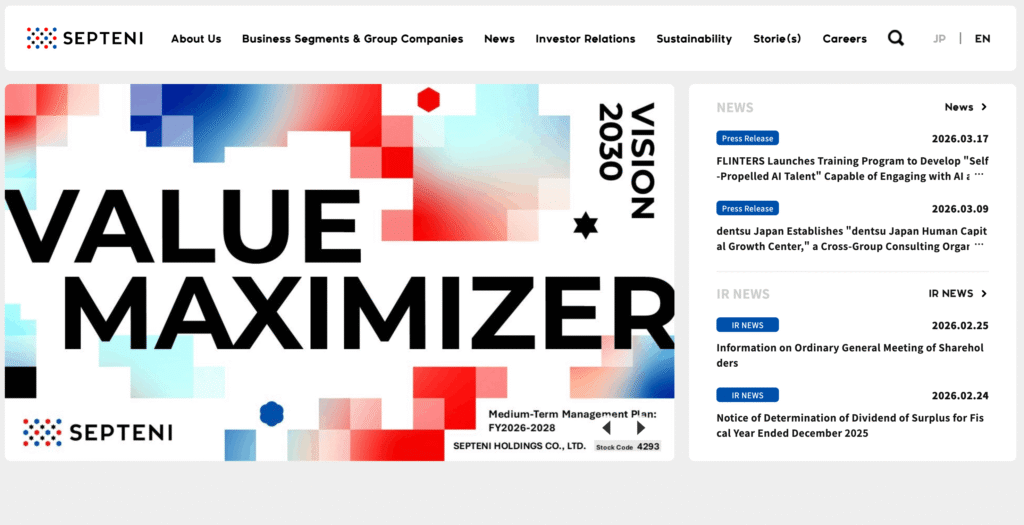
Septeni Holdings Co., Ltd. has emerged as a highly specialized and performance-oriented digital marketing agency in Japan’s competitive landscape in 2026. Unlike larger, fully integrated conglomerates, Septeni has strategically focused on optimizing operational efficiency, talent productivity, and data-driven marketing execution.
Its positioning is defined by a clear philosophy of “Focus and Synergy,” which emphasizes the importance of specialization across business functions while ensuring seamless integration between them. This approach allows Septeni to deliver targeted, high-performance solutions tailored to specific client objectives, particularly in areas where measurable outcomes and return on investment are critical.
Strategic Direction and Long-Term Vision
Septeni’s growth strategy is guided by its “VISION 2030” and accompanying medium-term management plan. At the core of this vision is the concept of a “smooth society,” where technology and creativity work together to reduce friction in both business operations and consumer experiences.
This strategic direction reflects broader trends in digital marketing, where efficiency, personalization, and seamless user journeys are increasingly prioritized.
Strategic Vision Framework
| Strategic Element | Description | Long-Term Impact |
|---|---|---|
| Focus and Synergy | Specialization of business units with integrated collaboration | Improved operational clarity and resource allocation |
| Smooth Society Concept | Reducing friction through technology and creative solutions | Enhanced customer experiences and brand interactions |
| Generative AI Integration | Adoption of AI tools for content creation and optimization | Increased scalability and efficiency |
| Data-Driven Decision Making | Use of analytics across all functions | Higher precision in marketing strategies |
This framework positions Septeni as a forward-looking agency that prioritizes both innovation and operational discipline.
Organizational Structure and Business Segmentation
A key component of Septeni’s strategy in 2026 is the reorganization of its Digital Marketing Business into three distinct yet interconnected segments. This structure ensures that each function operates with a clear strategic focus while contributing to overall business synergy.
Septeni Segment Reorganization Table
| Business Area | Primary Strategic Objective | Core Capabilities |
|---|---|---|
| Marketing Communications | Brand storytelling and social engagement | Content strategy, social media campaigns, brand positioning |
| Direct Business | ROI-driven performance marketing and conversion optimization | Paid media, acquisition strategy, conversion rate optimization |
| Data and Solutions | MarTech implementation and CRM analytics | Customer data platforms, analytics, marketing automation |
This segmentation enables Septeni to align its services with specific client needs, ensuring that each business unit can operate with maximum efficiency and expertise.
Core Strength: Performance Marketing and Direct Response
Septeni has built a strong reputation as a leader in direct-response marketing, where the primary objective is to drive measurable actions such as purchases, sign-ups, or app downloads.
Its expertise in this area is supported by advanced analytics, real-time optimization, and a deep understanding of customer acquisition strategies. This makes the agency particularly valuable for clients in e-commerce, mobile commerce, and other performance-driven sectors.
Performance Marketing Capability Matrix
| Capability Area | Description | Business Value Delivered |
|---|---|---|
| Customer Acquisition | Data-driven targeting and campaign execution | Lower acquisition costs and higher conversion rates |
| Conversion Optimization | Continuous testing and refinement of user journeys | Improved sales and engagement outcomes |
| Real-Time Campaign Management | Dynamic adjustment based on live performance data | Faster response to market changes |
| ROI Measurement | Detailed tracking and attribution modeling | Transparent and accountable marketing performance |
This focus on measurable outcomes distinguishes Septeni from agencies that prioritize brand-building over immediate performance metrics.
Digital HR and Talent Optimization
One of Septeni’s most innovative contributions to the digital marketing industry is its use of “Digital HR.” This approach applies data analytics and technology to workforce management, enabling the agency to optimize the productivity and effectiveness of its teams.
By analyzing performance data at both individual and team levels, Septeni can allocate resources more efficiently, identify areas for improvement, and enhance overall operational performance.
Digital HR Impact Table
| HR Function | Traditional Approach | Digital HR Approach | Strategic Benefit |
|---|---|---|---|
| Talent Allocation | Manual assignment based on experience | Data-driven matching of skills to project requirements | Higher efficiency and better outcomes |
| Performance Evaluation | Periodic reviews | Continuous, data-based performance tracking | Improved accountability and development |
| Team Optimization | Static team structures | Dynamic restructuring based on performance insights | Greater adaptability and productivity |
| Training and Development | Generic programs | Personalized learning based on data insights | Enhanced skill development |
This approach allows Septeni to maximize the value of its human capital while maintaining a high level of operational efficiency.
Integration of Generative AI and Real-Time Optimization
Septeni has also embraced generative AI as a core component of its marketing strategy. By integrating AI into creative production and campaign management processes, the agency can rapidly generate, test, and optimize marketing assets.
This capability is particularly impactful in performance marketing, where continuous iteration is essential for achieving optimal results.
AI-Driven Marketing Workflow Matrix
| Workflow Stage | Traditional Method | AI-Augmented Method | Outcome |
|---|---|---|---|
| Creative Development | Limited variations created manually | Multiple variations generated automatically | Increased testing capacity |
| Campaign Optimization | Periodic adjustments | Continuous real-time optimization | Improved performance and efficiency |
| Data Analysis | Retrospective reporting | Predictive and real-time analytics | Faster and more informed decision-making |
| Value Creation | Incremental improvements | Exponential scaling through AI-driven insights | Up to 10x value generation |
This integration enables Septeni to deliver highly adaptive and scalable marketing solutions, particularly in fast-paced digital environments.
Client Impact and Measurable Results
The effectiveness of Septeni’s strategic approach is evident in its client outcomes. A detailed review of a Direct Business project for a mobile commerce client highlights the tangible benefits of its methodologies.
By applying Digital HR principles to account management teams and leveraging generative AI for campaign optimization, Septeni was able to significantly reduce customer acquisition costs while improving overall campaign performance.
Client Outcome Summary Table
| Performance Indicator | Result Achieved |
|---|---|
| Customer Acquisition Cost | Measurable reduction through optimized resource allocation |
| Campaign Efficiency | Improved via real-time data-driven adjustments |
| Creative Performance | Enhanced through continuous AI-based optimization |
| Value Creation | Approximately 10x increase in marketing effectiveness |
Clients have noted that Septeni’s ability to combine data, technology, and talent optimization results in highly efficient and scalable marketing operations.
Market Position and Competitive Standing
Within Japan’s digital marketing industry, Septeni occupies a distinct niche as a performance-focused and efficiency-driven agency. Its emphasis on specialization, data analytics, and operational optimization differentiates it from larger, more generalized competitors.
Comparative Positioning Matrix
| Evaluation Factor | Septeni Positioning | Industry Comparison |
|---|---|---|
| Performance Marketing | Highly specialized and ROI-focused | Among the strongest in Japan |
| Organizational Efficiency | Optimized through Focus and Synergy model | Leading in operational clarity |
| Technological Integration | Strong adoption of AI and data analytics | Competitive with top-tier digital agencies |
| Talent Management | Advanced Digital HR implementation | Innovative and differentiated |
| Creative Scale | Driven by AI-enabled production | High, but more performance-oriented than brand-led |
This positioning reinforces Septeni’s role as a key partner for businesses seeking measurable growth and operational efficiency in their marketing efforts.
Role Within Japan’s Top Digital Marketing Agencies in 2026
In the broader context of Japan’s top digital marketing agencies, Septeni represents a new generation of firms that prioritize precision, efficiency, and data-driven performance. Its ability to integrate organizational strategy with advanced technology makes it particularly well-suited for clients operating in highly competitive and fast-moving digital markets.
While it may not match the scale of larger conglomerates, its focused expertise and innovative methodologies allow it to deliver exceptional value in performance-driven scenarios.
Conclusion
Septeni Holdings Co., Ltd. exemplifies a modern, efficiency-driven approach to digital marketing in 2026. Through its Focus and Synergy philosophy, advanced use of generative AI, and pioneering Digital HR practices, the agency has created a highly optimized model for delivering measurable results.
Its emphasis on specialization, real-time optimization, and talent productivity positions it as a leading force in performance marketing within Japan. As the industry continues to evolve, Septeni’s ability to align technology, data, and human capital will remain a critical driver of its success.
7. Master Tier Japan
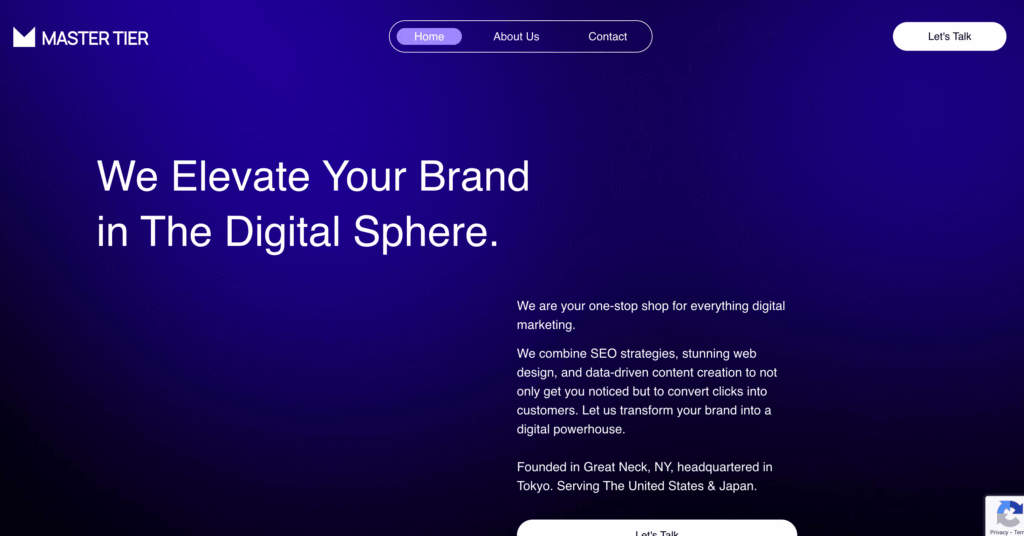
Master Tier Japan has rapidly emerged as one of the most influential digital marketing agencies in Tokyo, particularly within the SEO and growth marketing domain. By 2026, the agency has established itself as a leading partner for high-growth companies, earning recognition as the top marketing firm in Tokyo for 2025.
Unlike traditional large-scale agencies, Master Tier Japan operates with a streamlined, agile structure that prioritizes execution speed, measurable outcomes, and direct client collaboration. This positioning has made it especially attractive to venture-backed startups, technology firms, and international companies seeking to enter or expand within the Japanese market.
Strategic Positioning and Market Differentiation
Master Tier Japan differentiates itself through a focused, performance-driven approach that combines technical expertise with cultural understanding. Its “one-stop shop” model enables clients to access a comprehensive suite of growth services without the delays typically associated with large, bureaucratic organizations.
Strategic Positioning Matrix
| Strategic Factor | Master Tier Japan Approach | Competitive Advantage |
|---|---|---|
| Organizational Structure | Lean and agile operations | Faster execution and decision-making |
| Service Model | Integrated SEO and growth marketing | End-to-end performance optimization |
| Target Clients | Startups, scale-ups, and international entrants | Strong alignment with high-growth needs |
| Market Focus | Tokyo and broader Japanese digital ecosystem | Deep local expertise with global perspective |
| Execution Speed | Rapid deployment and iteration | Reduced time-to-impact |
This positioning allows the agency to compete effectively against larger firms by offering speed, flexibility, and a strong focus on measurable business outcomes.
Core Expertise: SEO and Growth Marketing Frameworks
At the core of Master Tier Japan’s offering is its advanced SEO methodology, which integrates technical precision, data-driven content strategies, and localized market insights. The agency’s approach goes beyond traditional keyword optimization, focusing instead on building scalable growth systems that convert traffic into revenue.
SEO and Growth Capability Table
| Capability Area | Description | Business Value Delivered |
|---|---|---|
| Technical SEO | Site architecture optimization, indexing, and performance enhancements | Improved search visibility and user experience |
| Data-Led Content Strategy | Content frameworks based on search intent and analytics | Higher engagement and organic traffic growth |
| Conversion Optimization | Focus on turning traffic into paying customers | Increased revenue and ROI |
| Growth Marketing Systems | Integrated strategies combining SEO, analytics, and user behavior insights | Sustainable and scalable growth |
This comprehensive approach ensures that SEO is not treated as an isolated function but as a central component of a broader growth strategy.
Bilingual Capabilities and Market Entry Support
One of Master Tier Japan’s most significant advantages is its bilingual capability, which plays a critical role in helping foreign companies navigate Japan’s unique digital environment.
Given that a relatively small percentage of the population is fluent in English, effective localization is essential for success in the Japanese market. Master Tier Japan bridges this gap by combining linguistic expertise with cultural insight, enabling brands to communicate effectively with local audiences.
Localization Advantage Matrix
| Localization Element | Agency Approach | Strategic Benefit |
|---|---|---|
| Language Adaptation | Bilingual content creation and optimization | Improved accessibility and audience reach |
| Cultural Relevance | Localization of messaging to align with Japanese norms | Higher engagement and trust |
| Market Entry Strategy | Tailored SEO and content strategies for foreign brands | Faster market penetration |
| Cross-Border Communication | Alignment between global and local marketing teams | Consistent brand positioning across regions |
This capability is particularly valuable for international companies seeking to establish a strong digital presence in Japan without losing brand consistency.
Client Performance and Success Stories
Master Tier Japan’s effectiveness is best illustrated through its client outcomes, which demonstrate its ability to deliver measurable and sustainable growth.
Agency Performance Benchmarks Table
| Client / Success Story | Project Outcome |
|---|---|
| e-housing.jp | Rapid organic growth for a major Tokyo real estate platform |
| Migaku | Strong traction and user acquisition for a language startup |
| SEO Methodology | Combination of technical accuracy and cultural relevance |
| Reporting Approach | High transparency with data-driven insights |
In a detailed project evaluation, the leadership of the real estate platform e-housing.jp highlighted the agency’s ability to generate significant organic growth. The client emphasized that Master Tier Japan’s bilingual expertise was instrumental in overcoming communication barriers and effectively targeting the Japanese market.
Performance-Driven Reporting and Transparency
A defining characteristic of Master Tier Japan’s service model is its commitment to transparency and data-driven reporting. Unlike agencies that focus on vanity metrics such as impressions or traffic volume, Master Tier Japan prioritizes metrics that directly impact business performance.
Reporting Framework Table
| Reporting Element | Description | Client Benefit |
|---|---|---|
| Data Transparency | Clear and detailed reporting on campaign performance | Increased trust and accountability |
| Performance Metrics | Focus on conversions, revenue, and ROI | Alignment with business objectives |
| Real-Time Insights | Continuous monitoring and optimization | Faster decision-making |
| Strategic Recommendations | Actionable insights based on data analysis | Ongoing improvement and growth |
This approach ensures that clients have full visibility into the effectiveness of their marketing efforts and can make informed decisions based on reliable data.
Client Feedback and Market Reputation
Client feedback consistently highlights Master Tier Japan’s ability to deliver tangible results while maintaining a high level of responsiveness and collaboration.
In the case of e-housing.jp, the client noted that the agency’s focus on converting traffic into customers was a key differentiator. Rather than pursuing superficial growth metrics, Master Tier Japan emphasized strategies that directly contributed to revenue generation and business success.
This results-oriented mindset has contributed to the agency’s strong reputation among startups and international firms, particularly those seeking rapid and measurable growth in competitive markets.
Market Position and Competitive Standing
Within Japan’s digital marketing ecosystem, Master Tier Japan occupies a unique niche as a specialized SEO and growth agency. Its focus on agility, performance, and localization distinguishes it from both large conglomerates and smaller boutique firms.
Comparative Positioning Matrix
| Evaluation Factor | Master Tier Japan Positioning | Industry Comparison |
|---|---|---|
| SEO Expertise | Highly specialized and technically advanced | Among the strongest in Tokyo |
| Growth Marketing | Integrated and performance-driven | Competitive with top-tier agencies |
| Organizational Agility | Extremely high | Superior to large agencies |
| Localization Capability | Strong bilingual and cultural expertise | Leading for international market entry |
| Reporting Transparency | High level of clarity and accountability | Above industry average |
This positioning reinforces the agency’s role as a preferred partner for businesses that prioritize speed, precision, and measurable outcomes.
Role Within Japan’s Top Digital Marketing Agencies in 2026
In the broader context of Japan’s top digital marketing agencies, Master Tier Japan represents a new generation of firms that prioritize efficiency, specialization, and results. Its ability to combine technical SEO expertise with cultural understanding makes it particularly valuable for companies operating at the intersection of global and local markets.
While it may not match the scale of larger agencies, its focused approach allows it to deliver exceptional value in high-growth and performance-driven scenarios.
Conclusion
Master Tier Japan exemplifies a modern, agile approach to digital marketing in 2026. Through its emphasis on technical SEO, data-driven strategies, and bilingual capabilities, the agency has positioned itself as a leader in growth marketing within Tokyo.
Its commitment to transparency, performance, and client success has earned it a strong reputation among startups and international companies. As the digital marketing landscape continues to evolve, Master Tier Japan’s ability to deliver fast, measurable, and culturally relevant results ensures its continued prominence in Japan’s competitive market.
8. ShapeWin Co., Ltd.
ShapeWin Co., Ltd. has established itself as a highly regarded boutique digital marketing and public relations agency in Japan’s competitive marketing ecosystem in 2026. Known for its strong client satisfaction and specialized service offerings, ShapeWin focuses on delivering targeted, high-impact campaigns for industries such as information technology, eCommerce, and beauty.
With a strong reputation reflected in a 4.8-star rating based on multiple verified client reviews, the agency has positioned itself as a reliable partner for companies seeking effective brand visibility and media exposure without the complexity of large agency structures. Its boutique model allows for closer client collaboration, faster communication, and a tailored approach to campaign execution.
Strategic Positioning and Market Focus
ShapeWin differentiates itself by combining public relations expertise with digital marketing capabilities, enabling clients to achieve both visibility and performance outcomes. Its services are particularly aligned with brands that require strong storytelling, media coverage, and audience engagement.
Strategic Positioning Matrix
| Strategic Factor | ShapeWin Approach | Competitive Advantage |
|---|---|---|
| Agency Model | Boutique and specialized | Personalized service and high responsiveness |
| Core Focus | PR-led digital marketing | Strong media exposure and brand awareness |
| Target Industries | IT, eCommerce, Beauty | Deep industry-specific expertise |
| Client Engagement | Close collaboration and tailored strategies | Higher satisfaction and alignment with client goals |
| Pricing Strategy | Competitive and value-driven | Attractive for small to mid-sized businesses |
This positioning makes ShapeWin particularly appealing to companies seeking high-quality execution with a more hands-on and flexible approach.
Service Portfolio and Allocation
ShapeWin offers a balanced mix of services that combine traditional public relations with modern digital marketing techniques. Its service allocation reflects a strong emphasis on brand visibility and audience engagement.
Service Allocation Table
| Service Category | Percentage of Business | Key Focus Area |
|---|---|---|
| Public Relations | 30 percent | Media outreach, press coverage, brand storytelling |
| SEO | 20 percent | Organic search visibility and content optimization |
| Social Media Marketing | 20 percent | Audience engagement and platform-specific campaigns |
| Marketing Strategy | 10 percent | Campaign planning and positioning |
| Pay Per Click (PPC) | 10 percent | Paid advertising and performance marketing |
| Event Management | 10 percent | Brand events and experiential marketing |
This diversified service mix allows ShapeWin to support clients across multiple touchpoints, ensuring cohesive and integrated marketing strategies.
Core Strength: Public Relations and Brand Awareness
ShapeWin’s strongest capability lies in its public relations expertise, which enables clients to achieve significant media exposure and brand recognition. The agency’s ability to secure high-value placements, including television coverage, demonstrates its effectiveness in amplifying brand presence.
PR Capability Matrix
| Capability Area | Description | Business Value Delivered |
|---|---|---|
| Media Relations | Strong network of media contacts and outlets | Increased visibility and credibility |
| Press Release Distribution | Strategic dissemination of brand announcements | Wider reach and audience awareness |
| Brand Storytelling | Development of compelling narratives | Enhanced emotional connection with audiences |
| Campaign Amplification | Integration of PR with digital channels | Greater impact across multiple platforms |
This focus on PR-driven visibility is particularly valuable for brands looking to establish authority and credibility in competitive markets.
Client Experience and Performance Outcomes
Client feedback consistently highlights ShapeWin’s ability to deliver results that exceed expectations, particularly in terms of exposure and campaign execution.
Client Outcome Summary Table
| Performance Indicator | Result Achieved |
|---|---|
| Media Exposure | Achieved high-profile coverage, including television mentions |
| KPI Achievement | Exceeded initial campaign targets |
| Client Satisfaction | High ratings and positive feedback across multiple reviews |
| Communication Quality | Strong responsiveness and clear project management |
In a detailed review from an IT sector client, the agency received a 100 percent satisfaction rating. The client emphasized ShapeWin’s excellent project management and responsiveness, noting that the campaign delivered exceptional visibility beyond the original scope.
Strength in Communication and Cultural Understanding
One of ShapeWin’s most frequently praised attributes is its effective communication and deep understanding of cultural nuances. This is particularly important in Japan’s market, where messaging must align closely with local expectations and social norms.
Communication and Cultural Capability Table
| Capability Element | Agency Strength | Strategic Benefit |
|---|---|---|
| Client Communication | Clear, consistent, and responsive | Improved collaboration and project alignment |
| Cultural Insight | Strong understanding of local market behavior | More relevant and impactful campaigns |
| Stakeholder Coordination | Efficient management of internal and external stakeholders | Smooth campaign execution |
| Transparency | Open communication throughout project lifecycle | Increased trust and client satisfaction |
Approximately 80 percent of client reviews highlight these strengths, reinforcing ShapeWin’s reputation as a reliable and client-focused agency.
Areas for Improvement and Constructive Feedback
While overall feedback is highly positive, some clients have identified opportunities for further enhancement, particularly in the area of creative event strategies.
Improvement Areas Matrix
| Area of Feedback | Client Observation | Potential Enhancement |
|---|---|---|
| Event Creativity | Suggestions for more innovative event concepts | More unique and engaging experiential campaigns |
| Strategic Expansion | Opportunity to expand creative offerings | Broader service innovation |
These insights provide a balanced view of the agency’s performance, indicating areas where it can further strengthen its service portfolio.
Market Position and Competitive Standing
Within Japan’s digital marketing ecosystem, ShapeWin occupies a niche position as a boutique agency specializing in PR-driven digital marketing and brand awareness. Its high client satisfaction and focused expertise distinguish it from both large agencies and smaller competitors.
Comparative Positioning Matrix
| Evaluation Factor | ShapeWin Positioning | Industry Comparison |
|---|---|---|
| Public Relations | Strong and specialized | Above average among boutique agencies |
| Client Satisfaction | Very high (4.8-star rating) | Leading in its category |
| Service Flexibility | High due to boutique structure | More adaptable than large agencies |
| Creative Innovation | Strong in PR, moderate in events | Competitive with room for growth |
| Pricing Value | Competitive and cost-effective | Attractive for mid-sized and growing companies |
This positioning reinforces ShapeWin’s role as a trusted partner for brands seeking impactful PR and digital marketing solutions with a high level of service quality.
Role Within Japan’s Top Digital Marketing Agencies in 2026
In the broader context of Japan’s leading digital marketing agencies, ShapeWin represents a specialized segment focused on brand awareness, media exposure, and client-centric execution. Its ability to deliver measurable visibility and maintain strong client relationships makes it a valuable partner for businesses aiming to enhance their public presence.
While it may not compete with larger agencies in scale, its boutique approach allows it to deliver highly personalized and effective campaigns that resonate with target audiences.
Conclusion
ShapeWin Co., Ltd. exemplifies the strengths of a boutique digital marketing and PR agency in Japan’s evolving market. Through its emphasis on public relations, strong communication, and cultural understanding, the agency has built a reputation for delivering high-quality results and exceptional client satisfaction.
Its competitive pricing, combined with its ability to generate significant media exposure, makes it an attractive choice for companies seeking effective and efficient marketing solutions. As the demand for authentic and impactful brand communication continues to grow, ShapeWin remains well-positioned to play a key role in Japan’s digital marketing landscape in 2026.
9. TAMLO

TAMLO has positioned itself as a highly agile and culturally attuned creative agency within Japan’s digital marketing ecosystem in 2026. With a strong reputation reflected in a 4.9-star rating and a 100 percent positive feedback rate, the agency has become a preferred partner for Western brands seeking to localize and scale their presence in the Japanese market.
Unlike large-scale agencies, TAMLO operates with a focused, client-centric model that emphasizes flexibility, affordability, and cultural precision. Its services are particularly valuable for small to mid-sized businesses that require high-quality execution without the complexity or cost structure of larger firms.
Strategic Positioning and Market Focus
TAMLO’s market positioning is defined by its specialization in localization-driven marketing and its ability to bridge cultural and linguistic gaps between international brands and Japanese consumers.
Strategic Positioning Matrix
| Strategic Factor | TAMLO Approach | Competitive Advantage |
|---|---|---|
| Agency Model | Boutique and flexible | High adaptability and personalized service |
| Core Specialization | Localization, SEO, and social media marketing | Strong alignment with cross-border marketing needs |
| Target Clients | Western brands entering Japan | Expertise in international market adaptation |
| Pricing Strategy | Mid-range and budget-conscious | Accessible for smaller businesses |
| Client Engagement | Collaborative and responsive | High satisfaction and long-term relationships |
This positioning allows TAMLO to effectively serve clients who require both strategic guidance and hands-on execution in a culturally complex market.
Core Expertise: Localization and Content Strategy
A defining strength of TAMLO lies in its ability to adapt global content to the Japanese market through a combination of localization, SEO, and creative storytelling. The agency ensures that messaging is not only translated accurately but also resonates with local cultural expectations and consumer behavior.
Localization Capability Table
| Capability Area | Description | Business Value Delivered |
|---|---|---|
| Content Localization | Cultural adaptation of messaging and brand voice | Improved audience relevance and engagement |
| SEO Optimization | Keyword strategy aligned with Japanese search behavior | Increased organic visibility |
| Social Media Marketing | Platform-specific content tailored to local audiences | Enhanced community engagement |
| Integrated Content Strategy | Cohesive campaigns across multiple digital channels | Consistent and scalable brand growth |
This integrated approach ensures that clients can effectively communicate with Japanese consumers while maintaining their global brand identity.
Project Pricing and Service Structure
TAMLO offers a transparent and flexible pricing model that caters to a range of project sizes and client budgets. Its service structure reflects a balance between affordability and quality, making it accessible to both startups and established businesses.
Project Pricing and Breakdown Table
| Project Size Range | Number of Projects | Typical Service Offering |
|---|---|---|
| $10,000 to $49,000 | 5 | Integrated content strategy and campaign execution |
| Less than $10,000 | 2 | Content localization and SEO services |
| Hourly Rate ($100–$149) | Ongoing | Specialized consulting and advisory |
This pricing model demonstrates TAMLO’s commitment to delivering value-driven solutions while accommodating varying levels of client investment.
Client Experience and Performance Outcomes
Client feedback highlights TAMLO’s ability to deliver high-quality results while maintaining strong communication and project management standards.
Client Outcome Summary Table
| Performance Indicator | Result Achieved |
|---|---|
| Project Management | Highly professional and well-structured |
| Budget Management | Effective solutions within financial constraints |
| Client Satisfaction | 100 percent positive feedback rate |
| Cultural Adaptation | Strong alignment with Japanese market expectations |
In a detailed review from a restaurant client, TAMLO was praised for its ability to deliver creative solutions within a limited budget. The agency’s leadership was specifically recognized for being considerate of financial constraints while still achieving impactful results.
Strength in Cultural Understanding and Responsiveness
TAMLO’s success is largely driven by its deep understanding of Japanese culture and its ability to translate that insight into effective marketing strategies.
Cultural and Communication Strength Matrix
| Capability Element | Agency Strength | Strategic Benefit |
|---|---|---|
| Cultural Insight | Strong understanding of local consumer behavior | More authentic and effective campaigns |
| Responsiveness | سريع and proactive communication | Faster project turnaround and issue resolution |
| Client Collaboration | Close alignment with client objectives | Improved campaign outcomes |
| Creative Alignment | Integration of client vision with local market insights | Balanced and impactful messaging |
Approximately 67 percent of clients have noted that TAMLO successfully integrates creative thinking with the client’s original business goals, reinforcing its reputation as a collaborative and results-oriented agency.
Creative Execution and Strategic Alignment
TAMLO’s approach to creative execution emphasizes both originality and strategic alignment. Rather than producing generic content, the agency focuses on delivering solutions that are tailored to each client’s unique objectives and market context.
Creative Strategy Matrix
| Creative Element | Traditional Approach | TAMLO Approach | Outcome |
|---|---|---|---|
| Content Development | Generic or globally standardized messaging | Culturally adapted and locally relevant content | Higher engagement and relatability |
| Campaign Strategy | Broad targeting | Focused, insight-driven execution | Improved conversion and performance |
| Budget Utilization | Fixed allocation | Flexible and efficiency-driven | Maximum value for investment |
| Client Alignment | Limited collaboration | Continuous feedback and iteration | Stronger alignment with business goals |
This approach ensures that campaigns are both creative and strategically effective, delivering measurable results for clients.
Market Position and Competitive Standing
Within Japan’s digital marketing ecosystem, TAMLO occupies a niche position as a boutique agency specializing in localization and culturally relevant content strategies. Its strong client satisfaction and focus on international brands distinguish it from both large agencies and other boutique competitors.
Comparative Positioning Matrix
| Evaluation Factor | TAMLO Positioning | Industry Comparison |
|---|---|---|
| Localization Expertise | Highly specialized | Leading among boutique agencies |
| Client Satisfaction | Extremely high (4.9-star rating) | Among the best in its category |
| Pricing Flexibility | Accessible and value-driven | More competitive than large agencies |
| Creative Adaptability | Strong cultural alignment | Above average |
| Operational Agility | High due to small team structure | More responsive than larger competitors |
This positioning highlights TAMLO’s strength in delivering tailored, high-impact solutions for clients navigating the Japanese market.
Role Within Japan’s Top Digital Marketing Agencies in 2026
In the broader context of Japan’s leading digital marketing agencies, TAMLO represents a specialized segment focused on localization, cultural adaptation, and client-centric execution. Its ability to deliver high-quality work within budget constraints makes it particularly valuable for companies entering Japan or expanding their local presence.
While it may not compete with larger agencies in terms of scale, its expertise and flexibility allow it to deliver exceptional value in targeted marketing initiatives.
Conclusion
TAMLO exemplifies a modern, culturally focused approach to digital marketing in Japan in 2026. Through its expertise in localization, SEO, and social media marketing, the agency enables international brands to effectively connect with Japanese consumers.
Its strong emphasis on client collaboration, budget efficiency, and cultural understanding has resulted in consistently high satisfaction levels and successful campaign outcomes. As globalization continues to drive cross-border business expansion, TAMLO’s role as a bridge between Western brands and the Japanese market will remain increasingly significant.
10. Custom Media K.K.
Custom Media K.K. has established itself as a highly capable bilingual digital marketing agency in Tokyo, offering integrated marketing solutions tailored to both domestic and international clients. As of 2026, the agency is widely recognized for its ability to combine strategic communications, content production, and data-driven marketing into cohesive campaigns that deliver measurable business results.
With a strong reputation reflected in a 4.9 out of 5.0 rating, Custom Media has positioned itself as a trusted partner for organizations seeking to build authority, credibility, and engagement within Japan’s complex and highly localized market. Its expertise is particularly valuable for B2B companies and foreign firms aiming to establish a strong foothold in Japan.
Strategic Positioning and Market Focus
Custom Media differentiates itself through its integrated approach to marketing, combining content, digital strategy, and communications into unified campaigns. Its bilingual capabilities further enhance its appeal to international clients navigating the Japanese market.
Strategic Positioning Matrix
| Strategic Factor | Custom Media Approach | Competitive Advantage |
|---|---|---|
| Agency Model | Boutique, integrated marketing agency | Personalized service with end-to-end capabilities |
| Core Focus | Content-driven digital strategy and communications | Strong alignment with brand authority building |
| Target Clients | B2B companies and international firms | Expertise in complex, trust-based industries |
| Market Specialization | Japan-focused with bilingual execution | Effective cross-border communication |
| Performance Orientation | ROI-driven campaign development | Clear measurement of business impact |
This positioning enables Custom Media to deliver highly targeted and effective marketing strategies, particularly for clients operating in niche or specialized sectors.
Core Capabilities and Service Portfolio
Custom Media offers a well-rounded suite of services that emphasize content creation, digital strategy, and integrated communications. Its ability to align these services into a unified approach is a key factor in its success.
Agency Capabilities Table
| Capability Area | Description | Business Value Delivered |
|---|---|---|
| Content Marketing | Creation of articles, blogs, and thought leadership content | Establishes authority and drives organic engagement |
| Video Production | Development of high-quality visual content for digital platforms | Enhances storytelling and audience engagement |
| Digital Strategy | Planning and execution of targeted marketing campaigns | Aligns marketing efforts with business objectives |
| Strategic Communications | Messaging and brand positioning across channels | Builds trust and consistent brand identity |
With a team size of under 49 employees and a portfolio of multiple completed projects, the agency maintains a balance between agility and capability, allowing it to deliver high-quality work while remaining responsive to client needs.
Bilingual Advantage and Cross-Border Marketing
A defining strength of Custom Media is its bilingual capability, which enables seamless communication and campaign execution for international clients. This is particularly critical in Japan, where language and cultural nuances play a significant role in marketing effectiveness.
Bilingual Capability Matrix
| Capability Element | Agency Approach | Strategic Benefit |
|---|---|---|
| Language Proficiency | Bilingual content creation and campaign management | Improved accessibility and audience reach |
| Cultural Adaptation | Localization of messaging for Japanese audiences | Higher engagement and trust |
| Cross-Border Alignment | Coordination between global and local marketing strategies | Consistent brand messaging across markets |
| Market Entry Support | Strategic guidance for foreign companies entering Japan | Faster and more effective market penetration |
This capability positions Custom Media as a valuable partner for companies seeking to bridge the gap between global branding and local market expectations.
Data-Driven Approach and ROI Focus
Custom Media’s marketing strategies are grounded in data analysis and performance measurement, ensuring that campaigns are optimized for tangible business outcomes. The agency emphasizes targeted engagement and measurable return on investment, making it particularly appealing to results-oriented clients.
Performance and ROI Framework
| Performance Element | Description | Client Benefit |
|---|---|---|
| Data-Driven Targeting | Use of analytics to identify and reach specific audience segments | Increased campaign efficiency |
| ROI Measurement | Tracking of conversions and business impact | Clear visibility into marketing effectiveness |
| Campaign Optimization | Continuous refinement based on performance data | Improved results over time |
| Engagement Strategy | Focus on meaningful interactions rather than broad reach | Higher quality leads and conversions |
This structured approach ensures that marketing investments are aligned with business objectives and deliver measurable value.
Client Experience and Verified Outcomes
Client feedback highlights Custom Media’s ability to deliver strong results through targeted and integrated marketing strategies. Reviews consistently emphasize the agency’s professionalism, responsiveness, and commitment to achieving client goals.
Client Outcome Summary Table
| Performance Indicator | Result Achieved |
|---|---|
| Return on Investment | Strong ROI through targeted engagement campaigns |
| Campaign Effectiveness | High levels of audience engagement and conversion |
| Client Satisfaction | Positive feedback across multiple review platforms |
| Strategic Execution | Well-coordinated and data-driven campaign delivery |
In a B2B digital integration project, a client noted that Custom Media successfully combined digital strategy and video production to create a highly targeted campaign that generated measurable business outcomes. The agency’s ability to align content with strategic objectives was a key factor in this success.
Creative and Strategic Integration
Custom Media’s strength lies in its ability to integrate creative production with strategic planning. Rather than treating content and strategy as separate functions, the agency ensures that all elements of a campaign work together to achieve a unified objective.
Creative Integration Matrix
| Creative Element | Traditional Approach | Custom Media Approach | Outcome |
|---|---|---|---|
| Content Creation | Standalone production | Integrated with strategic objectives | More effective messaging |
| Video Production | Isolated visual content | Aligned with campaign goals | Enhanced storytelling and engagement |
| Campaign Strategy | Broad and generalized | Highly targeted and data-driven | Improved performance and ROI |
| Client Collaboration | Limited interaction | Continuous communication and feedback | Strong alignment with business goals |
This integrated approach allows the agency to deliver campaigns that are both creative and strategically effective.
Market Position and Competitive Standing
Within Japan’s digital marketing ecosystem, Custom Media occupies a niche position as a bilingual, content-driven agency focused on integrated marketing and strategic communications. Its strong emphasis on ROI and targeted engagement distinguishes it from both large agencies and smaller boutique firms.
Comparative Positioning Matrix
| Evaluation Factor | Custom Media Positioning | Industry Comparison |
|---|---|---|
| Content Expertise | Strong in thought leadership and storytelling | Above average among boutique agencies |
| Bilingual Capability | Highly developed | Leading for international clients |
| ROI Focus | Central to all campaigns | Competitive with performance-driven agencies |
| Service Integration | Seamless across content, strategy, and communications | Strong differentiator |
| Operational Agility | High due to smaller team size | More responsive than large agencies |
This positioning reinforces Custom Media’s role as a strategic partner for companies seeking to build credibility and achieve measurable results in Japan.
Role Within Japan’s Top Digital Marketing Agencies in 2026
In the broader context of Japan’s leading digital marketing agencies, Custom Media represents a specialized segment focused on integrated, bilingual marketing solutions. Its ability to combine content, strategy, and data-driven execution makes it particularly valuable for B2B organizations and international firms.
While it may not compete with larger agencies in terms of scale, its expertise in targeted engagement and cross-border communication ensures that it delivers significant value in its niche.
Conclusion
Custom Media K.K. exemplifies a modern, integrated approach to digital marketing in Japan in 2026. Through its focus on content creation, strategic communications, and data-driven performance, the agency has built a strong reputation for delivering measurable results.
Its bilingual capabilities and deep understanding of the Japanese market make it an essential partner for international companies seeking to establish trust and authority. As digital marketing continues to evolve, Custom Media’s emphasis on integration, precision, and ROI will remain key drivers of its continued success.
Overview of the Japanese Digital Marketing Ecosystem in 2026
The Japanese digital marketing ecosystem in 2026 represents a mature, highly sophisticated environment shaped by rapid technological advancement and a decisive shift toward digital-first engagement. As the world’s third-largest advertising market, Japan has reached a structural inflection point where internet advertising has surpassed traditional television for the first time, capturing more than half of total advertising expenditure.
This transition reflects more than a redistribution of budgets; it signifies a fundamental transformation in how brands interact with consumers. The modern marketing funnel in Japan is now deeply influenced by algorithmic systems, generative artificial intelligence, and a unique domestic platform ecosystem that continues to resist global platform dominance.
The result is a highly integrated, data-driven environment where every stage of the consumer journey is optimized through real-time insights, predictive analytics, and automated decision-making.
Market Economics and Growth Trajectory
Japan’s advertising market has demonstrated strong and sustained growth, reaching a record valuation of 8,062.3 billion yen in 2025. This represents a year-on-year increase of 5.1 percent, driven largely by the rapid expansion of digital channels.
Internet advertising has emerged as the dominant force within this ecosystem, exceeding 4,000 billion yen for the first time and accounting for a significant portion of total market share. As the industry progresses into 2026, the market is projected to reach approximately 64.88 billion US dollars, with continued double-digit growth expected over the coming years.
Market Valuation and Growth Projections
| Metric | 2025 (Actual) | 2026 (Projected) | 2029 (Forecast) | CAGR (2026–2029) |
|---|---|---|---|---|
| Total Ad Spend (USD) | 56.85 Billion | 64.88 Billion | 102.22 Billion | 16.4 percent |
| Internet Ad Spend (JPY) | 4,045.9 Billion | Approximately 4,612 Billion | Over 6,500 Billion | 14.1 to 16.4 percent |
| Video Ad Spend (JPY) | 1,027.5 Billion | Approximately 1,250 Billion | Over 2,000 Billion | 21.8 percent (historical) |
| Social Ad Spend (JPY) | 1,306.7 Billion | Approximately 1,550 Billion | Over 2,500 Billion | 18.7 percent (historical) |
This sustained growth is fueled by several key drivers, including the proliferation of digital video formats, the expansion of retail media networks, and the widespread adoption of AI-driven optimization technologies across marketing operations.
The Rise of the Algorithmic Paradigm
A defining characteristic of Japan’s digital marketing landscape in 2026 is the emergence of what can be described as the “algorithmic paradigm.” In this environment, algorithms serve as the primary intermediaries between brands and consumers, shaping everything from content discovery to purchasing decisions.
This paradigm is supported by the integration of generative artificial intelligence into marketing workflows, enabling agencies to automate content creation, personalize messaging at scale, and optimize campaigns in real time.
Algorithmic Marketing Framework
| Component | Description | Strategic Impact |
|---|---|---|
| AI-Driven Personalization | Real-time customization of content based on user behavior | Increased engagement and conversion rates |
| Predictive Analytics | Forecasting consumer preferences and trends | Proactive campaign optimization |
| Automated Media Buying | Algorithm-based allocation of advertising budgets | Improved efficiency and ROI |
| Generative Content Systems | AI-assisted creation of marketing assets | Scalable and rapid content production |
This shift has redefined the role of marketing agencies, requiring them to combine technical expertise with strategic insight in order to remain competitive.
Key Growth Engines: Video and Social Advertising
Video advertising has emerged as the primary driver of growth within Japan’s digital economy, surpassing the 1 trillion yen threshold in 2025. This segment continues to expand rapidly, supported by the rise of connected television, short-form video platforms, and streaming services.
Similarly, social media advertising has experienced strong growth, driven by increased user engagement and the integration of commerce features within social platforms.
Digital Advertising Growth Drivers
| Channel Type | 2025 Value (JPY) | Growth Rate | Key Drivers |
|---|---|---|---|
| Video Advertising | 1,027.5 Billion | 21.8 percent | Connected TV, streaming, short-form video |
| Social Advertising | 1,306.7 Billion | 18.7 percent | Social commerce, influencer marketing |
| Retail Media Networks | Rapid expansion | High growth | E-commerce platform integration |
| Search and Display | Stable growth | Moderate | Continued relevance in performance marketing |
These channels collectively form the backbone of Japan’s digital advertising ecosystem, enabling brands to reach consumers across multiple touchpoints.
Platform Dominance and the Domestic Ecosystem
One of the most distinctive features of Japan’s digital landscape is the dominance of domestic platforms. Unlike many global markets, where international technology companies hold significant control, Japan maintains a strong local platform ecosystem.
LINE, in particular, serves as a central pillar of this ecosystem, functioning as a comprehensive platform that integrates messaging, payments, and commerce. With approximately 99 million monthly active users, it reaches a substantial portion of the population and acts as a critical gateway for digital engagement.
Platform Ecosystem Overview
| Platform Type | Key Platform | Role in Ecosystem | Market Influence |
|---|---|---|---|
| Messaging and Social | LINE | Communication, payments, and commerce integration | Dominant domestic platform |
| Search and Portal | Yahoo! Japan | Information discovery and advertising | Strong presence among older demographics |
| Social Media | Instagram, TikTok | Content discovery and engagement | High adoption among younger audiences |
| E-commerce and Retail Media | Domestic platforms | Product discovery and purchase | Growing influence in advertising |
This localized ecosystem requires agencies to develop specialized strategies that align with platform-specific behaviors and user expectations.
Consumer Discovery Patterns and Behavioral Insights
Understanding consumer behavior is critical to navigating Japan’s digital marketing landscape. In 2026, product discovery is increasingly driven by social media platforms, particularly among younger demographics.
Consumer Discovery by Demographic
| Demographic Group | Discover via Social Media (%) | Key Platforms |
|---|---|---|
| Generation Z | 64 percent | TikTok, Instagram, LINE |
| Millennials | 59 percent | Instagram, X, LINE |
| Generation X | 47 percent | Facebook, Yahoo! Japan, LINE |
| Total Market | 50.2 percent (digital share) | All digital channels |
These patterns highlight the growing importance of social and video platforms in shaping consumer decisions, as well as the need for tailored strategies that address the preferences of different demographic groups.
Implications for Agency Leadership and Strategy
The evolution of Japan’s digital marketing ecosystem has significant implications for agency leadership. Agencies must now operate at the intersection of technology, creativity, and data analytics, balancing automation with human insight.
Strategic Implications Matrix
| Strategic Area | Industry Shift | Required Agency Response |
|---|---|---|
| Technology Integration | Increased reliance on AI and automation | Investment in advanced tools and technical expertise |
| Consumer Expectations | Demand for personalization and authenticity | Development of human-centric, data-informed strategies |
| Platform Complexity | Fragmented yet interconnected ecosystems | Platform-specific expertise and integration capabilities |
| Performance Accountability | Focus on measurable outcomes | Enhanced analytics and ROI-driven approaches |
Agencies that can successfully integrate these elements will be best positioned to lead in the evolving market.
Conclusion
The Japanese digital marketing ecosystem in 2026 represents a fully realized digital-first environment, characterized by rapid growth, technological sophistication, and a unique balance between global innovation and domestic platform strength.
As internet advertising continues to expand and algorithmic systems reshape consumer engagement, the role of agencies is becoming increasingly complex and strategic. Success in this environment requires a deep understanding of data, technology, and cultural nuance, as well as the ability to adapt to continuously evolving market dynamics.
This transformation not only defines the current state of Japan’s advertising industry but also sets the foundation for its future trajectory, where innovation, integration, and performance will remain the key drivers of success.
Overview of the 2026 Japanese Digital Marketing Ecosystem
The Japanese digital marketing ecosystem in 2026 represents a fully matured, digital-first environment where internet-based channels have overtaken traditional media in both scale and influence. For the first time in the history of Japan’s advertising industry, internet advertising accounts for more than 50 percent of total market share, surpassing television and redefining the structure of the entire marketing landscape.
This transformation extends beyond a simple reallocation of budgets. It reflects a fundamental shift in how consumers discover, evaluate, and engage with brands. The modern consumer journey in Japan is now governed by algorithmic systems, generative artificial intelligence, and a highly localized digital platform ecosystem that continues to operate independently of global technology dominance.
Market Economics and Industry Expansion
Japan’s advertising market has demonstrated strong growth, reaching a record value of 8,062.3 billion yen in 2025, representing a 5.1 percent year-on-year increase. Within this total, internet advertising has become the dominant force, growing by 10.8 percent to 4,045.9 billion yen and surpassing the 4 trillion yen milestone for the first time.
As the industry progresses into 2026, the market is projected to reach approximately 64.88 billion US dollars, with a forecast growth rate of 14.1 percent. This growth is expected to continue through the end of the decade, driven by technological innovation and evolving consumer behavior.
Market Valuation and Projections (2025–2029)
| Metric | 2025 (Actual) | 2026 (Projected) | 2029 (Forecast) | CAGR (2026–2029) |
|---|---|---|---|---|
| Total Ad Spend (USD) | 56.85 Billion | 64.88 Billion | 102.22 Billion | 16.4 percent |
| Internet Ad Spend (JPY) | 4,045.9 Billion | Approximately 4,612 Billion | Over 6,500 Billion | 14.1 to 16.4 percent |
| Video Ad Spend (JPY) | 1,027.5 Billion | Approximately 1,250 Billion | Over 2,000 Billion | 21.8 percent (historical) |
| Social Ad Spend (JPY) | 1,306.7 Billion | Approximately 1,550 Billion | Over 2,500 Billion | 18.7 percent (historical) |
This data highlights the accelerating pace of digital adoption and the increasing importance of internet-based channels in driving overall market growth.
The Algorithmic Paradigm and Marketing Transformation
A defining feature of Japan’s digital marketing environment in 2026 is the emergence of the algorithmic paradigm. In this context, algorithms and artificial intelligence systems act as the primary intermediaries between brands and consumers, shaping every stage of the marketing funnel.
From content discovery to purchase decisions, consumer interactions are increasingly influenced by predictive analytics, machine learning models, and automated optimization systems. This has transformed marketing from a linear process into a dynamic, continuously evolving system.
Algorithmic Marketing Framework
| Component | Description | Strategic Impact |
|---|---|---|
| AI-Driven Personalization | Real-time customization of content based on user behavior | Higher engagement and conversion rates |
| Predictive Analytics | Forecasting trends and consumer intent | Proactive campaign optimization |
| Automated Media Buying | Algorithm-based allocation of advertising spend | Improved efficiency and cost control |
| Generative AI Content | Automated creation and testing of marketing assets | Scalable and rapid content production |
This paradigm requires agencies to integrate advanced technologies with strategic insight, fundamentally changing the skills and capabilities needed to compete in the market.
Key Growth Drivers: Video and Social Advertising
Video and social advertising have emerged as the primary engines of growth within Japan’s digital economy. Video advertising surpassed 1 trillion yen in 2025, achieving a remarkable growth rate of 21.8 percent year-on-year. This growth is driven by the expansion of connected television, streaming platforms, and short-form video content.
Social advertising has also demonstrated strong performance, growing by 18.7 percent to reach 1.3 trillion yen. The integration of commerce features within social platforms has further accelerated this growth, enabling seamless transitions from content consumption to purchasing.
Digital Advertising Growth Drivers
| Channel Type | 2025 Value (JPY) | Growth Rate | Key Drivers |
|---|---|---|---|
| Video Advertising | 1,027.5 Billion | 21.8 percent | Streaming, connected TV, short-form video |
| Social Advertising | 1,306.7 Billion | 18.7 percent | Social commerce, influencer marketing |
| Retail Media Networks | Rapid expansion | High growth | E-commerce integration and first-party data usage |
| Search and Display | Stable growth | Moderate | Continued relevance in performance marketing |
These channels collectively define the modern digital marketing mix, enabling brands to engage consumers across multiple touchpoints with high precision.
Platform Dominance and the Domestic Ecosystem
Japan’s digital ecosystem is distinguished by the strength and resilience of its domestic platforms. Unlike many global markets, where international platforms dominate, Japan maintains a highly localized environment that requires specialized strategies.
LINE serves as the central pillar of this ecosystem, with approximately 99 million monthly active users, representing around 77 percent of the population. Its integration of messaging, payments, and commerce creates a comprehensive “walled garden” that concentrates user attention and facilitates deep engagement.
Platform Ecosystem Overview
| Platform Type | Key Platform | Role in Ecosystem | Market Influence |
|---|---|---|---|
| Messaging and Social | LINE | Communication, payments, and commerce integration | Dominant domestic platform |
| Search and Portal | Yahoo! Japan | Information discovery and advertising | Strong presence among older demographics |
| Social Media | Instagram, TikTok | Content discovery and engagement | High adoption among younger users |
| E-commerce and Retail Media | Domestic platforms | Product discovery and purchasing | Increasing influence in advertising strategies |
This concentration of user activity within a few key platforms creates both opportunities and challenges for marketers, requiring precise targeting and platform-specific expertise.
Consumer Behavior and Discovery Patterns
Consumer behavior in Japan has evolved significantly, with digital channels playing a central role in product discovery. Social media platforms have become primary discovery tools, particularly among younger demographics.
Japanese Consumer Discovery Patterns by Demographic
| Demographic Group | Discover Products via Social Media (%) | Key Platforms |
|---|---|---|
| Generation Z | 64 percent | TikTok, Instagram, LINE |
| Millennials | 59 percent | Instagram, X, LINE |
| Generation X | 47 percent | Facebook, Yahoo! Japan, LINE |
| Total Market | 50.2 percent (digital share) | All digital channels |
These insights highlight the importance of tailoring marketing strategies to specific demographic groups and leveraging the platforms most relevant to each audience segment.
Implications for Agency Leadership and Strategy
The evolution of the Japanese digital marketing ecosystem has profound implications for agency leadership. Agencies must now operate at the intersection of technology, data, and creativity, adapting to an environment where performance and personalization are paramount.
Strategic Implications Matrix
| Strategic Area | Industry Shift | Required Agency Response |
|---|---|---|
| Technology Integration | Increased reliance on AI and automation | Investment in advanced tools and technical capabilities |
| Consumer Expectations | Demand for personalized and authentic experiences | Development of human-centric, data-informed strategies |
| Platform Complexity | Fragmented yet interconnected ecosystems | Platform-specific expertise and integration |
| Performance Accountability | Emphasis on measurable outcomes | Enhanced analytics and ROI-driven frameworks |
Agencies that successfully align with these shifts will be best positioned to lead in the evolving market.
Conclusion
The Japanese digital marketing ecosystem in 2026 is defined by its digital-first maturity, rapid growth, and technological sophistication. The dominance of internet advertising, the rise of algorithm-driven marketing, and the strength of domestic platforms collectively shape a unique and highly competitive environment.
As the industry continues to evolve, success will depend on the ability to integrate advanced technologies with strategic insight and cultural understanding. This transformation not only reflects the current state of Japan’s advertising market but also sets the stage for its future development, where innovation, data, and performance will remain the key drivers of growth.
Overview of Critical Trends Shaping Japan’s Digital Marketing Future (2026–2027)
As Japan’s digital marketing ecosystem enters the 2026–2027 period, the industry is transitioning from rapid digital adoption to a more complex, AI-mediated environment defined by behavioral shifts, platform evolution, and emerging consumer expectations. This phase is characterized by what can be described as an “algorithmic paradox,” where increased automation and efficiency are accompanied by a growing demand for human-centric experiences.
Agencies are no longer competing solely on execution or scale. Instead, success increasingly depends on their ability to interpret algorithmic behavior, integrate artificial intelligence meaningfully, and design experiences that resonate emotionally with consumers.
The Algorithmic Paradox and the Rise of Agent Experience Optimization
A central trend defining this period is the emergence of Agent Experience Optimization (AEO). As AI assistants and generative systems become primary interfaces for information discovery, the traditional concept of search engine optimization is evolving.
Consumers are increasingly relying on AI-driven agents to filter, summarize, and recommend content. This shift requires brands and agencies to optimize not only for human users but also for machine interpretation and recommendation systems.
Agent Experience Optimization Framework
| Component | Description | Strategic Implication |
|---|---|---|
| AI Interface Optimization | Structuring content for AI interpretation and summarization | Increased visibility in AI-driven discovery |
| Conversational Content | Designing content for natural language interactions | Improved engagement through AI assistants |
| Structured Data Integration | Enhancing machine readability of content | Higher ranking in algorithmic outputs |
| Trust and Authority Signals | Building credibility for AI validation | Greater likelihood of recommendation |
This evolution represents a fundamental shift in digital strategy, where visibility is increasingly mediated by intelligent systems rather than direct user queries.
The Expansion of Retail Media and Connected TV
Retail media has emerged as the fastest-growing segment within Japan’s digital advertising landscape. Platforms such as major e-commerce ecosystems have evolved into full-scale advertising networks, leveraging first-party data to deliver highly targeted campaigns with measurable outcomes.
At the same time, Connected TV (CTV) is redefining how audiences consume video content. Traditional television is increasingly accessed through digital interfaces, blending mass reach with the precision targeting capabilities of digital advertising.
Retail Media and CTV Growth Matrix
| Channel Type | Growth Rate | Key Drivers | Strategic Value |
|---|---|---|---|
| Retail Media Networks | Approximately 14.1 percent annually | First-party data, closed-loop attribution, e-commerce integration | High conversion accuracy and measurable ROI |
| Connected TV (CTV) | Over 23 percent growth in related video spend | Streaming adoption, digital TV interfaces | Combines scale of TV with digital targeting precision |
| E-commerce Advertising | Rapid expansion | Integration of shopping and advertising | Direct link between exposure and purchase |
This convergence of commerce and media is reshaping the advertising funnel, allowing brands to track the entire customer journey from awareness to purchase within a single ecosystem.
AI Integration and the Shift Toward Emotional Marketing
A significant societal trend influencing digital marketing strategies is the increasing prevalence of social isolation. A large portion of consumers report spending substantial time alone, leading to a growing reliance on digital and AI-driven interactions.
This has resulted in a notable shift in expectations, where consumers increasingly view AI not only as a tool but also as a form of companionship or support.
Consumer Behavior and AI Interaction Trends
| Behavioral Indicator | Observed Trend | Marketing Implication |
|---|---|---|
| Time Spent Alone | Majority of consumers report significant अके time | Increased reliance on digital interactions |
| AI as a Confidant | Over 30 percent expect AI to provide emotional support | Need for empathetic and human-like brand interactions |
| AI for Information Seeking | Over 50 percent use AI instead of personal networks | Shift in trust from human to machine-mediated advice |
For agencies, this transformation requires a redefinition of marketing communication. Campaigns must move beyond transactional messaging and instead position brands as supportive, understanding, and emotionally intelligent entities.
Emotional Intelligence Marketing Framework
| Element | Description | Strategic Outcome |
|---|---|---|
| Empathetic Messaging | Content that acknowledges consumer emotions and challenges | Stronger emotional connection |
| AI-Enhanced Interaction | Use of AI to deliver personalized and supportive experiences | Increased engagement and loyalty |
| Human-Centric Storytelling | Narratives that reflect real-life experiences | Greater authenticity and trust |
| Continuous Engagement | Ongoing interaction rather than one-time campaigns | Long-term relationship building |
This shift marks the emergence of a more holistic approach to marketing, where emotional resonance is as important as performance metrics.
The Structural Dominance of Video Advertising
Video continues to solidify its position as the dominant format within Japan’s digital advertising ecosystem. As the industry moves toward 2027, video advertising is expected to maintain double-digit growth, driven by evolving content consumption habits and platform innovations.
Short-form video platforms have introduced new creative standards that prioritize speed, clarity, and immediate engagement.
Video Advertising Strategy Matrix
| Creative Element | Requirement in 2026–2027 Environment | Strategic Impact |
|---|---|---|
| Vertical-First Design | Content optimized for mobile viewing | Higher engagement on mobile platforms |
| Silent Viewing Optimization | Use of subtitles and visual storytelling | Accessibility and improved retention |
| Immediate Engagement | Strong hooks within first 1.5 seconds | Reduced drop-off rates |
| Proof-Led Messaging | Early demonstration of value or credibility | Increased trust and conversion |
These requirements reflect the influence of algorithm-driven content feeds, where user attention is limited and competition for visibility is intense.
Future Outlook for Agencies and Market Evolution
Looking ahead to 2027, the Japanese digital marketing landscape will continue to evolve along three primary dimensions: technological integration, consumer behavior, and platform innovation.
Future Outlook Matrix
| Strategic Dimension | Expected Development | Agency Priority |
|---|---|---|
| AI Integration | Deeper embedding of AI across all marketing functions | Very advanced AI capabilities |
| Consumer Experience | Increased demand for personalization and empathy | Focus on human-centric design |
| Platform Ecosystems | Greater consolidation within key platforms | Platform-specific expertise |
| Performance Measurement | Enhanced focus on attribution and ROI | Advanced analytics and reporting |
Agencies that can effectively balance automation with human insight will be best positioned to succeed in this environment.
Conclusion
The period between 2026 and 2027 represents a critical phase in the evolution of Japan’s digital marketing ecosystem. The rise of Agent Experience Optimization, the expansion of retail media and Connected TV, and the increasing importance of emotional intelligence in marketing all signal a shift toward a more complex and nuanced industry landscape.
As algorithms take on a more central role in mediating consumer interactions, agencies must adapt by integrating advanced technologies while maintaining a strong focus on human connection. The future of digital marketing in Japan will be defined by those who can successfully navigate this balance, delivering both efficiency and empathy in an increasingly automated world.
Strategic Synthesis: What the Japanese Digital Marketing Ecosystem in 2026 Means for Brands and Decision-Makers
The Japanese digital marketing ecosystem in 2026 reflects a rare combination of technological sophistication, platform concentration, and cultural nuance. It is no longer a market where digital media can be treated as a secondary channel or a tactical extension of traditional advertising. Instead, Japan has entered a fully digital-first era in which internet advertising shapes the structure, speed, and effectiveness of brand growth across nearly every consumer touchpoint.
Across the leading agencies in the market, a clear pattern has emerged. Whether the organization operates at the scale of Dentsu, CyberAgent, and Hakuhodo, or at the more agile end of the spectrum represented by firms such as Master Tier Japan, TAMLO, ShapeWin, and Custom Media, the strategic foundations are increasingly similar. The strongest agencies are building around artificial intelligence, first-party data activation, platform-native execution, and performance accountability. What differs is not the direction of travel, but the operational model, specialization, and degree of agility.
From a strategic perspective, the most important lesson for professional peers, senior marketers, founders, and international decision-makers is that Japan now requires a structurally digital-first market entry and growth strategy. This means digital should not be layered onto a broader legacy media plan as a support function. It must form the operating core of the brand’s customer acquisition, engagement, conversion, and retention model.
In practical terms, a winning strategy in Japan increasingly depends on three interconnected pillars.
The first pillar is searchable intent. Search remains one of the most commercially important entry points in the Japanese consumer journey, especially across Google and Yahoo! Japan. Brands that succeed are those that understand intent at a local level, create culturally relevant content, and build visibility not only for awareness terms but also for high-conversion commercial queries. In Japan, search strategy must balance technical precision, trust-building content, and platform-specific behavior.
The second pillar is scalable video. The continued expansion of TikTok, YouTube, Instagram Reels, and Connected TV has made video one of the most decisive growth levers in the market. However, video success in Japan is not driven by volume alone. It depends on localized creative, vertical-first execution, concise storytelling, and immediate relevance. Brands must now assume that video is not an optional brand channel, but a central engine for discovery, recall, and performance.
The third pillar is commerce-led conversion. Platforms such as Rakuten and Amazon Japan have evolved from transaction environments into critical advertising ecosystems. This has fundamentally changed the relationship between media and commerce. Brands can now connect exposure, engagement, and purchase with far greater precision, especially when supported by strong retail media strategy and first-party data. In this environment, conversion architecture matters as much as creative execution.
Strategic Decision Matrix for Japan in 2026
| Strategic Layer | Primary Platforms | Core Objective | Competitive Requirement |
|---|---|---|---|
| Search Intent Capture | Google, Yahoo! Japan | Demand capture and trust building | Technical SEO, local keyword strategy, intent alignment |
| Video-Led Discovery | TikTok, YouTube, Instagram, CTV | Reach, engagement, and brand memorability | Vertical-first creative, fast hooks, local relevance |
| Commerce Conversion | Rakuten, Amazon Japan, retail media | Measurable sales and attribution | Product visibility, conversion optimization, data use |
| Relationship Reinforcement | LINE, CRM, owned channels | Retention, loyalty, and repeat engagement | Personalization, message timing, platform fluency |
What makes Japan especially distinctive is that the market is not shaped by technology alone. It is equally shaped by consumer expectations around trust, consistency, design quality, and emotional authenticity. This is where the so-called friction paradox becomes strategically important.
Japanese consumers increasingly live in a highly optimized digital environment, where algorithms determine what they see, what they search, and what they buy. At the same time, these same consumers often respond more positively to brands that feel human, careful, considerate, and culturally aware. This means that the future of competitive advantage in Japan will not come from automation alone. It will come from the intelligent balancing of machine efficiency with emotional credibility.
Friction Paradox in the Japanese Market
| Market Force | Consumer Expectation | Brand Response Required |
|---|---|---|
| AI-driven personalization | Relevance and convenience | Smarter targeting and adaptive messaging |
| Platform automation | Speed and seamless experience | Faster optimization and lower user friction |
| Content saturation | Clarity and meaningful differentiation | More distinctive storytelling and stronger creative identity |
| Scalable digital production | Authenticity and human resonance | Localized, emotionally aware, culturally grounded content |
This is why agency choice in Japan matters so much. Large integrated groups remain powerful because they offer scale, platform relationships, and advanced media capabilities. Specialist agencies remain valuable because they provide speed, niche expertise, localization, and tighter execution. The ideal partner depends on the business objective. Enterprise brand transformation, retail media scale, B2B authority building, startup growth, and market entry localization each require different combinations of strategy, technology, and creative discipline.
Agency Model Comparison in Japan
| Agency Type | Typical Strengths | Best Fit Use Case |
|---|---|---|
| Large integrated holding group | Scale, media buying power, enterprise transformation | National campaigns, large budgets, complex brand ecosystems |
| Performance-led digital firm | ROI focus, paid media, fast optimization | Growth marketing, direct response, customer acquisition |
| Boutique localization agency | Cultural adaptation, bilingual execution, market entry | Foreign brands entering Japan |
| PR and brand boutique | Awareness, trust building, communications quality | Reputation growth, launches, thought leadership |
| SEO and content specialist | Organic growth, discoverability, authority development | Long-term traffic, inbound demand, content-led expansion |
For decision-makers, the deeper implication is clear. Success in Japan can no longer be achieved through media spending alone. It requires operating system-level alignment between channel strategy, content strategy, commerce infrastructure, localization, and data capability. Brands that treat Japan as simply another Asia-Pacific market often underperform because they underestimate the local platform ecosystem and the cultural filters through which digital messaging is interpreted.
The most successful brands in 2026 and beyond will be those that understand Japan as both a high-performance digital economy and a high-context consumer environment. They will invest in discoverability, video fluency, and commerce integration, while also preserving the trust, relevance, and human sensitivity that remain essential to long-term brand growth.
Executive Summary Matrix
| Strategic Insight | What It Means in Practice |
|---|---|
| Japan is structurally digital-first | Digital must lead planning, not support it |
| Search, video, and commerce form the growth core | Brands need integrated execution across discovery, engagement, and sale |
| AI optimization is now standard | Competitive advantage depends on how well AI is applied, not whether it is used |
| Domestic platform fluency is essential | LINE, Yahoo! Japan, Rakuten, and Amazon Japan require localized strategy |
| Human authenticity remains a differentiator | Brands must balance automation with trust and emotional relevance |
Final Strategic Outlook
The Japanese digital marketing ecosystem in 2026 is best understood as a market where technological maturity has become the baseline, not the differentiator. Artificial intelligence, algorithmic media buying, platform integration, and digital commerce are now standard expectations across the industry. The real differentiator lies in execution quality, cultural intelligence, and the ability to create meaningful brand connection inside a highly automated environment.
For professional peers and business leaders, the strategic conclusion is straightforward. The brands that will win in Japan are not simply those that spend more online. They are the ones that design their market approach around digital intent, localized video storytelling, commerce-centric conversion, and human-centered relevance. In an ecosystem where internet advertising now represents the majority of total ad spend, competitive success belongs to brands that can move with algorithmic precision while still feeling recognizably human.
Conclusion
The landscape of digital marketing agencies in Japan in 2026 reflects a market that has reached both technological maturity and strategic complexity. As internet advertising continues to dominate more than half of total ad spend, businesses operating in Japan must recognize that success is no longer determined by presence alone, but by precision, integration, and adaptability.
This guide to the top digital marketing agencies in Japan in 2026 demonstrates that the industry is no longer defined by a single model of excellence. Instead, it is shaped by a diverse range of agency archetypes, each excelling in specific domains such as performance marketing, brand storytelling, artificial intelligence integration, localization, or content-driven growth. From global leaders like Dentsu, CyberAgent, and Hakuhodo to agile, high-performance specialists such as Master Tier Japan, TAMLO, ShapeWin, and Custom Media, the ecosystem offers a wide spectrum of strategic capabilities tailored to different business objectives.
For brands, startups, and international companies entering Japan, the most critical takeaway is that agency selection must align directly with business goals rather than brand recognition alone. Large agencies provide scale, deep media relationships, and enterprise-level transformation capabilities, making them ideal for nationwide campaigns and complex brand ecosystems. In contrast, boutique and specialized agencies offer agility, cultural precision, and faster execution, which are essential for market entry, niche targeting, and performance-driven growth.
Key Considerations When Choosing a Digital Marketing Agency in Japan
| Decision Factor | What to Evaluate | Strategic Importance |
|---|---|---|
| Business Objectives | Brand awareness, lead generation, or sales conversion | Determines agency fit and service focus |
| Market Entry Needs | Localization and bilingual capabilities | Critical for foreign companies entering Japan |
| Channel Strategy | SEO, social media, video, or retail media | Aligns agency strengths with growth channels |
| Budget and Scale | Enterprise vs. startup-level investment | Impacts agency selection and service scope |
| Performance Expectations | ROI, conversions, or engagement metrics | Defines success measurement and reporting standards |
Understanding these factors allows decision-makers to move beyond generic rankings and identify the agency that can deliver the most value within their specific context.
The defining characteristic of Japan’s digital marketing ecosystem in 2026 is its integration of advanced technology with culturally nuanced consumer behavior. Artificial intelligence, algorithm-driven media buying, and data analytics are now standard across leading agencies. However, technological capability alone is not sufficient. The Japanese market places a strong emphasis on trust, consistency, and authenticity, requiring brands to balance automation with human-centric communication.
This balance is particularly important in what industry experts describe as the “friction paradox.” While consumers expect seamless, efficient digital experiences powered by algorithms, they simultaneously seek authenticity, emotional resonance, and culturally relevant messaging. Agencies that can navigate this paradox effectively are the ones that consistently deliver long-term success for their clients.
Strategic Pillars for Success in Japan’s Digital Marketing Environment
| Strategic Pillar | Description | Impact on Business Growth |
|---|---|---|
| Search and Intent | Strong presence on search platforms such as Google and Yahoo! Japan | Captures high-intent traffic and builds trust |
| Video and Social Engagement | Scalable video content on platforms like TikTok and YouTube | Drives awareness and engagement |
| Commerce Integration | Retail media and e-commerce platforms such as Rakuten and Amazon Japan | Enables direct conversion and measurable ROI |
| Data and AI Optimization | Use of analytics and AI for targeting and performance improvement | Enhances efficiency and campaign effectiveness |
| Localization and Culture | Adaptation of messaging to Japanese language and cultural norms | Builds credibility and long-term brand loyalty |
These pillars are not independent; they function as an interconnected system that defines how brands grow and compete in Japan. Agencies that can integrate these elements into a unified strategy are best positioned to deliver meaningful results.
Another important trend highlighted throughout this analysis is the increasing importance of platform-specific expertise. Japan’s digital ecosystem is heavily influenced by domestic platforms such as LINE, Yahoo! Japan, and Rakuten, which require tailored strategies that differ significantly from global norms. Agencies with deep knowledge of these platforms offer a distinct advantage, particularly for international companies unfamiliar with local market dynamics.
Comparative Overview of Agency Types in Japan
| Agency Type | Core Strengths | Ideal Use Case |
|---|---|---|
| Large Integrated Agencies | Scale, media buying power, and strategic consulting | Enterprise campaigns and nationwide brand initiatives |
| Performance Marketing Firms | ROI-driven campaigns and data optimization | Lead generation and customer acquisition |
| Boutique Localization Agencies | Cultural adaptation and bilingual execution | Market entry for foreign brands |
| Creative and PR Agencies | Storytelling, branding, and media exposure | Brand awareness and reputation building |
| SEO and Growth Specialists | Organic traffic and long-term content strategy | Sustainable inbound growth |
This diversity within the agency landscape ensures that businesses can find partners that align closely with their specific needs, whether they prioritize rapid growth, brand positioning, or long-term market presence.
Looking ahead, the future of digital marketing in Japan will continue to be shaped by advancements in artificial intelligence, the expansion of video and retail media channels, and evolving consumer expectations. Agencies will need to deepen their technological capabilities while maintaining a strong focus on human insight and creativity. The ability to integrate these elements will determine which agencies remain competitive in an increasingly complex and data-driven environment.
For decision-makers, the strategic implication is clear. Investing in the right digital marketing agency is no longer a tactical decision but a foundational component of business success in Japan. The right partner can accelerate growth, improve efficiency, and provide the expertise needed to navigate one of the world’s most sophisticated digital markets.
Final Strategic Insight
| Key Insight | Business Implication |
|---|---|
| Digital-first is now mandatory | Brands must prioritize digital channels at every stage |
| AI and data are standard tools | Competitive advantage lies in execution quality |
| Localization is critical for success | Cultural relevance drives engagement and trust |
| Platform expertise is essential | Success depends on understanding local ecosystems |
| Agency alignment determines outcomes | Choosing the right partner directly impacts growth potential |
In conclusion, the top digital marketing agencies in Japan in 2026 represent a dynamic and highly capable ecosystem that combines innovation, specialization, and cultural understanding. Businesses that approach this market with a clear strategy, the right agency partnership, and a commitment to digital-first execution will be best positioned to achieve sustainable growth and long-term success.
If you are looking for a top-class digital marketer, then book a free consultation slot here.
If you find this article useful, why not share it with your friends and business partners, and also leave a nice comment below?
We, at the AppLabx Research Team, strive to bring the latest and most meaningful data, guides, and statistics to your doorstep.
To get access to top-quality guides, click over to the AppLabx Blog.
People also ask
What are the top digital marketing agencies in Japan in 2026?
The top agencies include Dentsu, CyberAgent, Hakuhodo, ADK, Septeni, Master Tier Japan, ShapeWin, TAMLO, Custom Media, and AppLabx, each offering strengths in AI, SEO, branding, and performance marketing.
How do I choose the best digital marketing agency in Japan?
Select an agency based on your goals, budget, and required services such as SEO, paid ads, or branding. Consider experience, localization expertise, and proven ROI.
Why is digital marketing important in Japan in 2026?
Digital marketing dominates over 50% of ad spend in Japan, making it essential for reaching consumers through search, social media, and e-commerce platforms.
What services do Japanese digital marketing agencies offer?
They provide SEO, PPC, social media marketing, content creation, video production, AI-driven analytics, and digital strategy for brand growth.
Which agency is best for SEO in Japan?
Agencies like Master Tier Japan, AppLabx, and TAMLO specialize in SEO with strong technical expertise and localized content strategies.
Are there agencies in Japan that support foreign companies?
Yes, agencies such as TAMLO, Custom Media, and Master Tier Japan offer bilingual services and localization for international brands entering Japan.
What is the cost of hiring a digital marketing agency in Japan?
Costs vary widely, typically ranging from $5,000 to over $50,000 per project depending on scope, agency size, and services required.
What makes Japan’s digital marketing market unique?
Japan has strong domestic platforms like LINE and Yahoo! Japan, requiring localized strategies and cultural understanding for success.
Which industries benefit most from digital marketing in Japan?
E-commerce, technology, real estate, beauty, and retail industries benefit significantly from digital marketing strategies.
What is the role of AI in Japanese digital marketing?
AI is used for content generation, campaign optimization, predictive analytics, and personalized marketing at scale.
Is social media marketing effective in Japan?
Yes, platforms like LINE, Instagram, TikTok, and X are widely used for product discovery and engagement.
What is retail media in Japan?
Retail media refers to advertising on platforms like Rakuten and Amazon Japan, allowing brands to target users with high purchase intent.
What is Connected TV advertising in Japan?
Connected TV combines traditional television with digital targeting, allowing advertisers to reach audiences through streaming platforms.
How important is localization in Japanese marketing?
Localization is critical, as language, culture, and consumer behavior differ significantly from global markets.
Which agency is best for performance marketing in Japan?
CyberAgent, Septeni, and AppLabx are known for strong performance marketing and ROI-focused campaigns.
What is the future of digital marketing in Japan?
The future includes more AI integration, video dominance, retail media growth, and personalized consumer experiences.
Do Japanese agencies provide content marketing services?
Yes, most agencies offer content marketing including blogs, videos, and social media content tailored to local audiences.
What platforms dominate digital advertising in Japan?
Google, Yahoo! Japan, LINE, TikTok, Instagram, Rakuten, and Amazon Japan are key platforms.
How does SEO differ in Japan compared to other markets?
SEO in Japan requires understanding local language nuances, search behavior, and platform differences like Yahoo! Japan.
What is the friction paradox in Japanese marketing?
It refers to balancing automated efficiency with authentic human connection to meet consumer expectations.
Are boutique agencies effective in Japan?
Yes, boutique agencies offer agility, personalization, and strong cultural understanding, making them ideal for niche projects.
What is Agent Experience Optimization (AEO)?
AEO focuses on optimizing content for AI assistants and algorithm-driven discovery rather than traditional search alone.
Which agency is best for branding in Japan?
Hakuhodo and Dentsu are лидers in branding with strong creative and cultural storytelling capabilities.
Can small businesses benefit from Japanese agencies?
Yes, many agencies offer scalable solutions tailored to startups and small businesses.
What role does video play in Japan’s digital marketing?
Video is a key growth driver, especially on TikTok, YouTube, and Instagram, with strong engagement rates.
How do agencies measure digital marketing success?
Success is measured through KPIs such as ROI, conversions, traffic, engagement, and customer acquisition cost.
What is the average timeline for digital campaigns in Japan?
Campaign timelines vary but typically range from a few weeks for paid ads to several months for SEO strategies.
Do agencies in Japan offer bilingual support?
Many agencies provide bilingual services to help international clients communicate effectively with local audiences.
What is the importance of data in Japanese marketing?
Data drives targeting, personalization, and optimization, making it essential for achieving strong performance.
Why should brands invest in digital marketing in Japan in 2026?
With rapid digital growth and high consumer engagement, digital marketing offers the most effective way to reach and convert audiences in Japan.
Sources
Krows Digital
Dentsu
Digital Marketing for Asia
GlobeNewswire
Transcosmos
FounderPal
Techro
Gartner
Open Insight
CyberAgent
Eulerpool
arXiv
Marketing Dive
IMARC
Bain Capital
GuruFocus
Septeni Holdings
Barchart
Clutch
DesignRush
Sortlist
AJ Marketing
SuperbCompanies
InfluenceFlow
GoodFirms
DDIY
BrandNation
Financial Models Lab