
























Key Takeaways
- Ranking in ChatGPT requires Generative Engine Optimization (GEO)—optimizing your content so AI systems cite or reference your brand in generated answers rather than just ranking webpages.
- Businesses must focus on authoritative content, structured information, and strong brand mentions across trusted websites to increase their chances of being recommended by AI assistants.
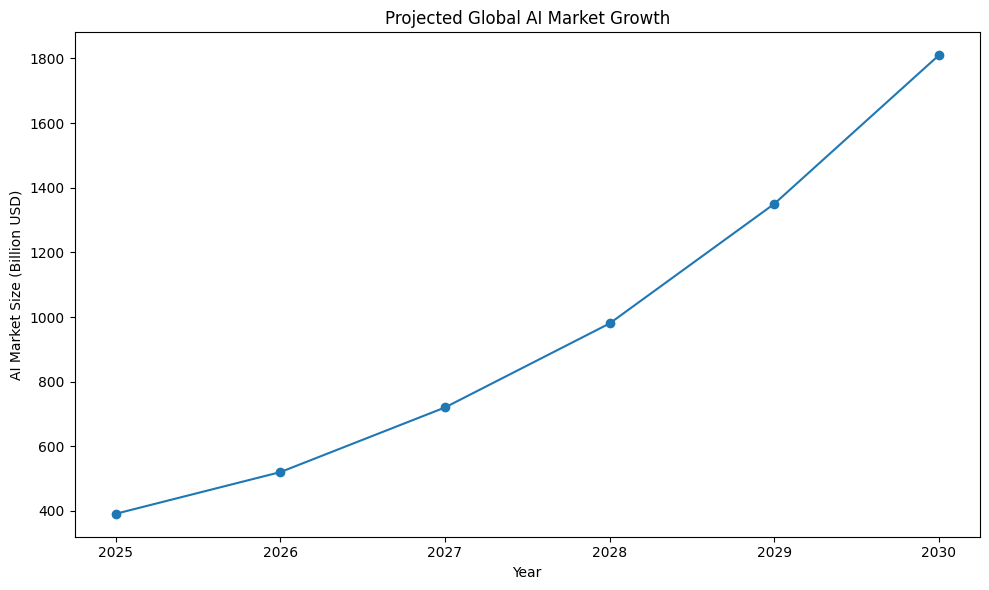
- With billions of ChatGPT prompts processed daily and growing AI search adoption, optimizing for AI assistants is becoming essential for future digital visibility.
The way people discover businesses online is undergoing one of the biggest transformations since the birth of search engines. For more than two decades, companies focused almost entirely on ranking in Google’s search results. Businesses invested heavily in keywords, backlinks, and technical optimization in order to secure one of the coveted “top 10 blue links.” But in 2026, the rules of visibility on the internet are rapidly evolving. Increasingly, users are turning to AI assistants like ChatGPT to ask questions, research products, and find services. Instead of scanning pages of search results, they receive a single, synthesized answer generated by artificial intelligence.

This shift is redefining what it means to “rank” online. In the world of AI-driven search, success is no longer about occupying the first position on a results page. Instead, the goal is to become one of the sources that AI systems rely on when generating answers. When a user asks a question such as “What are the best project management tools?” or “Which HR software should a startup use?”, the AI may summarize information from multiple websites and recommend specific companies. Being included in that response can drive massive visibility, brand recognition, and qualified traffic. In many cases, it can even outperform traditional search rankings because the AI answer often appears before any list of links.
This new discipline is often called Generative Engine Optimization (GEO) or Answer Engine Optimization (AEO). Unlike traditional SEO, which focuses on ranking pages in search engines, GEO focuses on getting your content cited or referenced by AI systems such as ChatGPT, Perplexity, Google AI Overviews, and other conversational search tools. When an AI engine produces an answer, it synthesizes information from multiple sources and presents a concise explanation rather than simply listing webpages. In this environment, the brands that are most frequently referenced become the new “top results.”
The rise of AI-powered search has been accelerated by a dramatic shift in user behavior. Millions of people now treat conversational AI tools as their first stop for research. Instead of typing fragmented keyword queries like “best CRM software 2026,” users are asking full questions such as “What is the best CRM for small businesses with under 10 employees?” AI systems are designed to interpret these questions, analyze relevant information, and provide a clear answer that feels like advice from an expert. As a result, businesses that are recognized by AI as credible sources can appear directly inside those answers.
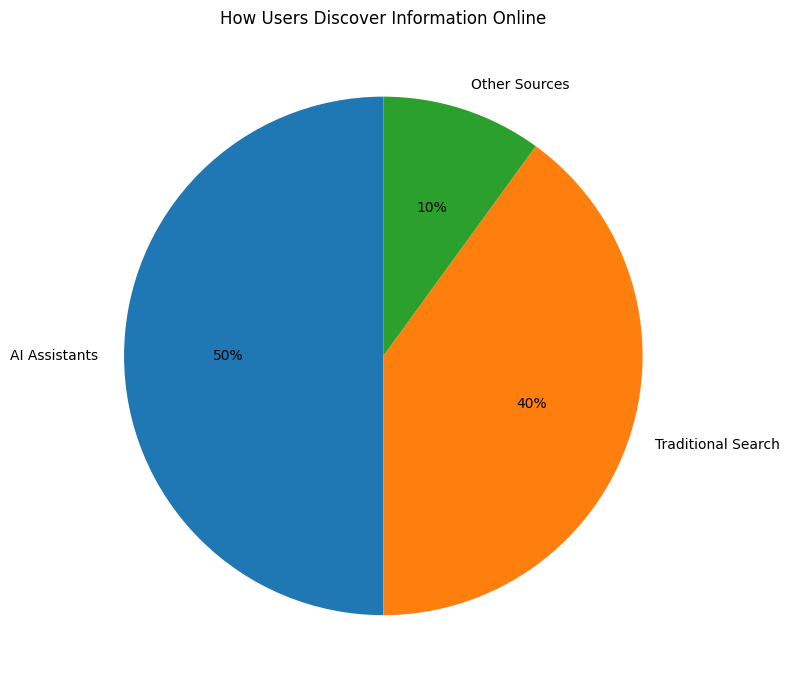
However, ranking in ChatGPT is not simply about publishing more blog posts or inserting the right keywords. AI models evaluate content very differently from traditional search engines. They look for signals that indicate authority, credibility, clarity, and relevance. Studies analyzing AI-generated citations show that established institutions, trusted publications, and authoritative websites are disproportionately referenced by AI systems. In other words, AI engines tend to rely on sources they perceive as trustworthy and knowledgeable within a specific topic area.
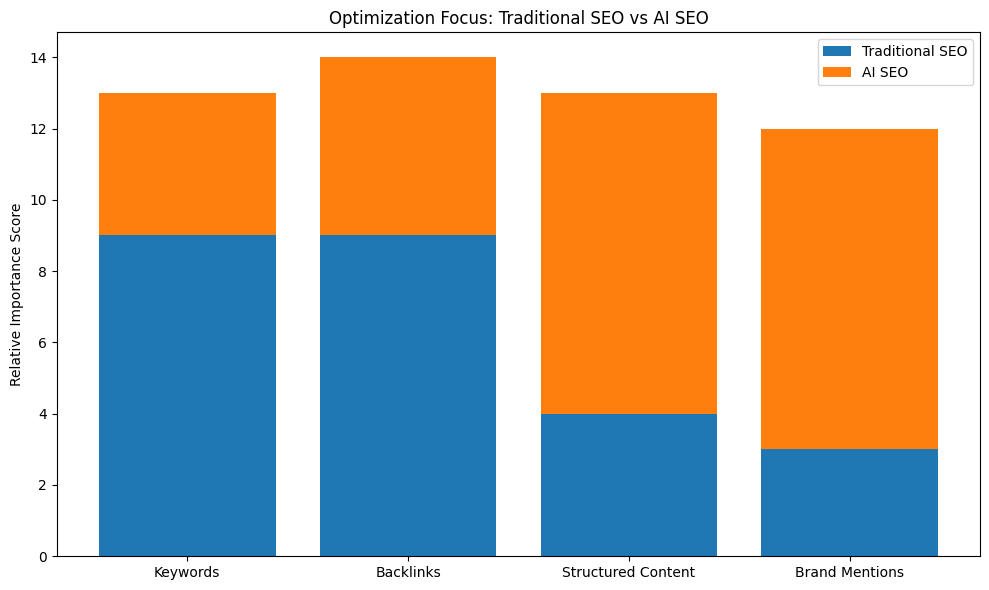
Another key difference between traditional SEO and AI visibility is the growing importance of earned media and third-party credibility. Research on generative search engines suggests that AI systems often favor independent mentions from external websites, news publications, and industry resources over purely brand-owned content. This means that your reputation across the internet—reviews, citations, press coverage, and expert references—can play a major role in determining whether an AI assistant recommends your business.
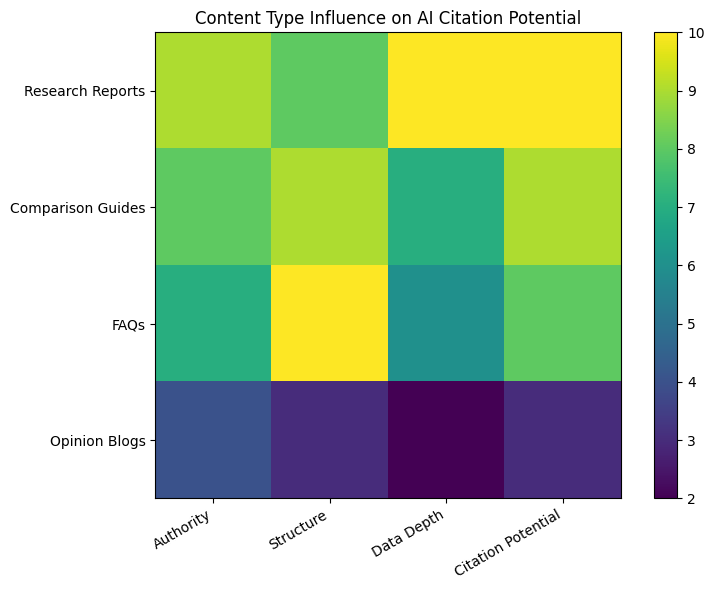
Content structure also matters. AI systems prefer information that is easy to interpret, summarize, and reuse in an answer. Pages that present clear explanations, logical headings, and accurate factual information are easier for AI engines to process and incorporate into their responses. In practice, this means businesses must rethink how they create content. Instead of writing purely for search algorithms, companies now need to produce material that AI systems can easily understand, verify, and reference.
For many organizations, this transformation represents both a challenge and an enormous opportunity. Companies that adapt quickly to the new AI search landscape can gain a powerful competitive advantage. When an AI assistant consistently recommends a specific brand, that company becomes the default solution in the user’s mind. On the other hand, businesses that ignore this shift may find themselves invisible in the places where modern consumers are actually looking for information.
Another important aspect of AI search visibility is that it often extends beyond traditional website rankings. AI systems can pull information from a wide range of sources, including blogs, news outlets, research publications, encyclopedic websites, and industry directories. Reports analyzing chatbot citations show that AI-generated answers frequently reference journalistic content and authoritative informational resources when responding to user questions. As a result, a company’s presence across the broader digital ecosystem can significantly influence whether it appears in AI-generated answers.
In practical terms, this means that ranking your business in ChatGPT requires a more holistic approach to digital visibility. Strong technical SEO still matters because AI systems often rely on well-structured web content. But it must be combined with brand authority, clear topic expertise, trustworthy information, and a digital footprint that demonstrates credibility across multiple platforms.
The concept of AI search optimization is still evolving, but one thing is already clear: the future of online discovery will be increasingly conversational. As AI assistants become integrated into browsers, mobile apps, operating systems, and productivity tools, they will play a larger role in how people choose products, services, and companies. Businesses that learn how to position themselves within these AI-generated answers will gain access to a new and rapidly growing channel of visibility.
This guide will explain exactly how that works. You will learn how ChatGPT and similar AI systems select the information they present, the signals they use to determine credibility, and the strategies that can increase your chances of being recommended in AI-generated responses. By understanding the principles of generative search and adapting your digital strategy accordingly, you can position your business to thrive in the next era of online discovery.
In the sections that follow, we will break down the core factors that influence AI recommendations and provide practical steps to help your business rank in ChatGPT in 2026 and beyond.
But, before we venture further, we like to share who we are and what we do.
About AppLabx
From developing a solid marketing plan to creating compelling content, optimizing for search engines, leveraging social media, and utilizing paid advertising, AppLabx offers a comprehensive suite of digital marketing services designed to drive growth and profitability for your business.
At AppLabx, we understand that no two businesses are alike. That’s why we take a personalized approach to every project, working closely with our clients to understand their unique needs and goals, and developing customized strategies to help them achieve success.
If you need a digital consultation, then send in an inquiry here.
Or, send an email to [email protected] to get started.
How to Rank Your Business in ChatGPT in 2026
- What Does “Ranking in ChatGPT” Actually Mean?
- How ChatGPT Chooses Which Businesses to Recommend
- Step-by-Step Strategy to Rank Your Business in ChatGPT
- 10 Practical Ways to Increase Your Chances of Being Recommended by ChatGPT
- AI SEO vs Traditional SEO: Key Differences
- Tools to Track Your Visibility in ChatGPT
- Common Mistakes That Prevent Businesses From Appearing in ChatGPT
- The Future of SEO: Optimizing for AI Assistants
1. What Does “Ranking in ChatGPT” Actually Mean?
Understanding what it means to “rank” in ChatGPT requires rethinking how online visibility works. Unlike traditional search engines that return a ranked list of links, generative AI systems produce direct answers synthesized from multiple sources. Businesses are therefore not competing for positions in a search results page; they are competing to become trusted sources that AI systems reference, summarize, or recommend when answering a user’s question.
The concept is commonly referred to as Generative Engine Optimization (GEO) or Answer Engine Optimization (AEO)—strategies designed to increase the likelihood that AI systems cite your brand or information when generating responses.
Below is a detailed explanation of what “ranking” in ChatGPT actually means, how it differs from traditional search rankings, and how visibility works in the AI-driven information ecosystem.
The Fundamental Shift: From Search Rankings to AI-Generated Answers
Traditional search engines present information through ranked search results pages (SERPs). Users must click a link to read the content. In contrast, ChatGPT and other AI assistants generate a single conversational answer that summarizes information from multiple sources.
Academic research on generative search shows that these systems fundamentally change the information retrieval process by moving from ranked lists of documents to synthesized answers built from multiple sources.
Key Differences Between Traditional Search and AI Search
| Dimension | Traditional Search Engines | AI Answer Engines (ChatGPT, Perplexity, AI Overviews) |
|---|---|---|
| Output format | Ranked list of links | Generated answer with summarized information |
| User behavior | Clicks through multiple results | Often receives answer without leaving the interface |
| Visibility metric | Ranking position (1–10) | Inclusion or citation inside the AI response |
| Optimization goal | Keyword ranking | AI citations, references, and brand mentions |
| Content consumption | Users read the source page | AI summarizes the information |
In other words, ranking in ChatGPT does not mean appearing first in a list. Instead, it means your content or brand is selected as one of the sources that inform the AI’s answer.
How AI Systems Decide What Information to Use
Large language models generate responses by combining learned knowledge with information retrieved from external sources. For content to appear in answers, it must be discoverable, credible, and easy for AI systems to interpret.
According to research on generative search systems, AI engines tend to prioritize:
- Trusted and authoritative websites
- Third-party editorial mentions
- Clear, structured information
- Verified factual data
- Topically relevant content
Studies comparing AI search systems with traditional search engines found that AI systems show a strong preference for “earned media” sources such as independent publications or credible references, rather than purely brand-owned content.
AI Source Selection Matrix
| Signal Category | What It Means | Example |
|---|---|---|
| Authority | Domain credibility and expertise in a topic | Academic sites, research institutions |
| Earned Media | Independent mentions from trusted sources | Media articles or industry reviews |
| Structured Content | Content organized clearly for machine reading | FAQs, tables, structured headings |
| Topical Expertise | Consistent coverage of a subject area | A SaaS blog focused on HR technology |
| Verified Data | Evidence-based information or research | Studies, statistics, or reports |
This means that a brand’s presence across the broader digital ecosystem—not just its own website—plays a major role in whether it appears in AI answers.
Why AI Search Visibility Matters for Businesses
The shift toward AI-generated answers is being driven by rapidly growing adoption of generative AI tools.
Key Statistics About AI Search Usage
| Metric | Data | Source |
|---|---|---|
| Weekly ChatGPT users | 900 million weekly users in 2026 | |
| Daily prompts processed | Over 2.5 billion requests per day | |
| Growth in prompts in 2025 | Nearly 70% increase in six months | |
| Users starting searches with AI | 37% of AI users begin searches with AI tools |
These numbers illustrate a major shift in information discovery. AI assistants are rapidly becoming a primary gateway for knowledge, product research, and business recommendations.
Additionally, analysts forecast that the rise of AI search could significantly reduce traditional search traffic. One industry forecast predicts a 25% decline in conventional search volume by 2026 due to AI-driven search interfaces.
For businesses, this means visibility in AI answers may soon become as important as ranking on Google.
What “Ranking” Looks Like in Practice
To understand AI visibility, consider how users interact with ChatGPT.
Example Query Scenario
A user asks:
“What are the best HR software platforms for startups?”
Instead of displaying ten links, the AI might generate a response like:
- “Some popular HR platforms for startups include Gusto, BambooHR, and Rippling.”
The brands included in this answer have effectively “ranked” in ChatGPT, even though no numerical ranking appears.
Example of AI Recommendation Structure
| User Query | AI Response Pattern | Business Visibility Outcome |
|---|---|---|
| “Best CRM for small business” | AI lists recommended CRM platforms | Included companies gain exposure |
| “How to improve team productivity” | AI references productivity tools | Mentioned tools gain brand awareness |
| “Top marketing automation software” | AI summarizes market leaders | Vendors mentioned become perceived experts |
In this model, being mentioned inside the AI answer becomes the new equivalent of ranking at the top of a search engine.
The Rise of “Zero-Click” Information
Another major implication of AI answers is the increase in zero-click information discovery.
Zero-click interactions occur when users obtain the information they need directly from the AI response without visiting external websites.
Research on AI-generated search summaries indicates that when AI answers appear, click-through rates to traditional webpages can drop by more than 34% on average.
Impact of AI Answers on User Behavior
| Search Interaction Type | User Behavior |
|---|---|
| Traditional search | User clicks multiple results |
| Featured snippet | User often reads answer then clicks |
| AI-generated answer | User often receives full answer immediately |
This trend means the brands referenced in AI answers receive disproportionate exposure, even if users never click a website.
How AI Search Changes the Competitive Landscape
The move toward AI answers also reshapes competition in digital visibility.
Traditional SEO allowed smaller websites to compete by targeting niche keywords. However, AI systems often rely on high-authority sources and widely referenced brands, creating a different competitive dynamic.
Research analyzing generative search systems found that AI answers often draw from a narrower set of sources compared with traditional search results, concentrating exposure among fewer publishers.
Visibility Concentration in AI Search
| Factor | Traditional Search | AI Search |
|---|---|---|
| Number of sources shown | 10+ results per page | Often 3–5 sources summarized |
| User click behavior | Multiple clicks | Often zero clicks |
| Source diversity | Higher | Often lower |
| Visibility concentration | Distributed | Concentrated among authoritative sources |
This dynamic increases the importance of authority, reputation, and recognition across the web.
How Generative Engine Optimization (GEO) Fits In
Because of these structural changes, a new optimization discipline has emerged.
Generative Engine Optimization is defined as the process of structuring and promoting content so that AI engines can discover, interpret, and cite it within generated answers.
Core Objectives of GEO
| Objective | Description |
|---|---|
| AI Discoverability | Ensuring AI systems can find your content |
| AI Interpretability | Structuring content so models can understand it |
| AI Citation | Increasing the probability your content is referenced |
| Brand Recognition | Establishing authority in your topic area |
Unlike traditional SEO, which focuses heavily on keyword ranking, GEO emphasizes authority signals, factual accuracy, and machine-readable information.
The Practical Definition of “Ranking in ChatGPT”
In practical terms, ranking in ChatGPT means achieving one or more of the following outcomes:
- Your brand is mentioned or recommended in AI answers
- Your website is cited as a source for generated responses
- Your data or insights are used to construct AI explanations
- Your company becomes part of AI-generated comparisons or lists
This visibility can occur across many query types, including:
- Product recommendations
- Industry comparisons
- Educational explanations
- How-to guides
- Market analysis
The businesses that appear repeatedly in these answers effectively become the AI-endorsed solutions within their category.
Summary: The New Definition of Ranking
The meaning of ranking in the AI era can be summarized in a simple framework.
| Traditional SEO Concept | AI Search Equivalent |
|---|---|
| Rank #1 on Google | Included in AI-generated answer |
| Featured snippet | Primary explanation in AI response |
| Backlink authority | Trusted citation source |
| Keyword targeting | Question-based relevance |
| Organic traffic | AI-driven brand exposure |
The transition from traditional search rankings to AI-generated answers marks one of the most significant shifts in the history of online discovery. Businesses that understand this new definition of visibility—and adapt their strategies accordingly—will be best positioned to appear in AI-driven recommendations in the years ahead.
2. How ChatGPT Chooses Which Businesses to Recommend
Artificial intelligence systems such as ChatGPT do not “rank” businesses in the traditional search-engine sense. Instead, they generate answers by analyzing large datasets and retrieving information from credible sources across the web. The businesses that appear in recommendations are typically those whose content, reputation, and information signals align with the AI’s evaluation of credibility, relevance, and authority.
Generative search engines rely on large language models combined with retrieval systems that gather information from multiple sources and synthesize it into a coherent answer.
Because of this process, businesses that consistently appear across trusted sources and provide clear, structured information are significantly more likely to be recommended.
The following sections explain the major factors that influence how ChatGPT selects businesses when responding to user queries.
Authority and Credibility Signals
One of the strongest determinants of whether a business is recommended is perceived authority within a specific topic area. AI systems tend to rely heavily on sources that demonstrate expertise and credibility across the web.
Research analyzing generative search engines shows that authoritative sources such as news outlets, academic websites, and well-established informational resources dominate the citations used in AI answers.
Another analysis of millions of AI citations found that nearly half of ChatGPT’s citations come from Wikipedia alone, with Reddit and major media publications also frequently referenced.
Authority Signal Categories
| Authority Signal | Description | Example |
|---|---|---|
| Domain authority | The overall trustworthiness of a website | Government sites, universities |
| Editorial credibility | Recognition by reputable publications | Forbes, TechRadar |
| Knowledge repositories | Large structured information platforms | Wikipedia |
| Community validation | Discussion or endorsement by users | Reddit threads or reviews |
| Academic research | Data-backed findings or studies | University research papers |
Example Scenario
If a user asks:
“What are the best budgeting apps for beginners?”
The AI is more likely to reference businesses that appear across credible publications such as financial magazines, review sites, and educational resources rather than lesser-known websites.
This happens because AI models prioritize sources that have established credibility signals across the internet.
Relevance to the User’s Question
Another critical factor is contextual relevance. AI systems interpret the user’s intent and select information that directly answers the query.
Generative AI systems prioritize content that is highly relevant to the question and provides clear explanations or solutions.
Unlike traditional search engines that rely heavily on keyword matching, AI models evaluate semantic meaning and contextual alignment.
Relevance Evaluation Framework
| Relevance Factor | How AI Evaluates It | Example |
|---|---|---|
| Topic alignment | Whether the source directly addresses the question | HR software blog answering HR queries |
| Semantic context | Whether the information matches user intent | Startup HR software vs enterprise HR software |
| Query specificity | How closely the source matches the query type | “Best free tools” vs “enterprise tools” |
| Informational depth | Whether the answer provides meaningful explanation | Detailed comparison vs brief mention |
Example Query
User query:
“Which HR software is best for small startups?”
AI evaluation process:
| Evaluation Step | AI Decision |
|---|---|
| Identify topic | HR software |
| Determine audience | Small startups |
| Search for sources | Industry comparisons, software reviews |
| Extract recommendations | Tools mentioned frequently |
The businesses most commonly associated with that context become likely candidates for recommendation.
Citation Frequency and Brand Presence
A key factor in AI recommendations is how frequently a business appears across trusted sources.
AI visibility research describes this as citation frequency—the number of times a brand appears in AI-generated answers for relevant queries.
Brands that are consistently referenced across authoritative websites become strongly associated with certain topics in AI models.
Citation Influence Matrix
| Citation Frequency | AI Interpretation | Business Impact |
|---|---|---|
| High frequency across trusted sources | Strong authority signal | Frequently recommended |
| Moderate presence | Emerging relevance | Occasional recommendations |
| Minimal presence | Weak association | Rarely recommended |
Example
Suppose three project management tools are mentioned across the web:
| Tool | Media Mentions | Reviews | Industry Lists | Likelihood of AI Recommendation |
|---|---|---|---|---|
| Tool A | High | High | High | Very High |
| Tool B | Moderate | High | Moderate | Medium |
| Tool C | Low | Low | Low | Very Low |
AI models tend to recommend Tool A more often because the brand appears consistently across credible sources.
Structured and Machine-Readable Content
AI systems rely heavily on structured information that is easy to interpret.
Generative engines favor content that is well organized, clearly structured, and easy to parse.
This includes:
- Clear headings and sections
- FAQ-style answers
- Tables and structured comparisons
- Verified statistics
Structured information allows AI systems to extract key facts more easily.
Content Structure Evaluation
| Content Type | AI Interpretability | Recommendation Likelihood |
|---|---|---|
| Structured guides | High | High |
| Research reports | High | High |
| Unstructured opinion posts | Medium | Medium |
| Thin content | Low | Low |
Example
Two articles discussing the same product:
| Article Type | Characteristics | AI Preference |
|---|---|---|
| Structured guide | Sections, tables, comparisons | High |
| Short blog opinion | Narrative only | Low |
The structured guide is more likely to be cited.
Freshness and Information Updates
AI systems also consider whether information is current and updated.
Content that is frequently updated and reflects recent developments tends to be prioritized because it is more likely to provide accurate information.
Recency Evaluation
| Content Age | AI Perception | Recommendation Impact |
|---|---|---|
| Updated within last year | Current | Strong |
| 1–3 years old | Possibly outdated | Moderate |
| Over 5 years old | Likely outdated | Weak |
Example
If a user asks:
“What are the best CRM platforms in 2026?”
An AI system will likely prioritize sources that mention recent product features, pricing updates, and industry changes.
Trust and Verifiability of Information
AI systems also evaluate whether the information used to generate answers is verifiable.
Studies analyzing generative search engines show that citations significantly increase user trust in AI-generated answers, even when users do not verify the source themselves.
However, research also shows that only about 51.5% of generated sentences are fully supported by citations, highlighting the importance of trustworthy sources.
Trust Signal Framework
| Trust Signal | Description | Impact |
|---|---|---|
| Source citations | References to credible publications | High |
| Data-backed claims | Statistics or research studies | High |
| Author expertise | Recognized specialists | Medium |
| Community consensus | Widely accepted recommendations | Medium |
Businesses that provide well-documented data and credible references are therefore more likely to appear in AI responses.
Cross-Platform Brand Recognition
AI models often learn associations between brands and topics through repeated mentions across multiple platforms.
This includes:
- News articles
- blogs and industry publications
- review platforms
- forums and community discussions
Research on generative search engines shows that citations concentrate among a relatively small set of widely recognized sources, indicating that repeated exposure across the web significantly increases visibility.
Brand Visibility Ecosystem
| Platform Type | Role in AI Recognition |
|---|---|
| News media | Establish credibility |
| Industry blogs | Provide topical authority |
| Forums | Reflect user discussions |
| Research publications | Provide factual support |
The more frequently a business appears across these platforms, the stronger its association with relevant topics becomes.
Summary: Core Signals That Influence AI Recommendations
The process by which ChatGPT recommends businesses can be summarized through the following matrix.
AI Recommendation Signal Matrix
| Signal | Description | Relative Influence |
|---|---|---|
| Authority | Credibility and reputation of sources | Very High |
| Citation frequency | Brand mentions across trusted sources | Very High |
| Relevance | Alignment with user query | High |
| Structured content | Machine-readable formatting | High |
| Freshness | Recency of information | Medium |
| Verifiability | Presence of data and citations | Medium |
Businesses that consistently perform well across these dimensions are significantly more likely to be recommended by AI systems when users ask questions related to their products or services.
3. Step-by-Step Strategy to Rank Your Business in ChatGPT
Ranking in ChatGPT requires a strategic approach known as Generative Engine Optimization (GEO)—the practice of optimizing content and digital presence so that AI systems can discover, interpret, and cite your information in generated answers. Unlike traditional SEO, where the goal is to rank webpages in search results, GEO focuses on ensuring your brand becomes a trusted source used by AI answer engines such as ChatGPT, Gemini, and Perplexity.
Generative AI search engines retrieve and synthesize information from multiple sources before generating answers. Businesses therefore must optimize both content structure and reputation signals to increase their chances of being cited in AI responses.
The following framework outlines a comprehensive strategy to increase the likelihood that your business appears in AI-generated recommendations.
Build a Strong Traditional SEO Foundation
Although generative search represents a new paradigm, traditional SEO still plays a critical role in visibility. AI systems frequently retrieve information from search indexes and high-ranking pages.
Generative engine optimization is widely described as an evolution of SEO rather than a replacement, meaning technical optimization and high-quality content remain foundational.
Core SEO Infrastructure for AI Visibility
| SEO Component | Why It Matters for ChatGPT Visibility |
|---|---|
| Technical SEO | Ensures pages can be crawled and indexed |
| Page speed | Faster pages improve content accessibility |
| Structured headings | Helps AI interpret content hierarchy |
| Internal linking | Reinforces topical authority |
| Mobile optimization | Improves usability and indexing |
Example
Consider a software company publishing a guide titled:
“Best HR Software for Remote Teams”
If the page has strong SEO signals—fast loading speed, optimized headings, structured content, and authoritative backlinks—it becomes more discoverable by both search engines and AI systems.
SEO Impact Matrix
| SEO Strength | AI Discovery Probability |
|---|---|
| High authority + strong technical SEO | Very high |
| Medium authority + optimized content | Moderate |
| Weak technical SEO | Low |
Create AI-Friendly Content That Is Easy to Extract
One of the most important factors influencing AI citations is content extractability—how easily AI systems can parse and reuse information from a page.
AI answer engines prioritize content that is clear, structured, and directly answers questions.
Characteristics of AI-Optimized Content
| Content Attribute | AI Benefit |
|---|---|
| Clear headings | Helps models identify topic segments |
| Direct answers | Improves answer extraction |
| Tables and comparisons | Facilitates summarization |
| Fact-based statements | Enhances credibility |
| Concise explanations | Easier for models to reuse |
Example Structure
An AI-optimized article about project management software might include:
- Quick answer section summarizing recommendations
- Feature comparison table
- Pricing breakdown
- Pros and cons
Content Structure Example
| Section Type | AI Extraction Value |
|---|---|
| FAQ answers | Very high |
| Step-by-step guides | High |
| Narrative storytelling | Medium |
| Opinion pieces | Low |
The easier it is for an AI system to extract and summarize information from your page, the higher the probability it will appear in generated responses.
Establish Clear Topical Authority
Topical authority refers to how strongly a brand is associated with a specific subject across its content ecosystem.
AI search engines evaluate semantic relevance and entity associations when deciding which sources to use in answers.
Topical Authority Framework
| Authority Signal | Description |
|---|---|
| Content clusters | Multiple pages covering related topics |
| Expert insights | Evidence of specialized knowledge |
| Data-driven research | Original statistics or reports |
| Consistent publishing | Regular updates in a topic area |
Example
A cybersecurity company that publishes content such as:
- SOC 2 compliance guides
- Cloud security frameworks
- Cyber risk assessments
will be more likely to appear in AI responses to queries such as:
“How do companies prepare for SOC 2 compliance?”
because the AI associates the brand with that domain expertise.
Authority Depth Matrix
| Content Coverage | AI Authority Perception |
|---|---|
| Single article | Weak |
| Multiple related articles | Moderate |
| Comprehensive topic coverage | Strong |
Earn Mentions on Third-Party Websites
Research on generative search engines shows a strong preference for earned media (third-party mentions) over purely brand-owned content.
This means that recognition across credible publications significantly increases the likelihood of being cited by AI.
Types of High-Value Mentions
| Source Type | AI Authority Impact |
|---|---|
| News publications | Very high |
| Industry blogs | High |
| Research reports | High |
| Community forums | Moderate |
| Social media | Low |
Example
A SaaS product mentioned in:
- technology review sites
- startup recommendation lists
- industry reports
will have stronger AI visibility than a product mentioned only on its own website.
Brand Visibility Score Model
| Brand Presence | AI Recommendation Probability |
|---|---|
| Widely cited across media | Very high |
| Limited external mentions | Moderate |
| Only self-published content | Low |
Provide Verifiable Data and Statistics
AI systems prioritize fact-based content supported by verifiable information.
Content containing statistics, research findings, and documented evidence is more likely to be used in AI-generated answers.
Data-Driven Content Types
| Content Type | Citation Potential |
|---|---|
| Original research | Very high |
| Industry reports | High |
| Case studies | High |
| Opinion articles | Low |
Example
A marketing platform publishing a report such as:
“Email Marketing Benchmarks for SaaS Companies”
with detailed statistics and methodology has a strong chance of being cited in AI answers related to email marketing performance.
Data Authority Matrix
| Evidence Level | AI Trust Score |
|---|---|
| Peer-reviewed or research-based | Very high |
| Survey or case study data | High |
| Anecdotal evidence | Low |
Optimize for Conversational Queries
Users interact with ChatGPT differently from traditional search engines. Instead of short keywords, they typically ask natural language questions.
Generative engines interpret these conversational queries and match them to content that provides complete explanations.
Example Queries
Traditional search query:
“best CRM software”
AI conversational query:
“What CRM tools are best for small businesses with limited budgets?”
Query Optimization Framework
| Query Type | Content Strategy |
|---|---|
| Informational | Educational guides |
| Comparison | Feature tables |
| Problem solving | Step-by-step tutorials |
| Recommendations | Lists and rankings |
Businesses that structure content around real user questions increase their chances of appearing in AI responses.
Use Structured Data and Metadata
Structured information improves how AI systems interpret web content.
Search-augmented generative engines can utilize schema markup, metadata, and structured formats when retrieving information.
Important Structured Data Types
| Schema Type | Purpose |
|---|---|
| FAQ schema | Highlights question-answer content |
| Organization schema | Defines brand identity |
| Product schema | Provides structured product details |
| Review schema | Displays ratings and feedback |
Structured Data Benefit Matrix
| Implementation Level | AI Interpretability |
|---|---|
| No structured data | Low |
| Basic schema | Moderate |
| Comprehensive structured data | High |
Continuously Monitor AI Visibility
Ranking in generative engines is dynamic. Businesses must track how frequently they appear in AI responses.
Key Metrics to Track
| Metric | Description |
|---|---|
| AI citations | How often your brand appears in AI answers |
| Topic coverage | Number of queries your brand appears for |
| competitor presence | Brands appearing in similar answers |
| sentiment analysis | Tone of AI references |
Example Monitoring Process
- Ask AI systems common industry questions
- Record recommended companies
- Identify recurring brands
- Analyze their content and authority signals
This process helps businesses identify gaps in AI visibility and refine their optimization strategy.
Strategic GEO Framework Summary
The complete strategy for ranking in ChatGPT can be summarized in the following matrix.
Generative Engine Optimization Strategy Matrix
| Strategy Area | Core Goal | Key Actions |
|---|---|---|
| SEO foundation | Improve discoverability | Technical SEO and backlinks |
| Content optimization | Improve AI extraction | Structured content and clear answers |
| Topical authority | Strengthen expertise | Content clusters and research |
| External credibility | Build trust signals | Media mentions and reviews |
| Data credibility | Increase trust | Statistics and case studies |
| Conversational alignment | Match AI queries | Question-based content |
| Structured data | Improve machine readability | Schema markup |
| Visibility monitoring | Track AI exposure | Citation analysis |
Strategic Takeaway
Generative search has fundamentally transformed how businesses gain visibility online. Instead of competing for ranking positions in search results, companies must now compete to become trusted information sources used by AI systems when generating answers.
Businesses that combine strong SEO foundations, authoritative content, external credibility, and structured information are significantly more likely to appear in AI-generated recommendations. As AI assistants continue to become a dominant gateway to information, mastering generative engine optimization will be essential for maintaining digital visibility in the years ahead.
4. 10 Practical Ways to Increase Your Chances of Being Recommended by ChatGPT
Being recommended by ChatGPT or other generative AI search engines requires more than traditional search engine optimization. AI systems generate responses by retrieving, evaluating, and synthesizing information from many sources across the web. Businesses that appear frequently in these responses typically have strong authority signals, structured content, and cross-platform credibility.
In AI-driven search environments, visibility depends largely on citations and mentions inside generated answers, which function as the equivalent of rankings in traditional search results.
Research analyzing hundreds of thousands of AI citations also shows that product-focused and informational content accounts for roughly 46%–70% of all sources referenced by AI search engines, highlighting the importance of clear product and solution content.
The following practical strategies are designed to maximize the likelihood that your business becomes one of the sources AI systems rely on when generating recommendations.
Publish Deep, Authoritative Content in Your Niche
One of the most important factors influencing AI recommendations is topical authority. AI systems tend to prefer content that demonstrates deep knowledge of a subject area.
Generative search research shows that AI engines rely heavily on authoritative and well-structured information sources when generating responses.
Characteristics of High-Authority Content
| Content Attribute | Impact on AI Visibility |
|---|---|
| Long-form educational content | High |
| Industry research and insights | Very High |
| Generic short articles | Moderate |
| Thin or superficial pages | Low |
Example
A cybersecurity company publishing comprehensive guides such as:
- “Complete SOC 2 Compliance Checklist”
- “Enterprise Cloud Security Best Practices”
is more likely to be referenced by AI when users ask questions about compliance or cybersecurity frameworks.
Authority Depth Matrix
| Content Coverage | AI Authority Perception |
|---|---|
| Single isolated article | Weak |
| Topic cluster with multiple guides | Moderate |
| Comprehensive knowledge hub | Strong |
Build Strong Brand Mentions Across Trusted Websites
Generative search engines rely heavily on earned media—mentions from independent publications, blogs, and review platforms.
Large-scale analysis of generative search engines found that they show a strong preference for third-party authoritative sources over brand-owned content.
High-Value External Mentions
| Platform Type | Influence on AI Recommendations |
|---|---|
| News publications | Very High |
| Industry review sites | High |
| Expert blogs | High |
| Social media mentions | Low |
Example
A SaaS tool listed in:
- “Top HR Tools for Startups” on technology blogs
- comparison reviews on software directories
is significantly more likely to appear in AI recommendations.
Optimize Content for AI Citations
In AI search ecosystems, citations are the new currency of visibility.
AI engines often include clickable references to sources that informed their generated answers.
Citation Optimization Checklist
- Provide clearly stated facts and definitions
- Include authoritative sources and references
- Use structured headings and concise explanations
- Ensure claims are verifiable
Citation Likelihood Matrix
| Content Quality | Citation Probability |
|---|---|
| Evidence-based research | Very High |
| Detailed expert guides | High |
| Generic marketing copy | Low |
Create Product and Solution Content
AI systems frequently recommend specific tools or services in response to user queries.
A large-scale analysis of AI search citations found that product-related content accounts for up to 70% of sources referenced in AI responses.
Example Queries
Users frequently ask questions such as:
- “What is the best CRM for startups?”
- “Which project management tool should small teams use?”
Businesses with detailed product pages, comparison articles, and solution guides are far more likely to be recommended.
Product Content Types
| Content Type | Recommendation Potential |
|---|---|
| Product comparison pages | Very High |
| Feature breakdowns | High |
| Pricing guides | High |
| Promotional landing pages | Moderate |
Structure Content for Machine Readability
AI systems prioritize information that is easy to parse and summarize.
Content with clear headings, structured sections, and logical organization improves the likelihood that AI engines extract key information.
Machine-Readable Content Elements
| Element | Benefit |
|---|---|
| Structured headings | Improves topic recognition |
| Tables and comparison charts | Simplifies data extraction |
| FAQs | Matches conversational queries |
| Lists and summaries | Easy AI summarization |
Example
Instead of writing a long narrative article, structure the page like:
- Quick summary
- Comparison table
- Detailed feature breakdown
This format significantly improves extractability.
Focus on Conversational Search Queries
Users interact with AI systems differently from traditional search engines. Queries are typically longer and conversational.
For example:
| Traditional Search | AI Search Query |
|---|---|
| “best CRM” | “What CRM software is best for small businesses with limited budgets?” |
| “email marketing tools” | “Which email marketing tools are best for startups?” |
Creating content that answers these natural-language questions increases the likelihood of being referenced.
Maintain High Content Freshness
AI systems also evaluate the recency of information when selecting sources.
Up-to-date content signals reliability and accuracy.
Content Freshness Model
| Content Age | AI Preference |
|---|---|
| Updated within last year | High |
| 2–3 years old | Moderate |
| Older than 5 years | Low |
Example
A regularly updated guide such as:
“Best CRM Software in 2026”
is more likely to be used in AI responses than an outdated article from several years ago.
Build Data-Driven Content With Research and Statistics
AI systems often prioritize factual information backed by data.
Including verified statistics and research increases credibility and citation potential.
High-Value Data Content
| Content Type | AI Citation Potential |
|---|---|
| Industry benchmark reports | Very High |
| Surveys and case studies | High |
| Market trend analysis | High |
| Opinion pieces | Low |
Example
A marketing platform publishing a study on:
“Email Marketing Conversion Rates by Industry”
may be cited in AI responses discussing email performance benchmarks.
Improve Domain Authority and Website Trust
Although AI systems generate answers independently of search rankings, websites with stronger authority signals still perform better.
Research indicates that websites with greater organic visibility and authority are more frequently mentioned in AI search responses.
Authority Signal Indicators
| Signal | Influence |
|---|---|
| Backlinks from trusted websites | High |
| Industry recognition | High |
| Brand search volume | Moderate |
| Social media presence | Low |
Building credibility across the web strengthens AI trust signals.
Track AI Mentions and Citation Frequency
Monitoring AI visibility is essential to improving performance.
AI citation tracking tools analyze how frequently a brand appears in AI responses across different platforms.
Key Metrics to Monitor
| Metric | Description |
|---|---|
| Citation frequency | How often AI references your content |
| Topic coverage | Queries where your brand appears |
| Competitor mentions | Brands appearing in similar answers |
| Sentiment analysis | How AI describes your brand |
Example Monitoring Process
- Ask AI systems common industry questions
- Record which brands appear in recommendations
- Compare citation frequency across competitors
- Optimize content gaps
Optimize for Multiple AI Platforms
Different generative search engines show varying citation patterns.
Research shows that AI engines reference multiple sources per response, with averages ranging from roughly 2.6 citations in ChatGPT responses to over 6 citations in some other AI systems.
This means businesses should optimize for visibility across:
- ChatGPT
- Google AI Overviews
- Perplexity
- Gemini
Multi-Platform Visibility Matrix
| Platform | Average Citations per Response |
|---|---|
| ChatGPT | ~2.6 |
| Google Gemini | ~6 |
| Perplexity | ~6.6 |
A broader presence across the web increases the probability of being included in at least one of the sources used by AI systems.
Summary Matrix: Practical Ways to Increase ChatGPT Recommendations
| Strategy | Primary Goal | Impact Level |
|---|---|---|
| Publish authoritative content | Build topical expertise | Very High |
| Earn third-party mentions | Increase credibility | Very High |
| Optimize for AI citations | Improve visibility | High |
| Create product and solution pages | Capture recommendation queries | High |
| Structure content for AI parsing | Improve extractability | High |
| Target conversational queries | Match user behavior | Medium |
| Maintain fresh content | Ensure accuracy | Medium |
| Publish research and statistics | Increase trust signals | Medium |
| Strengthen domain authority | Build credibility | Medium |
| Track AI citation metrics | Improve optimization strategy | Medium |
Strategic Takeaway
The rise of AI-driven search has transformed how businesses achieve visibility online. Instead of competing solely for search engine rankings, companies must now compete to become trusted information sources that AI systems rely on when generating answers.
Businesses that invest in authoritative content, external credibility, structured information, and data-driven insights are far more likely to be recommended by ChatGPT and other generative AI search engines. As AI assistants increasingly mediate how users discover information, mastering these strategies will be essential for maintaining digital visibility in the evolving search landscape.
5. AI SEO vs Traditional SEO: Key Differences
The emergence of generative AI systems such as ChatGPT, Gemini, and Perplexity has fundamentally transformed how users discover information online. Traditional search engines rely on ranking algorithms that present users with lists of links, whereas AI-driven search systems generate direct, synthesized answers based on multiple sources. This transformation has led to the rise of AI SEO, often referred to as Generative Engine Optimization (GEO) or Answer Engine Optimization (AEO).
Research shows that generative AI search engines are shifting the information retrieval model from ranked lists of web pages to synthesized responses that cite sources, forcing businesses to rethink how they approach digital visibility.
Understanding the differences between AI SEO and traditional SEO is essential for organizations aiming to maintain visibility in the evolving search ecosystem.
The Core Conceptual Difference Between AI SEO and Traditional SEO
Traditional SEO focuses on improving the ranking of webpages within search engine results pages (SERPs). AI SEO, by contrast, focuses on ensuring that a brand’s information becomes part of AI-generated responses.
Generative AI search engines gather information from multiple sources, analyze the context of a query, and synthesize an answer rather than simply listing links.
Core Concept Comparison
| Dimension | Traditional SEO | AI SEO (Generative Engine Optimization) |
|---|---|---|
| Search output | Ranked list of links | Generated answer with cited sources |
| Visibility metric | Position on SERP | Inclusion in AI response |
| User interaction | Users click multiple results | Users often read a single AI answer |
| Optimization target | Search engine ranking algorithms | AI retrieval and response generation |
| Content usage | Users read full pages | AI extracts key insights |
Example Scenario
User query:
“Best CRM software for small businesses”
Traditional search results:
- Ten links to blog posts and product pages
- User must compare and evaluate results
AI search response:
- AI generates a paragraph summarizing recommended tools
- A few sources are cited to support the answer
In this scenario, companies cited within the AI answer effectively “rank,” even though no SERP exists.
How Information Retrieval Works in Each Model
The technical architecture behind traditional search engines and AI search systems differs significantly.
Traditional search engines use algorithms that evaluate pages based on signals such as backlinks, keyword relevance, and page authority. AI search engines combine retrieval mechanisms with large language models to generate responses based on context and semantic understanding.
Information Retrieval Architecture
| Process Stage | Traditional SEO Workflow | AI SEO Workflow |
|---|---|---|
| Query processing | Keyword interpretation | Intent and semantic analysis |
| Content retrieval | Index-based document ranking | Retrieval of relevant sources |
| Response format | Ranked links | Synthesized explanation |
| User decision | Select which link to click | Read AI answer |
Retrieval Model Differences
| Feature | Traditional Search Engines | AI Search Engines |
|---|---|---|
| Ranking algorithm | PageRank, keyword relevance | LLM-driven synthesis |
| Query interpretation | Keyword matching | Natural language understanding |
| Result diversity | 10+ links | Often 3–5 cited sources |
| Output format | Search results page | Conversational response |
These differences explain why businesses must optimize not only for ranking algorithms but also for AI citation likelihood.
Differences in Optimization Strategies
The optimization strategies used in traditional SEO and AI SEO differ significantly in focus and execution.
Traditional SEO techniques emphasize keyword optimization, link building, and technical website performance. AI SEO prioritizes structured information, contextual relevance, and authoritative sources.
Optimization Strategy Comparison
| Strategy Area | Traditional SEO | AI SEO |
|---|---|---|
| Keyword targeting | Core ranking signal | Secondary signal |
| Backlinks | Major ranking factor | Indirect authority signal |
| Content structure | Helpful but not essential | Critical for AI extraction |
| Brand mentions | Helpful | Strong credibility signal |
| Third-party references | Optional | Highly influential |
Research comparing generative search engines with traditional search systems found that AI engines show a strong preference for third-party authoritative sources (earned media) when generating responses.
Differences in User Behavior and Search Intent
User behavior also differs dramatically between traditional search and AI search.
Traditional search requires users to evaluate multiple pages before finding an answer. AI search reduces friction by delivering immediate, synthesized information.
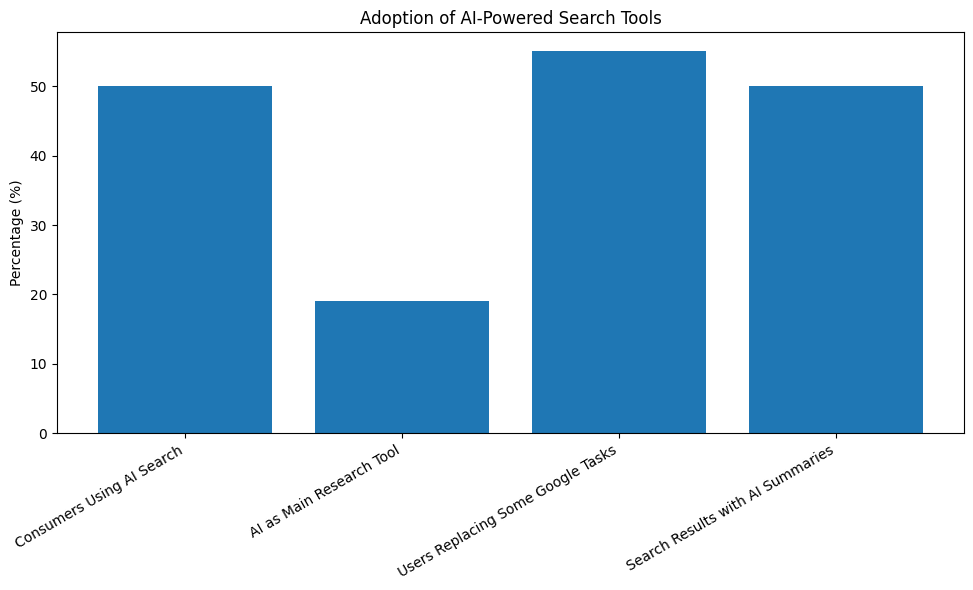
Recent research indicates that about half of consumers already use AI-powered search tools, demonstrating a rapid shift in search behavior.
Search Behavior Comparison
| Behavior Pattern | Traditional Search | AI Search |
|---|---|---|
| Query style | Short keywords | Conversational questions |
| Interaction flow | Multiple clicks | Single answer |
| Time to answer | Longer | Instant |
| Information depth | Requires reading multiple pages | Summarized explanation |
Example Queries
| Traditional Search Query | AI Query |
|---|---|
| “best email marketing tool” | “Which email marketing tools are best for startups?” |
| “SEO checklist” | “What steps should a beginner follow to improve SEO?” |
| “HR software comparison” | “Which HR software is best for a small startup?” |
Because AI queries are more conversational, content must focus on complete answers rather than isolated keywords.
Differences in Performance Metrics
The metrics used to measure success differ significantly between the two models.
Traditional SEO focuses on metrics related to website traffic and search rankings. AI SEO emphasizes citation frequency, answer inclusion, and brand visibility within AI responses.
Performance Metrics Comparison
| Metric | Traditional SEO | AI SEO |
|---|---|---|
| Keyword ranking | Primary KPI | Less relevant |
| Organic traffic | Core metric | Secondary metric |
| Click-through rate | Key indicator | Often reduced |
| AI citations | Not relevant | Core visibility metric |
| Brand mentions in AI responses | Not tracked | Critical signal |
AI-generated search responses are also contributing to the rise of zero-click search behavior, where users obtain answers without visiting external websites. This trend has already increased the share of zero-click queries in some search environments to nearly 69%.
Content Strategy Differences
Content strategies must adapt to the requirements of generative AI systems.
Traditional SEO strategies often focus on ranking individual pages. AI SEO strategies prioritize content that can be easily extracted and summarized by AI models.
Content Strategy Comparison
| Content Type | Traditional SEO Value | AI SEO Value |
|---|---|---|
| Long blog posts | High | High if structured |
| Product pages | Moderate | High |
| FAQ pages | Moderate | Very high |
| Data-driven reports | High | Very high |
AI systems frequently cite information that is structured, factual, and easy to summarize, such as tables, definitions, and step-by-step guides.
Timeline and Speed of Results
Another important difference is the time required to see results from optimization efforts.
Traditional SEO strategies often take months before rankings change because search engines must crawl, index, and evaluate pages. AI-optimized content can sometimes appear in generated answers more quickly if it becomes relevant to queries and accessible to AI retrieval systems.
Optimization Timeline Comparison
| Optimization Type | Time to See Results |
|---|---|
| Traditional SEO ranking improvements | Several months |
| AI citation visibility | Potentially weeks |
This difference occurs because some AI systems retrieve information dynamically when generating responses.
Strategic Overlap Between AI SEO and Traditional SEO
Despite their differences, AI SEO and traditional SEO are not mutually exclusive. Most successful strategies combine elements of both.
Integrated SEO Strategy Model
| Strategy Layer | Role |
|---|---|
| Technical SEO | Enables discoverability |
| Content SEO | Builds authority |
| AI SEO (GEO/AEO) | Increases AI citations |
Businesses that maintain strong traditional SEO while also optimizing for AI systems can maximize visibility across both environments.
Strategic Matrix: AI SEO vs Traditional SEO
| Dimension | Traditional SEO | AI SEO |
|---|---|---|
| Discovery model | Search ranking | AI response generation |
| Output format | Link list | Synthesized answer |
| Visibility metric | SERP position | AI citations |
| Optimization focus | Keywords and backlinks | authority and structured content |
| User behavior | Click-based navigation | Direct answer consumption |
| Performance measurement | Traffic and rankings | AI mentions and citations |
Strategic Takeaway
The rise of generative AI search engines represents one of the most significant changes in the history of online discovery. Instead of competing solely for positions in a list of search results, businesses must now compete to become trusted sources that AI systems rely on when generating answers.
Organizations that integrate traditional SEO best practices with emerging AI optimization strategies will be best positioned to maintain visibility in both search ecosystems as AI-driven discovery continues to expand.
6. Tools to Track Your Visibility in ChatGPT
Tracking visibility in ChatGPT and other AI search systems has become an essential part of modern digital marketing and Generative Engine Optimization (GEO). Unlike traditional search engines that display ranked lists of results, AI systems generate answers by synthesizing information from multiple sources. Because of this, visibility is measured not by page position but by how often a brand, website, or source is mentioned or cited within AI responses.
AI visibility tracking tools help marketers monitor how frequently their brand appears in AI-generated answers, which prompts trigger those mentions, and how competitors are represented. These platforms execute queries across AI chatbots such as ChatGPT, Gemini, Claude, and Perplexity to detect brand mentions, citations, and answer inclusion patterns.
The following sections explore the most important categories of tools used to track ChatGPT visibility and how businesses can leverage them to improve their AI search performance.
AI Visibility Tracking Platforms
AI visibility tracking platforms are designed specifically for monitoring brand mentions and citations across generative search systems.
These tools simulate real user prompts and record whether your brand appears in AI-generated responses, allowing marketers to analyze AI share of voice and citation frequency.
Key Functions of AI Visibility Tracking Platforms
| Feature | Purpose |
|---|---|
| AI citation tracking | Detects whether your domain is cited in responses |
| Brand mention monitoring | Identifies when your brand is referenced |
| Prompt-level analysis | Shows which queries trigger your appearance |
| Competitive benchmarking | Compares visibility against competitors |
| Sentiment analysis | Evaluates how AI describes your brand |
Example Platforms
| Tool | Core Capability |
|---|---|
| Wellows ChatGPT Visibility Tracker | Measures how often a brand appears in ChatGPT answers |
| Otterly.AI | Tracks brand mentions across multiple AI search engines |
| LLMClicks AI Visibility Tracker | Monitors AI mentions and citation links |
| AIclicks | Identifies prompts that trigger AI recommendations |
The Wellows ChatGPT visibility tracker, for example, analyzes a domain and runs dozens of intent-based queries to determine how frequently a brand appears in ChatGPT responses.
Otterly.AI provides automated monitoring across platforms including ChatGPT, Google AI Overviews, Perplexity, Gemini, and Copilot, allowing companies to track citations and brand mentions across the generative search ecosystem.
Generative Engine Optimization Analytics Platforms
Another category of tools focuses on GEO analytics, which measure how well a brand performs within AI search environments.
These platforms collect data from multiple AI engines and analyze patterns in citations, sources, and topic coverage.
Core GEO Metrics
| Metric | Description |
|---|---|
| Citation frequency | How often AI cites your content |
| Brand mention rate | How often your brand name appears |
| AI share of voice | Your visibility compared with competitors |
| Topic authority score | How strongly AI associates your brand with a topic |
Example GEO Analytics Platforms
| Platform | Functionality |
|---|---|
| Peec AI | Tracks brand visibility and source citations |
| Profound | Analyzes how AI systems interpret your brand |
| Keyword.com AI Tracker | Monitors cross-engine AI visibility |
Peec AI allows marketers to create dashboards that track both brand mentions and source citations, distinguishing between cases where the AI explicitly names a brand and cases where it uses a source without mentioning the brand name.
These platforms also provide advanced filtering options, enabling analysis by region, model, or query type.
AI Prompt Tracking Tools
Prompt tracking tools monitor how specific user questions trigger AI recommendations.
These platforms simulate real prompts and log the resulting AI responses, allowing marketers to understand which questions lead to brand mentions.
Prompt Tracking Workflow
| Stage | Description |
|---|---|
| Query generation | Tool creates realistic prompts |
| AI query execution | Prompts are sent to AI systems |
| Response capture | AI responses are stored and analyzed |
| Visibility scoring | Tool measures brand presence |
Example Prompt Tracking Tools
| Tool | Feature |
|---|---|
| AIclicks | Finds prompts users ask AI tools |
| Am I On AI | Tracks prompts and brand mentions |
| LLMClicks | Executes daily AI queries to monitor visibility |
AIclicks identifies the questions users are asking AI systems and shows which prompts trigger mentions of your brand or competitors.
Am I On AI provides dashboards showing prompt performance, sentiment analysis, and source influence across AI platforms such as ChatGPT and Perplexity.
AI Traffic and Referral Tracking Tools
Another way to measure ChatGPT visibility is by analyzing referral traffic from AI chatbots.
Some analytics platforms track when users arrive on your website after interacting with AI tools.
Key Referral Metrics
| Metric | Description |
|---|---|
| AI referral traffic | Visitors arriving from AI chatbots |
| AI topic traffic | Topics driving AI-based visits |
| AI conversation themes | Questions leading users to your site |
Example Tool
| Tool | Capability |
|---|---|
| Similarweb | Tracks traffic referrals from AI platforms |
Similarweb provides analytics reports showing traffic generated by AI chatbots and identifies the topic clusters driving those visits, helping businesses understand which content resonates with AI queries.
This data allows marketers to optimize their content for topics that generate AI-driven traffic.
Enterprise SEO Platforms with AI Visibility Features
Traditional SEO platforms are also evolving to support AI search visibility tracking.
Many enterprise SEO platforms now include tools that measure AI mentions, prompt performance, and citation patterns.
Examples of Enterprise SEO Platforms with AI Tracking
| Platform | AI Visibility Feature |
|---|---|
| Semrush | AI visibility toolkit for generative search |
| Ahrefs | Brand Radar AI for tracking AI mentions |
| Clearscope | AI-driven content discoverability tracking |
Semrush introduced AI visibility tracking tools that monitor prompts and brand presence across AI-generated search results.
Ahrefs has also added tools such as Brand Radar AI, which tracks brand mentions across AI systems including ChatGPT and Gemini.
These platforms combine traditional SEO metrics with emerging AI visibility signals.
AI Visibility Monitoring Workflow
Businesses typically combine multiple tools to monitor their AI presence.
Typical Monitoring Workflow
| Step | Description |
|---|---|
| Identify key prompts | Questions customers ask AI systems |
| Run prompt simulations | Execute prompts across AI platforms |
| Track mentions | Record brand mentions and citations |
| Analyze competitor visibility | Compare brand presence |
| Optimize content | Improve pages cited by AI |
Example Monitoring Dashboard
| Metric | Example Value |
|---|---|
| AI citation frequency | 18 citations per 100 prompts |
| Brand mention rate | 12% of AI answers |
| Competitor share of voice | 30% |
| Topic authority score | High for HR software queries |
These insights allow companies to identify opportunities where competitors dominate AI responses.
AI Visibility Tool Comparison Matrix
| Tool Category | Example Tools | Primary Purpose |
|---|---|---|
| AI visibility trackers | Wellows, LLMClicks | Monitor brand mentions in AI responses |
| GEO analytics platforms | Peec AI, Profound | Analyze citation patterns |
| Prompt tracking tools | AIclicks, Am I On AI | Track which queries trigger mentions |
| Traffic analytics tools | Similarweb | Measure AI referral traffic |
| Enterprise SEO platforms | Semrush, Ahrefs | Combine SEO and AI visibility tracking |
Strategic Takeaway
Tracking visibility in ChatGPT requires a new set of analytics tools that go beyond traditional keyword rankings and traffic metrics. Instead of measuring page position, AI visibility platforms monitor citations, brand mentions, and share of voice within AI-generated responses.
Businesses that consistently track these signals can identify which prompts generate recommendations, which competitors dominate AI conversations, and which content strategies increase their presence in AI answers. As AI search becomes a primary gateway to information discovery, these tools will play a critical role in helping organizations understand and improve their visibility in the generative search ecosystem.
7. Common Mistakes That Prevent Businesses From Appearing in ChatGPT
Many businesses assume that appearing in ChatGPT recommendations works the same way as ranking on Google. In reality, generative AI systems rely on different signals, information sources, and content structures when deciding which brands to reference. As a result, companies that perform well in traditional SEO may still fail to appear in AI-generated answers.
Generative AI search engines retrieve information from multiple sources and synthesize responses rather than listing ranked pages, meaning that visibility depends on citations, credibility signals, and machine-readable content.
Understanding the common mistakes that prevent AI visibility is critical for businesses that want to appear in ChatGPT recommendations.
Weak Authority and Credibility Signals
One of the most common reasons businesses fail to appear in ChatGPT responses is a lack of clear authority signals. AI systems prioritize content from sources that demonstrate expertise, credibility, and recognition across the web.
If a company’s content lacks strong authority indicators—such as expert authorship, credible citations, and reputable domain associations—AI systems may choose alternative sources.
AI systems often evaluate signals including:
- author credentials
- publication reputation
- references from trusted sources
- clear organizational information
If these signals are absent, AI engines may skip the content even if it contains valuable information.
Authority Signal Evaluation Matrix
| Authority Signal | Impact on AI Visibility |
|---|---|
| Recognized industry authority | Very High |
| Expert authorship and credentials | High |
| Limited expertise signals | Moderate |
| No identifiable expertise | Very Low |
Example
Two cybersecurity blogs publish similar content:
| Website | Authority Signals | Likelihood of AI Citation |
|---|---|---|
| Security research firm with published experts | Strong | High |
| Anonymous blog with no credentials | Weak | Low |
Even if both articles contain accurate information, the AI system will likely cite the source with stronger credibility indicators.
Lack of Presence on Authoritative Third-Party Sources
AI systems frequently rely on external validation to determine which brands are credible.
Research shows that nearly 95% of AI citations come from non-paid media sources, with most originating from earned media such as news outlets, industry blogs, and independent publications.
This means that companies relying exclusively on their own websites may struggle to appear in AI-generated answers.
External Presence Influence
| Source Type | Influence on AI Citations |
|---|---|
| News media coverage | Very High |
| Industry publications | High |
| Community forums | Moderate |
| Self-published company content | Low |
Example
If an HR software company appears in:
- startup comparison articles
- technology blogs
- SaaS review platforms
AI systems are more likely to reference it when answering queries like:
“What are the best HR platforms for startups?”
Without such mentions, competitors with broader external recognition may dominate the response.
Poor Content Structure and Machine Readability
AI systems analyze web content differently from traditional search engines. They prioritize information that is clearly structured, logically organized, and easy to extract.
Many businesses produce content optimized for human storytelling but not for machine interpretation.
AI engines prefer:
- structured headings
- clear definitions
- concise summaries
- tables and comparisons
Content that buries key insights inside long narrative paragraphs may be overlooked.
Research on AI search optimization highlights that AI systems prioritize machine-readable structured content rather than purely human-oriented content.
Content Structure Comparison
| Content Format | AI Extraction Difficulty |
|---|---|
| Structured guide with headings and tables | Low |
| FAQ-style content | Very Low |
| Long narrative blog post | High |
| Unstructured opinion article | Very High |
Example
Consider two pages answering the same question:
| Page Type | Structure | AI Citation Likelihood |
|---|---|---|
| FAQ page with bullet answers | Highly structured | High |
| Essay-style blog article | Dense paragraphs | Low |
The first format makes it easier for AI systems to extract and reuse information.
Missing Structured Data and Technical Signals
Technical factors can also prevent content from appearing in ChatGPT.
Structured data and semantic HTML provide important signals that help AI systems interpret web content.
However, many websites fail to implement structured markup correctly.
According to SEMrush data cited in industry analysis, over 60% of websites suffer from poor schema implementation, which limits their visibility in AI search environments.
Technical Optimization Impact
| Technical Element | AI Interpretation Benefit |
|---|---|
| Schema markup | Defines entities and relationships |
| Semantic HTML | Improves content structure |
| Metadata optimization | Enhances context recognition |
| No structured data | Reduces interpretability |
Example
Two ecommerce websites sell similar products:
| Site | Structured Data | AI Visibility |
|---|---|---|
| Site A with product schema | High | |
| Site B without schema | Low |
AI systems can more easily identify products, pricing, and reviews on the structured site.
Overreliance on Traditional SEO Strategies
Another common mistake is assuming that traditional SEO strategies alone will guarantee AI visibility.
Traditional SEO focuses on ranking pages within search engine results pages, whereas generative AI search focuses on being cited inside generated answers.
Generative Engine Optimization (GEO) shifts the goal from ranking links to securing citations within AI-generated responses.
SEO vs AI Visibility Model
| Optimization Goal | Traditional SEO | AI SEO |
|---|---|---|
| Primary metric | Ranking position | Citation inclusion |
| Content focus | Keywords | direct answers |
| Visibility format | SERP listings | AI-generated summaries |
Businesses that rely solely on keyword targeting without creating AI-friendly content may struggle to appear in AI responses.
Insufficient Brand Mentions Across the Web
Another major factor affecting AI visibility is brand recognition across multiple online sources.
AI models build associations between brands and topics based on repeated mentions in trusted sources.
If a brand rarely appears across the web, AI systems may not associate it with specific queries.
Brand Recognition Influence
| Brand Visibility | AI Recognition |
|---|---|
| Frequently cited across industry sources | Strong |
| Limited external mentions | Moderate |
| Minimal online presence | Weak |
Research on AI discovery queries shows that products with stronger community and media presence are significantly more likely to appear in generative search results.
Example
A startup launching a new productivity tool may not appear in AI recommendations if:
- it lacks media coverage
- it has minimal online mentions
- it is absent from comparison lists
In contrast, competitors appearing frequently in reviews and blog posts are more likely to be recognized.
Absence of Data, Research, or Verifiable Evidence
AI systems often prioritize information that is supported by data or research.
Pages that include original research, statistics, and verified data are more likely to be cited in AI-generated answers.
Industry analysis shows that pages containing structured data tables and research insights receive 4.1 times more AI citations than pages without them.
Evidence-Based Content Impact
| Content Type | Citation Potential |
|---|---|
| Research studies | Very High |
| Industry reports | High |
| Data-driven case studies | High |
| Opinion-based posts | Low |
Example
Two marketing articles discuss conversion rates:
| Article | Data Included | AI Citation Likelihood |
|---|---|---|
| Research report with statistics | Yes | High |
| Opinion blog post | No | Low |
AI systems prefer the article with verifiable evidence.
Failure to Build Topic Authority
Another common mistake is producing isolated content pieces instead of building comprehensive topical authority.
AI models evaluate whether a brand consistently publishes content on a specific subject area.
Topic Authority Framework
| Topic Coverage | AI Perception |
|---|---|
| Single article | Weak |
| Several related posts | Moderate |
| Full topic ecosystem | Strong |
For example, a cybersecurity firm publishing multiple resources on:
- cloud security
- penetration testing
- compliance frameworks
is more likely to appear in AI answers related to cybersecurity.
Strategic Mistake Matrix
| Mistake | Impact on AI Visibility | Typical Outcome |
|---|---|---|
| Weak authority signals | High | AI selects competitors |
| Lack of third-party mentions | High | Brand not recognized |
| Poor content structure | High | AI cannot extract information |
| Missing structured data | Medium | Reduced machine readability |
| Overreliance on keywords | Medium | Low citation potential |
| Limited brand presence | High | Low recognition in AI queries |
| Lack of research data | Medium | Lower citation probability |
| Weak topical authority | Medium | Low relevance signals |
Strategic Takeaway
The most common reason businesses fail to appear in ChatGPT recommendations is not technical failure but misalignment with how AI systems evaluate and retrieve information.
Generative AI search engines prioritize:
- authoritative sources
- structured and machine-readable content
- external credibility signals
- verifiable data
- consistent topic expertise
Businesses that ignore these factors may remain invisible in AI-generated answers even if they perform well in traditional search rankings. By identifying and correcting these mistakes, companies can significantly improve their chances of being included in AI-driven recommendations and conversational search results.
8. The Future of SEO: Optimizing for AI Assistants
The future of search engine optimization is increasingly shaped by artificial intelligence and conversational assistants such as ChatGPT, Gemini, Perplexity, and other generative systems. Instead of relying solely on keyword-based ranking algorithms, modern search environments are moving toward AI-generated answers, conversational queries, and automated information synthesis.
This shift represents one of the most significant changes in the history of digital discovery. Businesses that want to remain visible online must adapt their SEO strategies to ensure their information is discoverable, interpretable, and trusted by AI assistants.
Recent research shows that about 50 percent of consumers already intentionally use AI-powered search tools, and AI summaries now appear in roughly half of Google searches, with projections suggesting this could rise to more than 75 percent by 2028.
These trends demonstrate that AI assistants are quickly becoming a primary gateway to information.
The Rise of AI Assistants as a Search Interface
Traditional search engines display lists of links, requiring users to click through multiple websites to find answers. AI assistants change this process by providing direct, synthesized responses.
This transition reflects a broader shift in user behavior toward conversational search and automated recommendations.
AI Search Adoption Statistics
| Metric | Data | Source |
|---|---|---|
| Consumers using AI-powered search | ~50% of users | |
| Consumers using AI assistants as main research tool | 19% | |
| AI searches replacing traditional queries | 55% of users for some tasks | |
| AI summaries in search results | ~50% of queries today | |
| Expected AI summary coverage by 2028 | >75% of searches |
These statistics highlight how quickly conversational AI is becoming integrated into everyday research and decision-making processes.
Example Query Behavior
| Traditional Search | AI Assistant Query |
|---|---|
| “best CRM software” | “What CRM tools are best for startups?” |
| “email marketing platforms” | “Which email marketing platform should a small business use?” |
| “how to run Facebook ads” | “What steps should beginners follow to run Facebook ads?” |
AI assistants interpret full natural-language questions and provide contextual answers rather than requiring keyword matching.
The Transition from Ranking Pages to Being Cited in AI Answers
One of the most profound changes in SEO is the shift from ranking webpages to being cited within AI responses.
In traditional SEO, the primary goal is to rank high on search engine results pages. In AI-driven search, the goal becomes ensuring your brand or content appears within the generated answer itself.
Generative Engine Optimization (GEO) has emerged as a new discipline focused on making content discoverable and usable by AI models when generating responses.
SEO Evolution Framework
| Era | Search Model | Optimization Focus |
|---|---|---|
| Early web | Directories and basic indexing | Keyword presence |
| Google era | Algorithmic ranking | Backlinks and authority |
| AI search era | Generated answers | AI citations and contextual authority |
Visibility Model Comparison
| Visibility Mechanism | Traditional SEO | AI Assistant SEO |
|---|---|---|
| Output format | List of ranked links | Single generated answer |
| Visibility goal | Position #1 on SERP | Inclusion in AI answer |
| Traffic driver | User clicks | AI recommendations |
Businesses must therefore optimize content not only to rank but also to become part of AI-generated knowledge.
The Emergence of Generative Engine Optimization
Generative Engine Optimization represents a new layer of search optimization focused on how AI systems retrieve and synthesize information.
Instead of optimizing solely for search algorithms, businesses must ensure that their content is:
- easily interpreted by large language models
- credible and authoritative
- structured for machine extraction
- widely referenced across the web
Generative engine optimization ensures that a brand’s information is selected and cited by AI systems when they answer user questions.
Core Components of GEO
| GEO Component | Purpose |
|---|---|
| AI-readable content | Enables information extraction |
| Authoritative sources | Improves trust signals |
| Structured information | Facilitates AI summarization |
| External mentions | Reinforces credibility |
Organizations that combine traditional SEO with GEO strategies are better positioned to maintain visibility across both search ecosystems.
The Rise of Zero-Click Information Discovery
AI assistants are also accelerating the trend toward zero-click search behavior, where users obtain answers directly without visiting external websites.
Studies indicate that around 93% of AI-mode searches end without a click, meaning users often receive the information they need directly from the AI response.
Impact on Traffic and Discovery
| Search Interaction | User Behavior |
|---|---|
| Traditional search | Users click several links |
| Featured snippets | Users often read summary then click |
| AI-generated answers | Users often receive full answer immediately |
Traffic Impact Data
| Metric | Value | Source |
|---|---|---|
| Zero-click AI searches | ~93% | |
| Content marketers reporting traffic decline due to AI search | 36.4% |
This shift requires businesses to rethink their content strategies to prioritize visibility within AI answers rather than purely click-based traffic.
The Integration of AI into the Global Digital Economy
The growth of AI assistants is also tied to broader economic and technological trends.
The global artificial intelligence market was valued at approximately $391 billion in 2025 and is projected to reach $1.81 trillion by 2030, reflecting rapid enterprise and consumer adoption.
At the same time, AI adoption across organizations is accelerating rapidly. Recent surveys indicate that 88% of companies now use AI in at least one business function.
AI Adoption Growth
| Indicator | Data |
|---|---|
| Companies using AI in at least one function | 88% |
| AI market value (2025) | $391 billion |
| Projected market value (2030) | $1.81 trillion |
These trends suggest that AI-driven search and assistants will become deeply embedded across digital platforms, apps, and operating systems.
How AI Assistants Evaluate Content
Generative AI systems retrieve information from multiple sources and synthesize answers based on semantic understanding rather than simple keyword matching.
Research on generative search engines shows that AI systems prefer sources with:
- strong semantic similarity to the query
- structured and predictable content formats
- authoritative references across the web
These systems often select fewer sources than traditional search engines, concentrating visibility among a smaller number of credible publishers.
AI Content Evaluation Signals
| Signal Type | Importance |
|---|---|
| Semantic relevance | Very High |
| Authority and credibility | Very High |
| Structured content | High |
| Brand recognition | High |
Businesses that build strong signals across these areas are significantly more likely to appear in AI-generated responses.
The Role of AI Agents and Autonomous Assistants
The future of SEO may extend beyond conversational answers to AI agents that perform tasks on behalf of users.
Emerging AI assistants can already perform activities such as:
- researching products
- planning travel itineraries
- comparing services
- generating personalized recommendations
This evolution may create an environment where websites are optimized not only for humans but also for automated AI agents.
Some analysts have even suggested the possibility of websites optimized specifically for AI consumption, where machine-readable information becomes as important as human-readable content.
Human vs AI Interaction Model
| User Type | Interaction Style |
|---|---|
| Human users | Browsing and reading |
| AI assistants | Data extraction and synthesis |
Optimizing for both audiences will become a central challenge for future SEO strategies.
Strategic Framework for Future AI SEO
Businesses preparing for the next generation of search must adapt their strategies to align with AI assistant behavior.
Future SEO Strategy Matrix
| Strategy Area | Objective |
|---|---|
| Traditional SEO | Maintain discoverability in search engines |
| Generative engine optimization | Ensure AI citations |
| Structured data implementation | Improve machine readability |
| Brand authority building | Strengthen credibility signals |
| Data-driven content | Increase citation probability |
Organizations that integrate these approaches will have a competitive advantage as AI becomes the dominant interface for information discovery.
Strategic Takeaway
The future of SEO will not eliminate traditional search optimization but will expand it into a broader ecosystem that includes conversational AI assistants, automated recommendation systems, and generative search engines.
As AI assistants become the new front door to the internet, businesses must shift their focus from simply ranking webpages to ensuring their information becomes part of AI-generated knowledge. Companies that invest early in AI-optimized content, structured information, and authoritative digital presence will be best positioned to remain visible in the evolving search landscape.
Conclusion
The way people discover businesses online is changing faster than at any point since the rise of Google. For decades, companies focused almost exclusively on traditional search engine optimization—ranking webpages through keywords, backlinks, and technical improvements. But the emergence of conversational AI assistants such as ChatGPT has introduced a new layer to digital visibility. Instead of presenting a list of links, AI systems increasingly generate direct answers based on trusted sources across the web. For businesses, this means that the goal is no longer just to rank on search engines—it is to become one of the sources AI systems rely on when generating answers.
This shift is already transforming how consumers interact with information. Research shows that about half of consumers now use AI-powered search tools, and analysts estimate that this new search paradigm could influence up to $750 billion in consumer spending by 2028. At the same time, the growth of AI assistants is accelerating rapidly: ChatGPT alone processes billions of prompts per day, reflecting a major shift toward conversational interfaces for research and discovery. These trends demonstrate that AI-driven search is no longer a future concept—it is already reshaping how people find information, evaluate products, and choose businesses.
In this environment, the concept of “ranking” is evolving. Traditional SEO focused on achieving high positions in search engine results pages. Generative AI search, however, emphasizes citations and recommendations within AI-generated answers. This new approach is commonly called Generative Engine Optimization (GEO)—the process of optimizing digital content so that AI platforms such as ChatGPT, Gemini, and Perplexity cite or reference it when responding to user questions. Instead of competing for a spot among ten blue links, companies now compete to become the trusted sources that AI assistants synthesize into their responses.
Throughout this guide, several key principles have emerged as essential for ranking in ChatGPT and other AI systems.
First, authority matters more than ever. AI assistants prioritize credible information from trusted sources, meaning businesses must build strong reputations through expert content, reliable data, and recognition across the web. When AI systems generate answers, they tend to draw from sources that demonstrate expertise, topical depth, and external validation. Companies that consistently publish high-quality information and appear in reputable publications are far more likely to be cited.
Second, structure and clarity are critical. AI models rely on content that is easy to interpret and summarize. Pages with well-organized headings, clear definitions, structured data, and concise explanations are significantly easier for AI systems to extract and incorporate into generated answers. Content that is dense, ambiguous, or poorly structured may contain valuable information but still fail to appear in AI responses because the system cannot easily interpret it.
Third, brand visibility across the broader digital ecosystem plays a crucial role. AI assistants learn associations between brands and topics based on repeated mentions across websites, media outlets, community discussions, and industry resources. Businesses that appear consistently across credible sources develop stronger associations with their areas of expertise. In contrast, companies that rely solely on their own websites may struggle to gain recognition in AI-generated answers.
Fourth, traditional SEO remains important. Generative engine optimization is not a replacement for SEO but an evolution of it. Technical SEO, backlinks, domain authority, and strong content foundations still influence how discoverable your information is online. In fact, many AI systems retrieve information from search indexes and high-authority sources, meaning that companies with strong SEO foundations often have an advantage when it comes to AI visibility.
Finally, monitoring and adaptation are essential. AI search ecosystems are evolving rapidly, and the strategies that work today will continue to evolve as models become more advanced. Businesses must track their visibility in AI responses, analyze how competitors appear in recommendations, and continually refine their content strategies to align with emerging patterns in generative search.
Looking ahead, the role of AI assistants will only expand. Surveys indicate that 42 percent of people already believe AI search will eventually replace traditional search engines, highlighting how dramatically user expectations are shifting. As conversational interfaces become integrated into browsers, mobile devices, productivity tools, and operating systems, AI assistants may increasingly serve as the primary gateway to information.
For businesses, this transformation presents both a challenge and an opportunity. Companies that ignore AI search risk becoming invisible in the places where users are increasingly looking for answers. But organizations that embrace generative search optimization early can gain a powerful competitive advantage. When an AI assistant consistently recommends a particular brand, that brand effectively becomes the default solution for users asking related questions.
In practical terms, ranking your business in ChatGPT in 2026 requires a combination of strategies: strong SEO foundations, authoritative content, structured information, third-party credibility, and ongoing monitoring of AI visibility. Businesses that invest in these areas will not only improve their chances of appearing in AI-generated answers but will also strengthen their overall digital presence.
The future of search is becoming more conversational, contextual, and intelligent. As AI assistants continue to evolve, the businesses that succeed will be those that adapt their strategies to match how information is now discovered and delivered. By understanding how generative AI systems choose sources—and by positioning your brand as one of those trusted sources—you can ensure that your business remains visible in the next generation of search.
If you are looking for a top-class digital marketer, then book a free consultation slot here.
If you find this article useful, why not share it with your friends and business partners, and also leave a nice comment below?
We, at the AppLabx Research Team, strive to bring the latest and most meaningful data, guides, and statistics to your doorstep.
To get access to top-quality guides, click over to the AppLabx Blog.
People also ask
What does it mean to rank in ChatGPT?
Ranking in ChatGPT means your business or content is cited or recommended in AI-generated answers when users ask related questions. Instead of webpage rankings, visibility comes from being included as a trusted source in the AI’s response.
How does ChatGPT choose which businesses to recommend?
ChatGPT selects businesses based on authority, relevance, credible sources, brand mentions, and structured information across the web. Companies frequently referenced on trusted sites are more likely to appear in AI responses.
What is Generative Engine Optimization (GEO)?
Generative Engine Optimization is the process of optimizing content and brand presence so AI systems like ChatGPT use your information when generating answers. It focuses on authority, citations, and machine-readable content.
Is ranking in ChatGPT different from ranking on Google?
Yes. Google ranks webpages in search results, while ChatGPT generates answers using information from trusted sources. Businesses “rank” when they are cited or recommended in those AI responses.
Can small businesses appear in ChatGPT recommendations?
Yes. Small businesses can appear if they create authoritative content, earn mentions on trusted websites, and provide structured information that AI systems can easily understand and reference.
What type of content works best for ChatGPT visibility?
Educational guides, FAQs, comparison articles, research reports, and structured resources work best. Content that clearly answers questions is easier for AI systems to summarize and cite.
Why are brand mentions important for ChatGPT rankings?
Brand mentions across blogs, media sites, and industry publications help AI models associate your brand with specific topics. The more credible references your brand receives, the more likely AI systems recommend it.
How important is domain authority for AI search visibility?
Domain authority still matters because AI systems often rely on credible sources from trusted websites. Strong authority signals increase the chances that your content will be selected for AI answers.
Does structured data help your content appear in ChatGPT?
Yes. Structured data such as schema markup and clear headings helps AI systems interpret content more easily, improving the chances of your information being extracted and cited.
How can businesses optimize content for AI assistants?
Businesses should focus on answering real user questions, structuring content clearly, adding credible data, building authority, and earning mentions across reputable websites.
Why is conversational content important for AI SEO?
Users ask AI assistants questions in natural language. Content that mirrors conversational queries and directly answers them is more likely to match AI responses.
What role do backlinks play in ranking in ChatGPT?
Backlinks help build authority and trust signals. When authoritative websites link to your content, it increases credibility and improves the likelihood of AI systems referencing your information.
Can ChatGPT drive traffic to websites?
Yes. ChatGPT may cite or link to sources when generating answers. If your website is referenced, users may visit it to learn more about the topic.
How often should content be updated for AI search?
Content should be updated regularly to maintain accuracy. AI systems tend to prefer up-to-date information when selecting sources for recommendations.
Do reviews influence ChatGPT recommendations?
Customer reviews and public feedback across trusted platforms can influence brand perception and credibility, which may affect how AI systems evaluate businesses.
What industries benefit most from ChatGPT visibility?
Industries such as SaaS, ecommerce, marketing, technology, healthcare, and education benefit significantly because users frequently ask AI assistants for recommendations in these areas.
How can businesses measure visibility in ChatGPT?
Businesses can track AI citations, brand mentions in AI answers, and referral traffic from AI tools using AI visibility tracking platforms and analytics tools.
Does publishing research improve ChatGPT rankings?
Yes. Research reports, surveys, and data-driven insights provide credible information that AI systems often cite when answering informational queries.
What is Answer Engine Optimization (AEO)?
Answer Engine Optimization focuses on structuring content to directly answer user questions so that AI assistants and search engines can display it in generated responses.
Why are comparison articles effective for AI search?
Comparison articles clearly evaluate multiple products or services, making them useful sources for AI assistants when generating recommendations or rankings.
Do local businesses appear in ChatGPT responses?
Yes. Local businesses can appear if they have strong online presence, reviews, local listings, and content related to location-based queries.
What role does expertise play in AI search visibility?
Expertise signals such as author credentials, research citations, and authoritative insights help AI systems identify trustworthy sources when generating responses.
Can social media presence influence ChatGPT recommendations?
Indirectly. Social media can increase brand awareness and mentions across the web, which may strengthen credibility signals used by AI systems.
How do AI assistants gather information for answers?
AI assistants analyze large datasets and retrieve information from trusted sources across the web before synthesizing a response to the user’s question.
Is traditional SEO still relevant in the AI era?
Yes. Traditional SEO remains important because strong websites with good technical optimization and authority are more likely to be discovered and referenced by AI systems.
Why are FAQs helpful for ranking in ChatGPT?
FAQ sections provide direct answers to common questions, making it easier for AI systems to extract clear information for generated responses.
How long does it take to appear in ChatGPT recommendations?
There is no fixed timeline. Visibility depends on authority, brand mentions, content quality, and how widely your information is referenced across the web.
What is the biggest mistake businesses make with AI SEO?
The biggest mistake is focusing only on keywords instead of building authority, structured content, and credible mentions that AI systems rely on when generating answers.
Will AI assistants replace traditional search engines?
AI assistants are changing how people search for information, but traditional search engines will likely continue evolving alongside AI-driven search systems.
Why should businesses start optimizing for ChatGPT now?
AI search adoption is growing rapidly, and early optimization helps businesses establish authority and visibility before competition increases in AI-generated recommendations.
Sources
McKinsey & Company
The Verge
Tom’s Guide
Search Engine Journal
Conductor
Search Atlas
Neil Patel
Evergreen Media
Position Digital
Reboot Online
Index.dev
TechRadar
Coursera
Bain & Company
Axios
ResearchGate
Page One Power
Upgrowth
Outpace SEO
DataSlayer
Directive Consulting
Forge & Smith
SE Ranking (AI Visibility tools)
Wellows
Otterly AI
Peec AI
LLMClicks
AIclicks
Similarweb
Zapier
Semrush
Ahrefs
Medium
ArXiv
Free Academy AI
Ecco AI
Cleverus
Ryan Tronier
Search Engine Land
FF.co (Future of Finance AI Statistics)
Siege Media
Le Monde